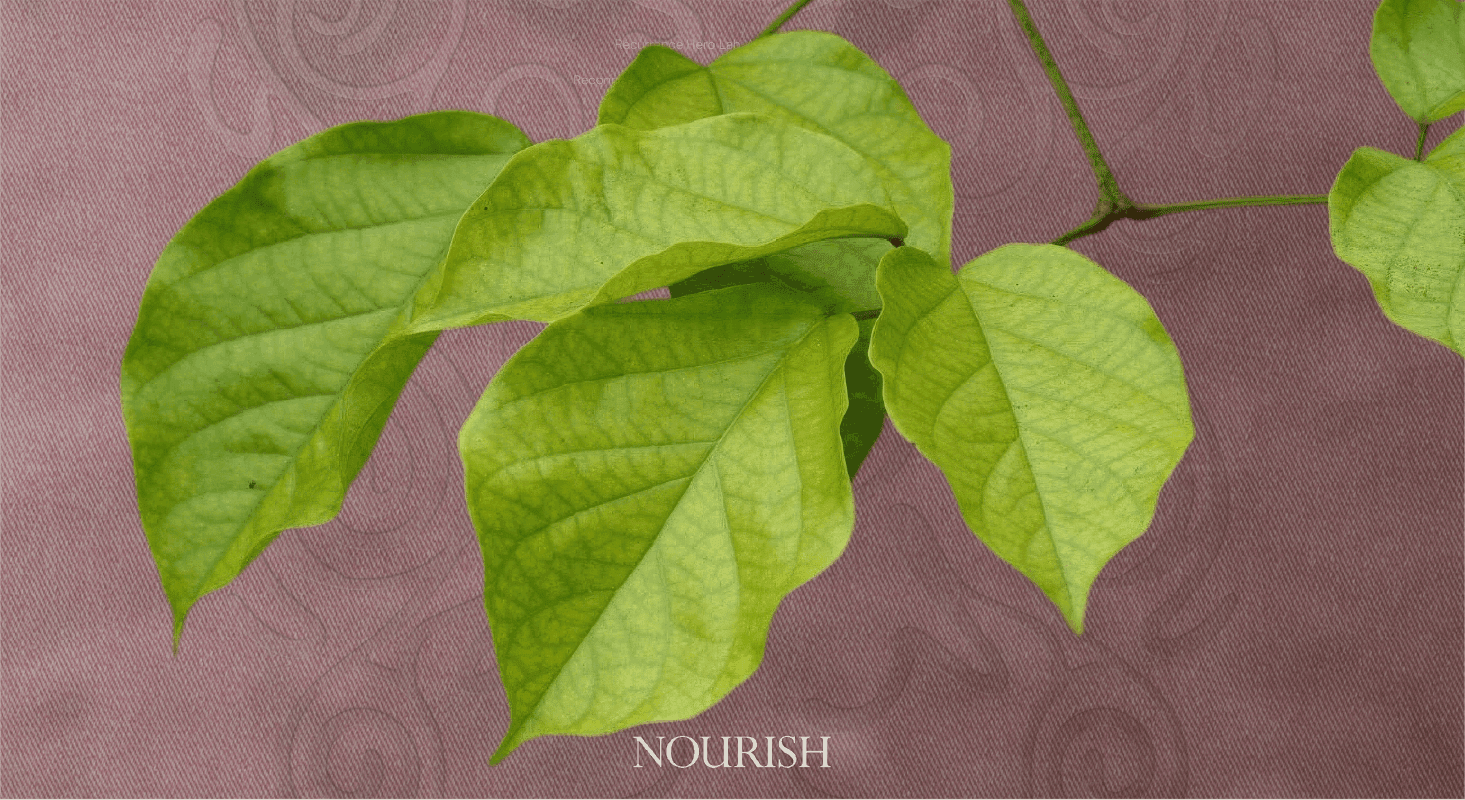
In South America's Amazon rainforest grows a vine known for its distinctive clove aroma and long history of traditional use: clavo huasca (scientific name: Tynnanthus panurensis; English name: Clavo Huasca).
Introduction: discovering the natural charm of Amazonian clavo huasca
In South America's Amazon rainforest grows a vine known for its distinctive clove aroma and long history of traditional use: clavo huasca (scientific name: Tynnanthus panurensis; English name: Clavo Huasca).
Its dried branch pieces carry centuries of Indigenous wisdom and also attract the attention of modern scientists. In local cultures, this plant is believed to enhance vitality and well-being, and is even associated with supporting sexual vitality.
If you are looking for natural herbs to enrich your quality of life, or are simply curious about the plants of the Amazon rainforest, this article will take you deeper into its secrets.
From scientific research and constituent analysis to traditional applications and practical methods of use, this article explores this rainforest treasure and offers practical suggestions for incorporating it into everyday life.
What is Amazonian clavo huasca? From the rainforest to your cup
1. A basic botanical overview
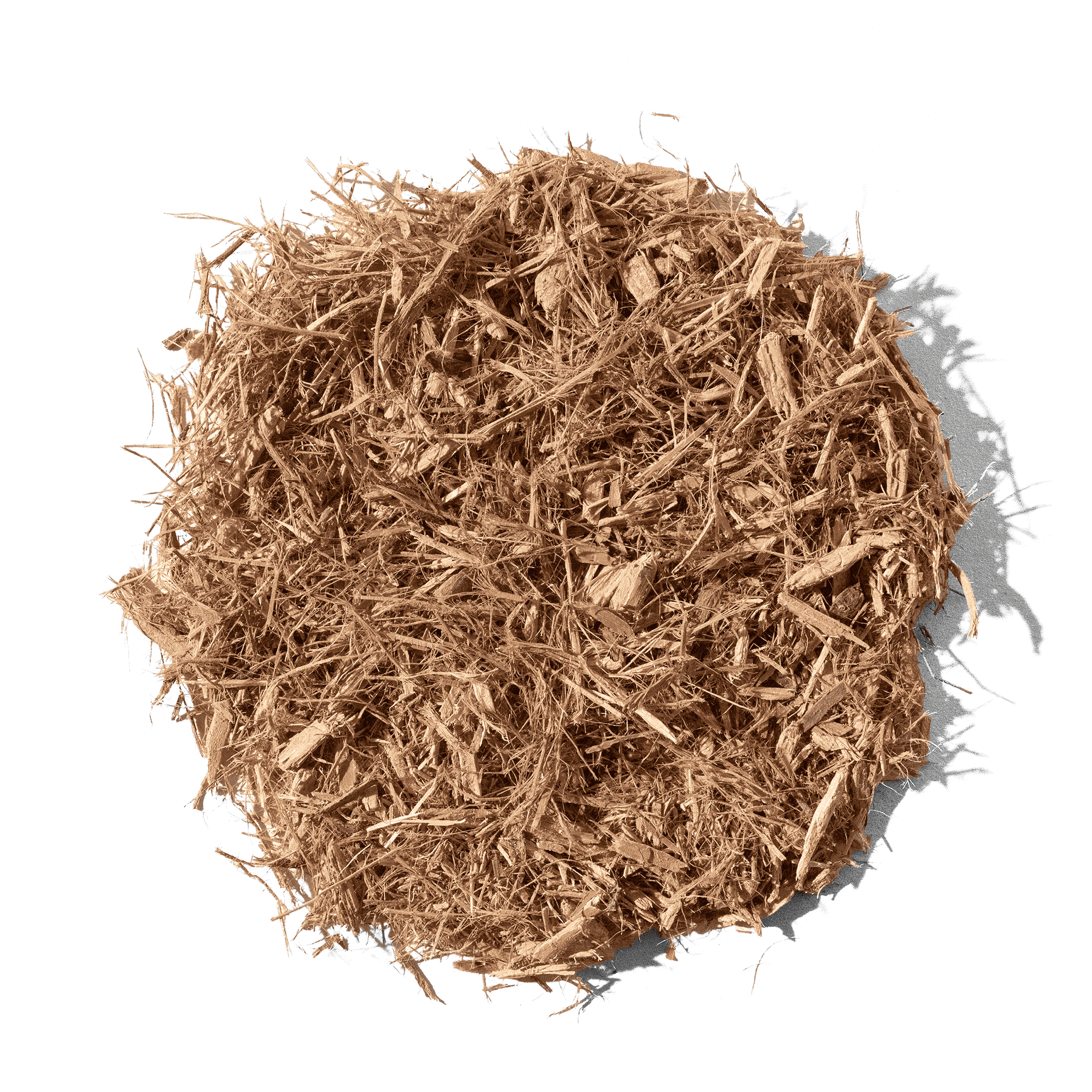
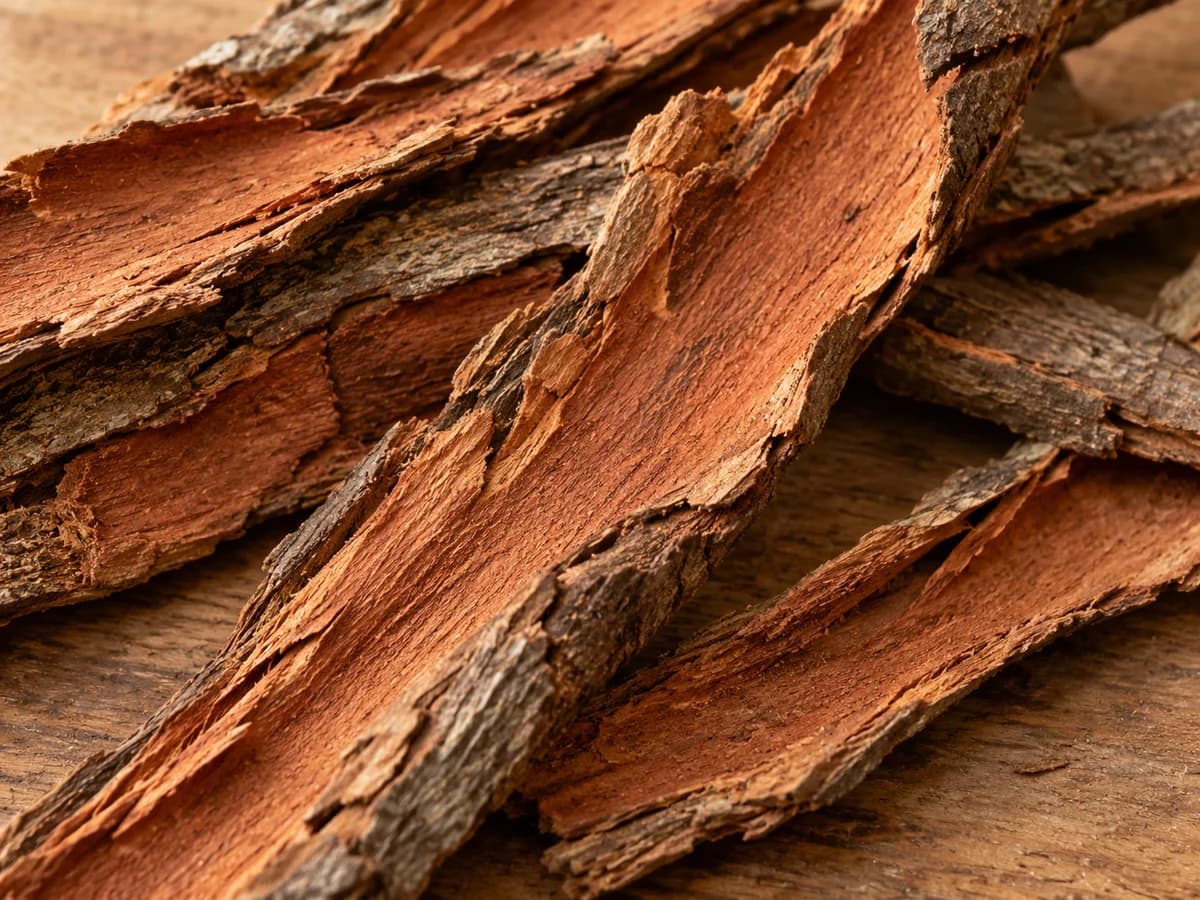
Clavo huasca is a tropical vine in the Bignoniaceae family, found mainly in Amazonian regions such as Peru, Brazil and Colombia. Its vines can grow to tens of metres in length and show a "Maltese cross" in cross-section. The dried branch pieces give off a spicy, clove-like aroma, which is why local people call it "Clavo Huasca", meaning "clove vine". This herb is appreciated for its completely natural character and is often used for tea or incense.
2. A versatile role in tradition
This plant has a history spanning hundreds of years in Amazonian Indigenous cultures and is regarded as a natural resource for physical and mental comfort. Local people use it as a nourishing tonic and for a pleasant feeling. It also features in some traditional preparations and is said to promote harmony in everyday life. However, these traditional uses come from folk experience and have not been adequately confirmed by modern science; they are provided for reference, not as a medical guarantee.
3. Its journey into the modern world
Today, advances in scientific research are gradually revealing the potential of clavo huasca branch pieces, bringing rainforest communities' wisdom to the attention of herb enthusiasts worldwide.
A scientific perspective: developments in research on clavo huasca branch pieces
1. The potential activity of alkaloids
According to the 2022 paper "In Vitro and In Silico Evaluation of Cholinesterase Inhibition by Alkaloids Obtained from Branches of Abuta panurensis Eichler" and the 2020 paper "Alkaloids of Abuta panurensis Eichler", researchers extracted various alkaloids from branch pieces and observed effects on acetylcholinesterase activity in in vitro experiments. This enzyme is involved in neurotransmitter metabolism. These findings are preliminary, and their specific effects on humans remain to be explored.
2. Phenylpropanoid glycosides and antioxidant properties
The 2005 paper "Phenylpropanoid Glycosides from Tynanthus panurensis" identified phenylpropanoid glycosides in branch pieces. In vitro research showed antioxidant properties that help protect cells from oxidative stress. The 2011 paper "Bioactive Properties of Tynanthus panurensis" further confirmed antioxidant activity of its extracts in vitro. These properties may be related to maintaining health, but further research is still needed.
3. Preliminary exploration of toxicology and safety
The 2014 study "CIPO-CRAVO Tynnanthus fasciculatus" used brine shrimp (Artemia salina) for toxicity testing and found that extracts of a related species were safe at moderate amounts, but high doses could have adverse effects. This reminds us to control the dose carefully when using it.
These studies provide a scientific basis for Amazonian clavo huasca, but as the research has not yet reached the clinical stage, it can only be considered a promising natural herb, not a substitute for medical care.
Constituent analysis: the chemical secrets of clavo huasca branch pieces
The distinctive character of clavo huasca branch pieces is closely linked to their rich natural constituents:
Regulatory statement: under the requirements of Taiwan's Ministry of Health and Welfare, the benefits of these constituents must not be exaggerated. Traditional accounts about sexual vitality are shared only as cultural information and are not a guarantee of medical effects.
- Eugenol | Eugenol: the main constituent responsible for the branch pieces' clove aroma, widely found in spices and essential oils. Traditionally, its warm scent is believed to create a sense of comfort and a relaxing atmosphere.
- Alkaloids | Alkaloids: as noted above, related research remains preliminary. Traditionally associated with nourishing and strengthening the body, their specific effects still need to be verified.
- Phenols and flavonoids | Phenols & Flavonoids: show antioxidant properties in in vitro research and may help maintain health.
- Saponins | Saponins: a type of natural compound said to offer a soothing sensation.
Traditional applications: everyday wisdom of Amazonian Indigenous peoples
In the Amazon region, clavo huasca branch pieces are an integral part of Indigenous life:
Although these traditional uses have not been comprehensively verified by modern medicine, they add to its cultural appeal.
- Supporting overall vitality and well-being: local people brew the branch pieces as tea, believing it helps balance body and mind and lift the spirits.
- Traditional support for sexual vitality: in some cultures, it is used to enhance enjoyment in intimate life, but effects vary between individuals and have not been scientifically confirmed.
- Digestive comfort: said to help maintain digestive tract function and provide a feeling of comfort.
- A natural aromatic experience: dried branch pieces are used as incense to enhance the atmosphere of a space.
How to use clavo huasca branch pieces: a practical guide
Want to incorporate this rainforest plant into your life? Here are a few simple methods:
1. Preparing clavo huasca herbal tea:
2. Scenting your surroundings:
3. Making a tincture at home (advanced):
4. Tips for use:
- Method: place 5–10 grams of dried branch pieces in 500 millilitres of hot water and steep for 10–15 minutes.
- Taste: warm and spicy; add honey if you like.
- Suggestion: start with a small dose on first use and observe your individual response.
- Method: place the branch pieces in a ventilated area, or gently burn them over a low flame for a few seconds to let the aroma release naturally.
- Effect: adds a natural scent, suitable for meditation or relaxation.
- Method: soak the branch pieces in high-strength food-grade alcohol for several weeks, then filter before use.
- Note: follow local regulations and ensure safe handling.
- Pregnant or breastfeeding women and people with chronic illnesses should consult a physician before use.
- Avoid excessive use to prevent discomfort.
Frequently asked questions about clavo huasca branch pieces
Q: What special uses does clavo huasca have in traditional cultures?
A: In traditional cultures, clavo huasca is believed to nourish and strengthen the body and is associated with enhancing enjoyment in life. However, these accounts have not been scientifically confirmed, and effects vary between individuals.
Q: Can it be used every day?
A: Moderate use, such as 5–10 grams daily for tea, is generally considered safe, but intermittent use is recommended, with attention to your individual response.
Q: Where can I buy authentic clavo huasca branch pieces?
A: Choose a reputable supplier and ensure the product comes from the Amazon region and contains no additives. For example: Recurrence Herb Lab.
Why choose Amazonian clavo huasca branch pieces?
- A completely natural source: grows in the unpolluted Amazon rainforest, without pesticide or chemical residues.
- Culture and science combined: carries Indigenous wisdom and offers research potential.
- Versatile applications: from nourishing and strengthening the body to everyday relaxation, it serves multiple purposes.
Conclusion: begin your journey with Amazonian clavo huasca
Clavo huasca (Tynnanthus panurensis) branch pieces are a natural treasure from the rainforest. From traditional uses for nourishing and strengthening the body and enhancing enjoyment in life to scientific research on its alkaloids and the antioxidant properties of certain constituents observed in vitro, it shows many possibilities. Although some traditional uses have not been adequately confirmed by modern science, its distinctive aroma and potential have made it a focus of interest for herb enthusiasts.
Want to experience its charm? Start with a cup of clavo huasca tea, or use the branch pieces to add a natural scent to your home. Share your experiences in the comments below, or subscribe to our blog to explore more secrets of natural herbs!
Keywords: Amazonian clavo huasca, Tynnanthus Panurensis, branch pieces, natural herbs, supporting vitality, clavo huasca effects, Amazonian clavo huasca tea