Explore mulungu (Erythrina mulungu), a traditional herb from the Amazon rainforest that has attracted attention for its relaxing properties and support for falling asleep at night. Learn about its traditional uses, related scientific findings and how to gently incorporate it into everyday self-care.
Mulungu: an anxiety-relieving and relaxing herb from the Amazon
Explore mulungu (Erythrina mulungu), a traditional herb from the Amazon rainforest that has attracted attention for its relaxing properties and support for falling asleep at night. Learn about its traditional uses, related scientific findings and how to gently incorporate it into everyday self-care.
What is mulungu?
Mulungu (Erythrina mulungu), sometimes called the “coral tree,” is a flowering tree native to the Amazon rainforest, found mainly in Brazil. Its bright red flowers and bark have a history of several hundred years in South American traditional practices, where they are used to support a calm mind, ease everyday tension and, traditionally, help with sleep. In recent years, its natural relaxing properties have attracted worldwide interest in herbal support for body and mind and ways to fall asleep more easily at night.
If you are looking for ways to ease everyday tension, support a good night's rest or help body and mind relax naturally, mulungu may be worth exploring. This article introduces its traditional uses, related scientific findings, possible applications and precautions to help you understand the potential of this Amazonian herb.
Traditional uses of mulungu
In Brazilian traditional herbal practices, mulungu is widely used to help stabilize emotions, particularly during stress or emotional unease. Local Indigenous people and traditional herbalists prepare its bark and flowers as teas, tinctures or decoctions. Its main uses include:
These traditional practices have led to mulungu being regarded locally as a natural option for relaxing body and mind.
- Supporting emotional balance: traditionally used to calm the mind and help maintain emotional stability under stress.
- Helping with sleep onset: its relaxing properties have led to traditional use in helping people fall asleep at night, particularly those who take longer to fall asleep or whose rest is easily interrupted.
- Supporting physical comfort: traditionally also used to relax the body and maintain a sense of physical ease.
- Traditional nervous-system support: in some regions, mulungu is traditionally used to help maintain normal nervous-system function.
Scientific research on mulungu
In recent years, scientists have conducted preliminary research on mulungu's botanical properties to explore the mechanisms behind its traditional uses. Its main constituents are tetracyclic alkaloids, such as erythravine and erythratine. Laboratory or animal studies suggest that these compounds may help maintain calm and ease emotions by modulating the GABAergic system. Key research observations include:
1. Research related to easing emotions: preliminary research suggests that mulungu has potential to reduce anxiety-related behavioral manifestations
2. Research related to relaxation and sleep support: mulungu's relaxing properties show potential for supporting nighttime rest
3. Research related to physical comfort: mulungu also shows potential for helping maintain physical comfort
4. Findings related to nervous-system function: mulungu's alkaloids inhibit nicotinic acetylcholine receptors (nAChR), according to a 2013 study, which may explain its stabilizing and calming effects. A 2007 study found that, in animal experiments, mulungu extract helped reduce specific seizure behaviors in mice, relating to its traditional use in supporting nervous-system health.
Although these findings are encouraging, most studies remain laboratory experiments or small animal trials. More large-scale clinical research is needed to better understand its effects and develop more appropriate usage guidance.
- 2014 human trial: under the conditions of a clinical study, 500 milligrams of mulungu extract helped reduce feelings of unease in patients undergoing wisdom-tooth extraction. Different results were observed compared with placebo, with fewer adverse reactions observed.
- 2000 and 2007 animal experiments: elevated plus-maze and light–dark box tests showed that mulungu extract and its alkaloid erythravine helped increase exploratory behavior in mice and rats, with related emotion-easing effects observed.
- 2024 study: an investigation of traditional Brazilian sleep-support applications found, in animal experiments, that mulungu extract helped shorten the time mice took to enter a resting state and extend its duration. Related effects similar to certain relaxing constituents were observed.
- Small human trials: reports indicate that some users felt their sleep quality improved after taking mulungu tea or tincture. This may make it a natural option for supporting a good night's sleep.
- 2002 study: in animal experiments, mulungu's hydroalcoholic extract helped reduce behavioral responses to internal discomfort and inflammation in mice. This may occur partly through effects on the opioid and GABA systems.
- 2014 study: animal-model experiments further supported its properties related to physical comfort, showing reductions in specific physiological responses associated with its traditional use in maintaining physical comfort.
How to use mulungu gently
Mulungu is available in several forms, including tea, tinctures, capsules and extracts. The following suggestions explain how to incorporate it gently into everyday self-care:
Mulungu tea
Tinctures
Capsules
Herbal combinations
Mulungu is often blended with other relaxing herbs, such as passionflower or chamomile. A 2024 study observed that such combinations could enhance sleep-supporting effects, particularly suited to office workers or students in Taiwan who need to ease everyday tension.
A gentle reminder
Start with a low dose and observe your body's response. If you take certain prescription medicines, consult a doctor or pharmacist to avoid possible interaction risks.
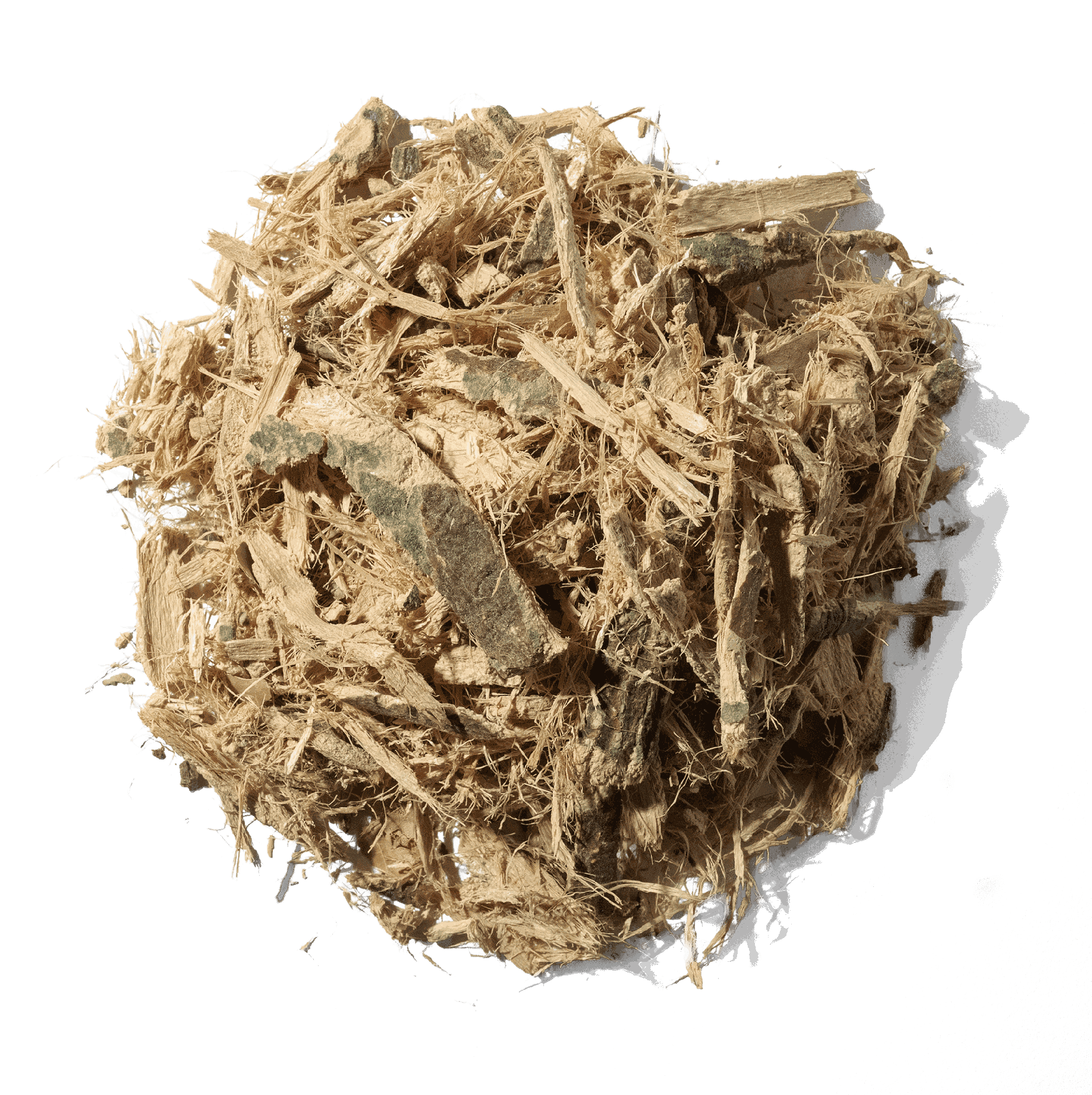
- Preparation: add 1–2 teaspoons of dried mulungu bark to 1 cup of boiling water, steep for 10–15 minutes, strain and drink.
- Suggested timing and amount: 1–2 cups daily, preferably in the evening to relax body and mind or support falling asleep at night.
- Taste: slightly bitter; honey or lemon can improve the flavor.
- Dose: follow the product instructions; typically add 5–10 drops to water, 1–2 times daily.
- Advantages: tinctures are concentrated and easy to dose, making them convenient for busy people to carry.
- Dose: 500–1000 milligrams daily, following the product instructions.
- Advantages: convenient for people who dislike the taste of tea or tinctures.
Precautions for using mulungu
At recommended doses, mulungu is generally considered suitable for general use, but the following points require attention:
Buy mulungu from reputable suppliers, such as Recurrence Herb Lab, to ensure its origin and quality. Before starting use, seek professional medical advice, especially if you have a chronic condition or take medication long term.
- Possible side effects: high doses may cause temporary drowsiness, mild gastrointestinal discomfort or a feeling of muscle relaxation. A 2015 toxicity study observed a slight increase in liver enzymes in rats fed an experimental dose of 2000 milligrams/kilogram.
- Pregnancy and breastfeeding: a 2015 study observed slightly lower fetal body weight in pregnant rats fed an experimental dose of 600 milligrams/kilogram. Pregnant or breastfeeding women should avoid use or use cautiously under medical guidance.
- Drug interactions: mulungu may affect the effects of certain medicines. Consult your doctor or pharmacist before use.
- Allergic reactions: although rare, skin redness or rapid breathing may occur. Stop use immediately and seek medical help.
Mulungu and balance of body and mind: how are they related?
Although mulungu is mainly known for its traditional use in relaxation and calming the mind, many people may also be curious about its potential contribution to overall balance of body and mind.
No direct research currently confirms that mulungu directly affects specific physiological functions. Its relaxing properties may, however, offer indirect benefits:
- Helping stabilize emotions: everyday tension may affect physical and mental well-being. Mulungu's emotion-easing effects may help create a more relaxed state of body and mind, potentially benefiting people living at Taiwan's fast pace.
- Supporting a good night's rest: sufficient sleep is associated with maintaining overall health. Mulungu's support for relaxation and sleep onset may indirectly help the body maintain normal functions.
Precautions
High doses may cause excessive relaxation and affect mental focus. Use in moderation to avoid interference with activities requiring alertness.
Until further research explores these areas, mulungu's main interest remains its calming properties for body and mind, which may bring a more relaxed feeling to everyday life. To support overall physical and mental well-being, combine it with a healthy lifestyle, such as regular exercise and a balanced diet.
Ready to explore mulungu's relaxing potential? Begin with a trustworthy supplier, follow the usage guidance and consider combining it with meditation, yoga or other wellness practices that suit you for better support of body-and-mind balance. This Amazonian herb may become a natural aid for easing stress in a busy life.