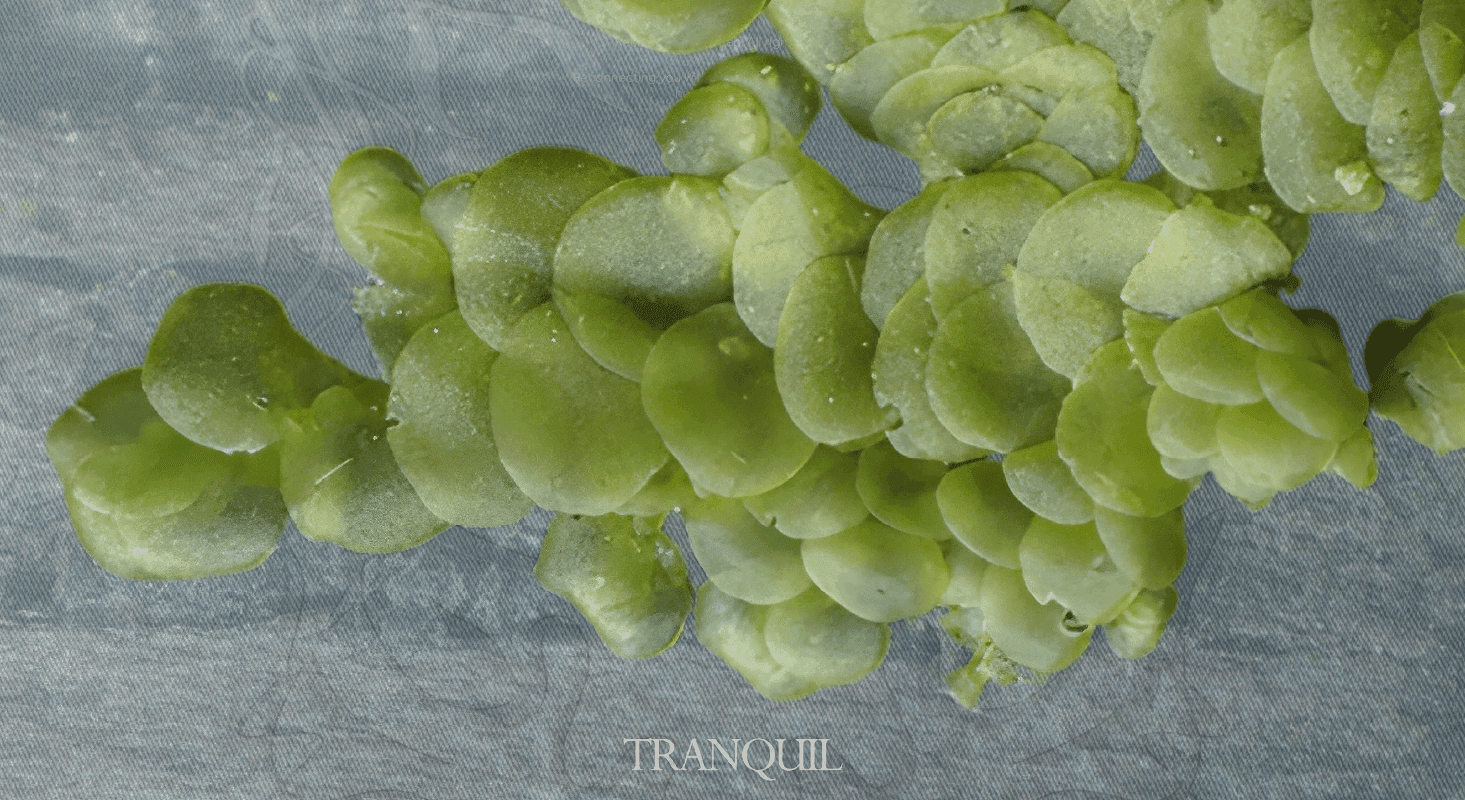
It is a small bryophyte belonging to the Radulaceae family, found mainly in the Māori region of Rotorua, New Zealand, and in the Australian state of Tasmania.
Māori liverwort, Radula Marginata, is called Wairuakohu in Māori;
It is a small bryophyte belonging to the Radulaceae family, found mainly in the Māori region of Rotorua, New Zealand, and in the Australian state of Tasmania.
The plant has attracted academic interest because of its distinctive plant compounds (PET, PTD).
History and traditional applications
Māori liverwort has long held a place in the traditional culture of local Māori communities. Ethnobotanical accounts describe its use to help maintain everyday physical comfort and, traditionally, to help bring a sense of calm to body and mind. These traditional applications are particularly suited to moments when maintaining physical and mental balance is needed.
Scientific research: what makes Māori liverwort so distinctive?
PET? What is PET?
According to research published in Science Advances in 2018 (DOI: 10.1126/sciadv.aat2166), PET can bind to CB1 and CB2 receptors in the human body, but its properties are milder, and it may have potential to support healthy bodily functions. This makes PET a popular subject in research on herbal functions.
Perrottetinene Diol (PTD)? What makes PTD distinctive?
Besides PET, scientists have recently found that Māori liverwort, Wairuakohu Radula Marginata, also contains Perrottetinene Diol (PTD), which may support healthy bodily functions, balance and metabolic regulation.
Other secondary metabolites
Research has also found that Māori liverwort, Wairuakohu Radula Marginata, contains Prenyl Bibenzyls compounds, which may have antioxidant properties. The Oil Bodies within its leaves may also be the main storage sites for active compounds.
Potential effects explored in related research
Researchers have carried out exploratory studies on the plant’s characteristics. The following are some observations from non-human experiments:
- Laboratory observations related to resisting oxidation: in laboratory studies, some extracts showed an ability to help reduce oxidation reactions, which may be associated with supporting cellular health.
- Preliminary findings in animal experiments: animal experiments observed that Māori liverwort may affect certain physiological responses in healthy animals. These findings are still preliminary and should not be extrapolated to humans.
- Preliminary in vitro findings: laboratory studies of in vitro digestion observed that certain plant compounds remained relatively stable under specific conditions. These findings may relate to the compounds’ properties.
Advantages and applications of 50-fold concentrated powder
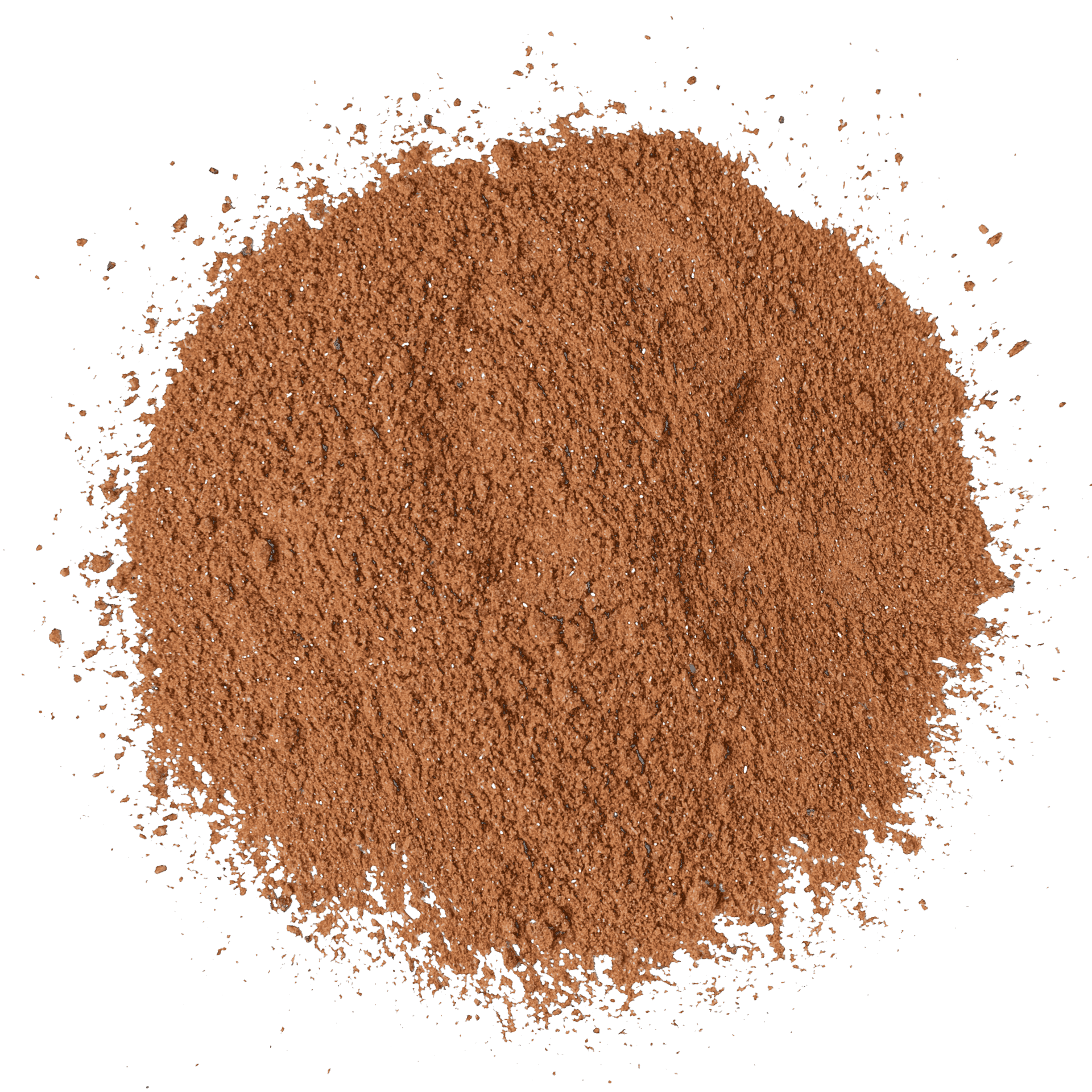
Our concentrated Māori liverwort powder uses a specific low-temperature extraction technique to extract plant compounds, followed by concentration. Compared with traditional dried herbs, this form is more convenient for everyday use.
Possible applications include:
- Maintaining physical and mental balance: traditional use and preliminary exploratory research suggest that its compounds may help support a stable physical and mental state.
- Maintaining a good daily routine: Māori communities traditionally used it to help regulate resting habits and support a good daily routine.
- Maintaining physical comfort: exploratory research suggests that its compounds may have mild related properties.
- Maintaining a healthy metabolism: some compounds may help resist oxidation, which relates to supporting healthy bodily functions.
How to use concentrated Māori liverwort, Wairuakohu Radula Marginata, powder?
Brewing tea: add 2-4 g of powder to hot water, let it stand for 5-10 minutes, then drink.
Adding to food: add a small amount to drinks or soups for herbal nutrition.
Conclusion: Māori liverwort, Wairuakohu Radula Marginata, is a potential option for future herbal applications
Māori liverwort, Wairuakohu (Radula marginata), carries the traditional wisdom of New Zealand’s Māori culture and incorporates preliminary explorations from modern science. As a potential herbal choice for maintaining health and supporting physical and mental balance, its concentrated powder offers a convenient way to use it.
Remember that understanding the background and potential effects of any new supplement is an important step before choosing it. As with traditional uses, scientific research continues to explore the potential of these natural plant compounds.