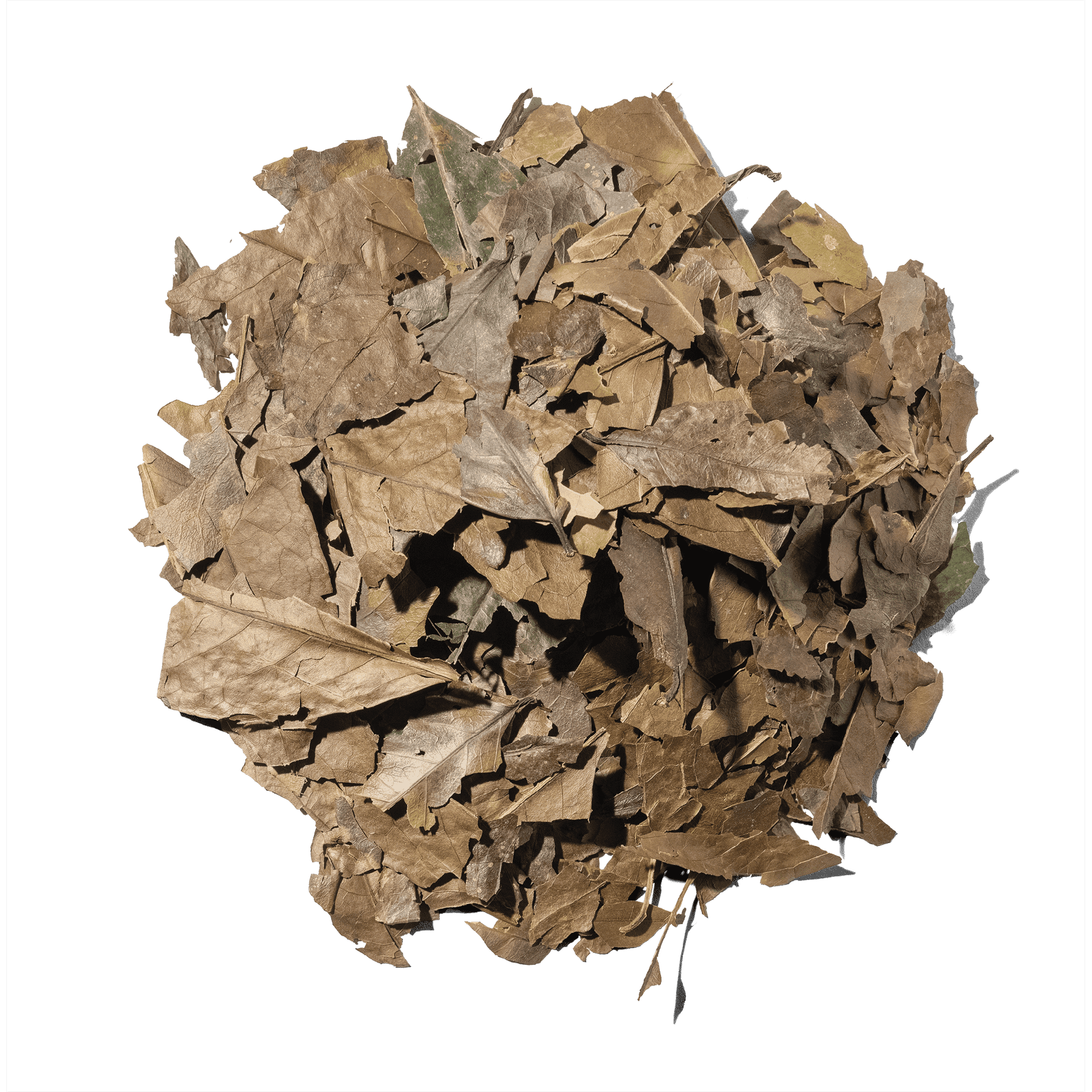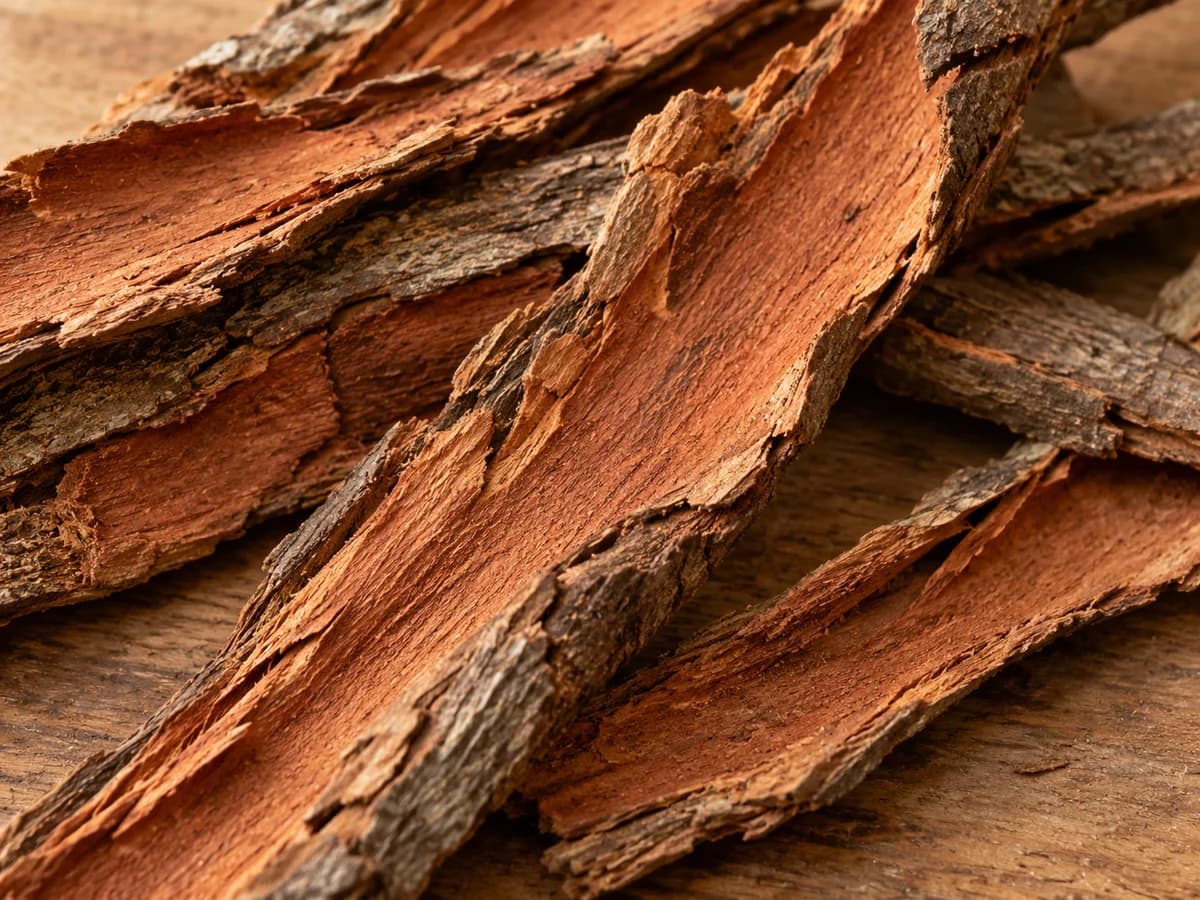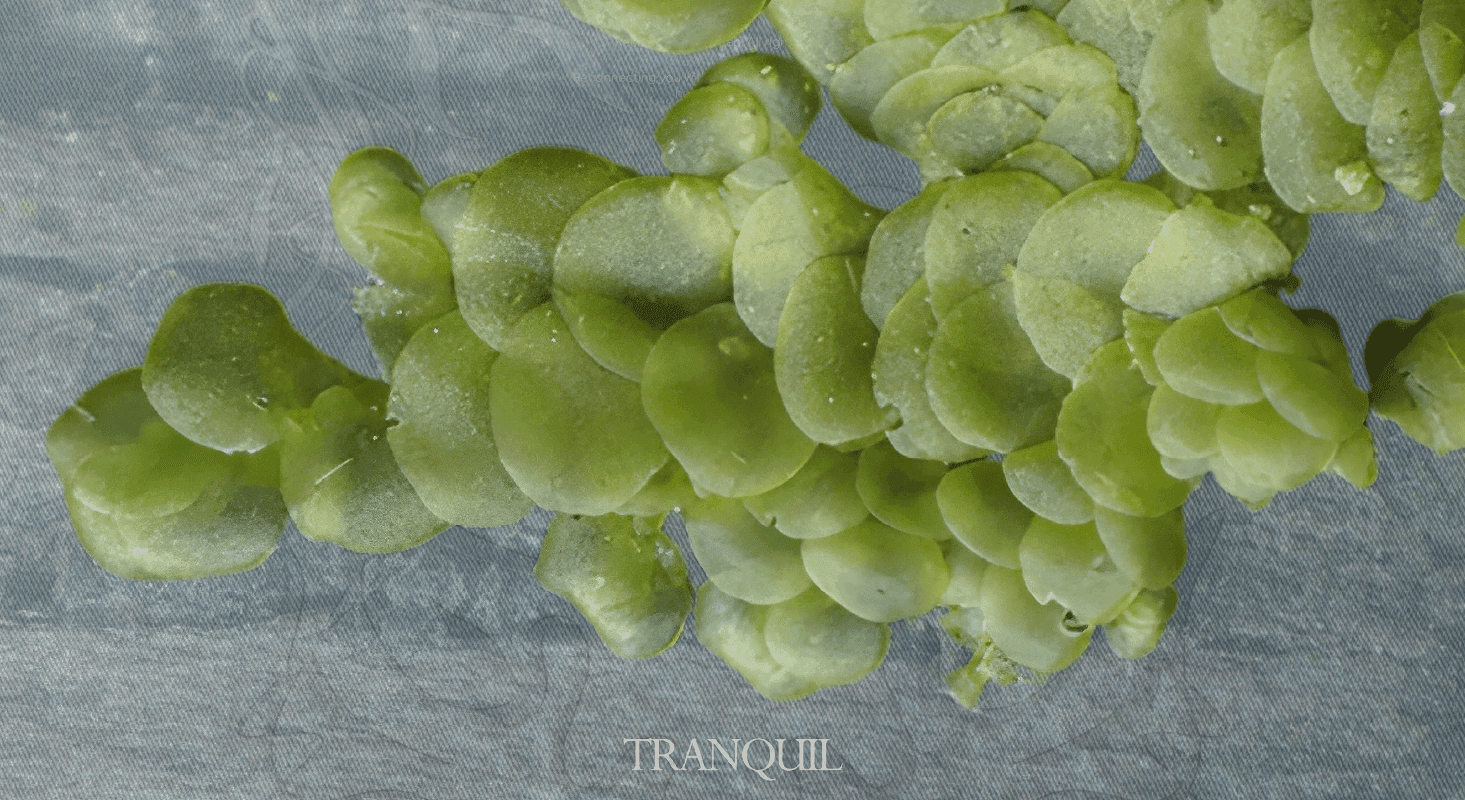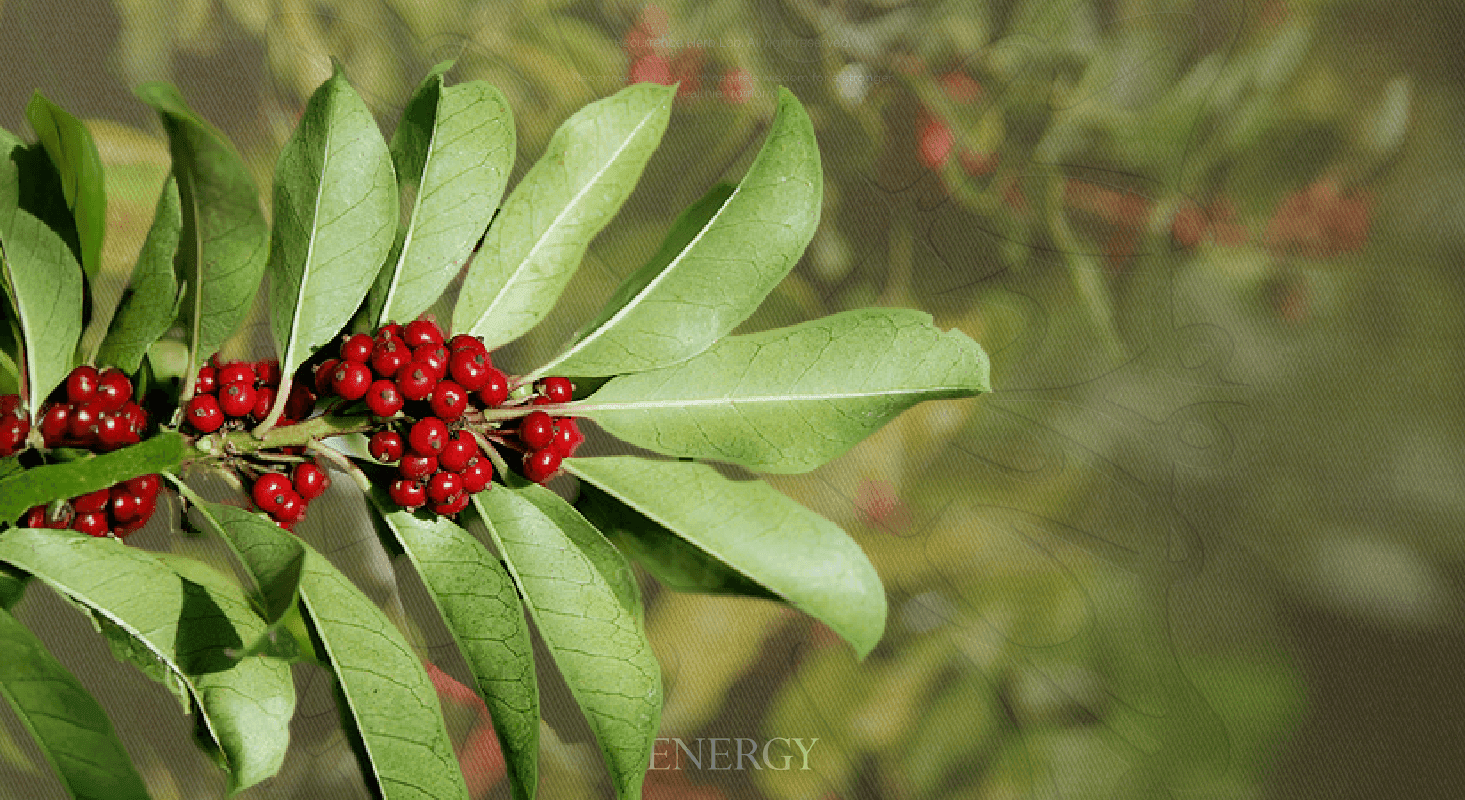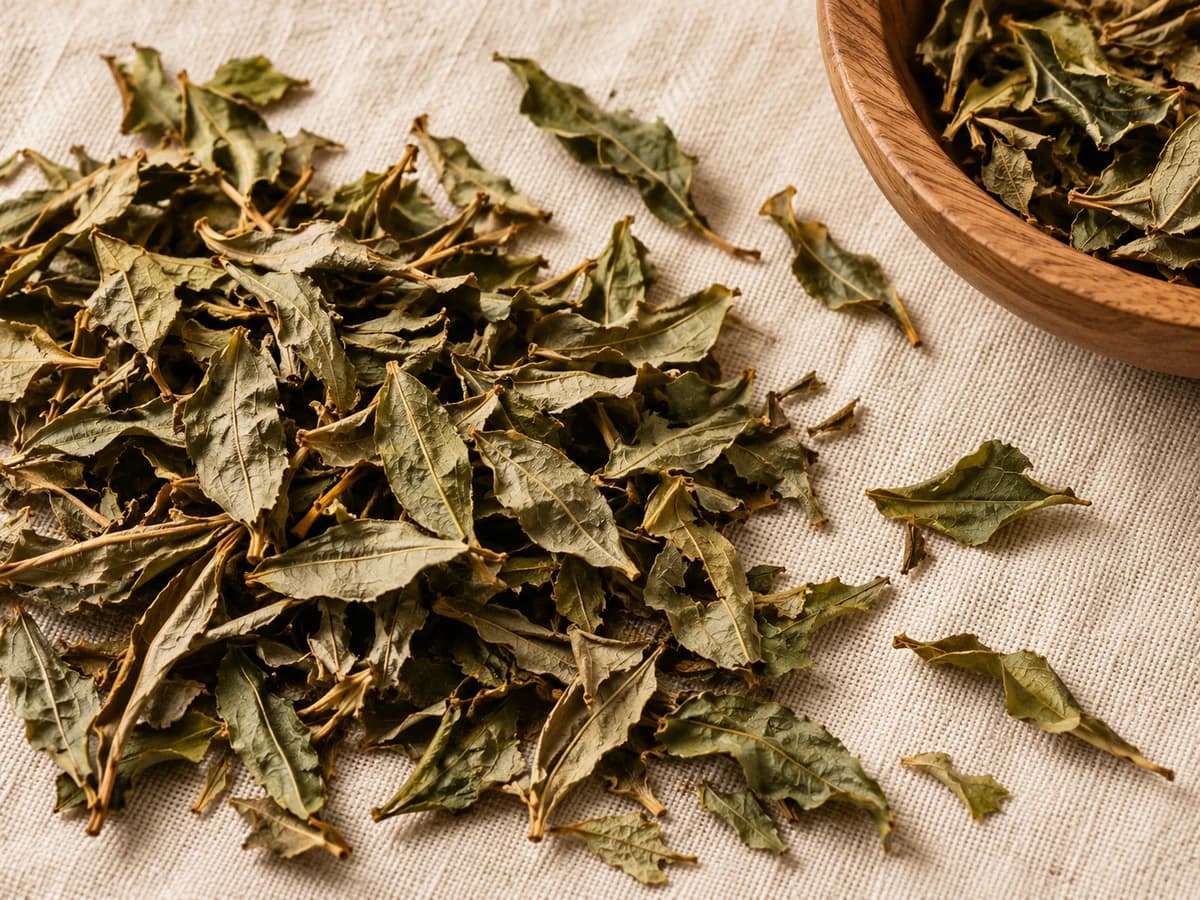
Amazonian holly (Ilex guayusa), also known as guayusa, is a plant in the holly family native to the Amazon rainforest, found mainly in Ecuador, Peru and Colombia. For centuries, Indigenous Amazonian peoples, particularly Kichwa communities, have brewed its leaves into tea, traditionally using it to promote alertness, support everyday vitality and strengthen community ties.
Botanical Characteristics
Guayusa (Ilex guayusa Loes.) belongs to the holly family and is closely related to yerba mate (Ilex paraguariensis). This evergreen tree grows in the understory of the Amazon rainforest, can reach 6–30 metres in height and is adapted to humid, shaded environments. Its dark green, glossy, elliptical leaves are the main ingredient in guayusa tea. Research describes guayusa as a shade-tolerant plant that grows best under particular light conditions (References 12, 16), making it suitable for Amazonian agroforestry systems.
Traditional Uses and Cultural Significance
Guayusa has a history of more than 1500 years in Amazonian culture and is particularly valued in Kichwa communities in Ecuador's Napo province. At dawn, community members gather to drink guayusa, share stories, prepare for hunting or use it in the traditional belief that it helps maintain alertness. Sociocultural research notes that, alongside its traditional role in promoting alertness, the tea has been used within traditional healing systems to help maintain everyday health (References 5, 14). Harvesting and drying follow skills passed down through generations, with the aim of preserving the flavour and characteristics traditionally considered desirable.
Main Constituents
Guayusa contains a variety of plant constituents that may contribute to its distinctive characteristics:
Caffeine: It makes up 2–4% of dry weight, comparable to coffee, and can provide a source of stimulation to support alertness (Reference 2).
Phenolic compounds: These include chlorogenic acid and flavonoids, which have shown antioxidant properties in relevant research (References 7, 18).
Triterpenes: Preliminary laboratory studies suggest possible activity that may help counter certain external substances (Reference 9).
Carotenoids: Relevant research indicates antioxidant properties that may be associated with supporting cellular health (Reference 18).
A comparative study found relatively higher levels of phenolics and carotenoids in guayusa than in many of the herbal teas examined in that study, making it an option for everyday drinking (Reference 3).
Potential Benefits Explored in Research
Scientific studies have investigated the potential effects of guayusa. Some of the observations are outlined below:
Antioxidant activity: Highly polar extracts have shown an ability to reduce oxidative stress in laboratory studies, which may be associated with supporting cellular health (References 11, 17, 18).
Support for physiological functions in healthy animals: Animal studies suggest that guayusa may help maintain blood glucose levels and neurological regulation in healthy rats. These findings remain under investigation and should not be extrapolated directly to humans (Reference 1).
Laboratory findings related to oral health: Extracts have shown inhibitory effects against Staphylococcus aureus biofilms and periodontal bacteria in laboratory settings. These findings may be relevant to the future development of oral health products (References 6, 20).
Safety investigations: Toxicological studies found no significant toxicity from guayusa concentrates under specific experimental conditions. Moderate consumption is recommended for general food use (Reference 10).
In vitro digestion studies also observed that guayusa's phenolic constituents remained relatively stable in gastrointestinal conditions. These findings may be relevant to their potential absorption (Reference 7).
How to Brew Guayusa Tea
Guayusa tea is straightforward to prepare. Here are the basic steps:
Ingredients: Dried guayusa leaves (approximately 1–2 teaspoons per cup) and hot water (80–90°C).
Brewing: Place the leaves in a teapot or cup, add hot water and steep for 5–7 minutes.
Flavouring (optional): Add honey or lemon if desired. Drinking it plain lets you experience its natural aroma more fully.
Tip: Avoid boiling water (100°C), which may affect the tea's flavour or the properties of some constituents.
Possible Modern Applications
Guayusa is gradually becoming known around the world as a natural beverage option. Its caffeine content may contribute to alertness, and some drinkers appreciate what they perceive as a relatively steady stimulating effect. Relevant regulatory authorities have approved its use as a food ingredient in the form of dried leaves for tea, expanding its commercial potential (Reference 8).
Green processing technologies, such as supercritical antisolvent encapsulation, may help concentrate particular constituents and adjust caffeine content. These technologies are being explored for food and related product development (Reference 17).
Guayusa also offers potential directions for dental applications: its extracts have shown relatively low toxicity to dental pulp stem cells in laboratory tests. These findings may be relevant to future oral health product development (Reference 19).
Cultivation and Sustainability
Guayusa is grown mainly in Amazonian agroforestry systems, an approach that helps promote biodiversity and sustainability. Agronomic research in Ecuador's Quininde region has identified cultivation conditions suited to the local environment, while vegetative propagation techniques may improve production efficiency (References 4, 15). Its environmental adaptability makes it a possible crop option for smallholder livelihoods.
Frequently Asked Questions
Q: Can drinking guayusa tea cause discomfort?
A: As with many caffeinated drinks, excessive consumption may cause temporary discomfort, such as difficulty sleeping or palpitations. Moderate consumption is recommended (Reference 10). If you are sensitive to caffeine or have a specific health condition, consult a physician or pharmacist before use.
Q: Where can I buy guayusa tea?
A: Guayusa is available from some health food shops, online retailers and suppliers in the Amazon region. Choose clearly labelled products from reliable sources, such as Recurrence Herb Lab.
Q: Who might consider guayusa as an everyday beverage?
A: Guayusa is one option for people seeking greater alertness, those who enjoy the flavour of tea or anyone interested in Amazonian culture.
Challenges and Future Research
Promoting guayusa requires a balance between protecting traditional knowledge and preserving the environment. Future research could focus on:
- Investigating the mechanisms of action of its particular constituents.
- Standardising processing methods to ensure product quality.
- Conducting human clinical trials to better understand its potential effects on people.
Conclusion
Guayusa (Ilex guayusa) combines a distinctive flavour, caffeine and particular plant constituents in a beverage with cultural significance. Its long Amazonian tradition and exploration in modern science make it an option for those interested in everyday vitality and natural beverages.
Explore guayusa tea and experience the herbal traditions of the Amazon!
Would you like to try guayusa tea? Explore our products at Recurrence Herb Lab!