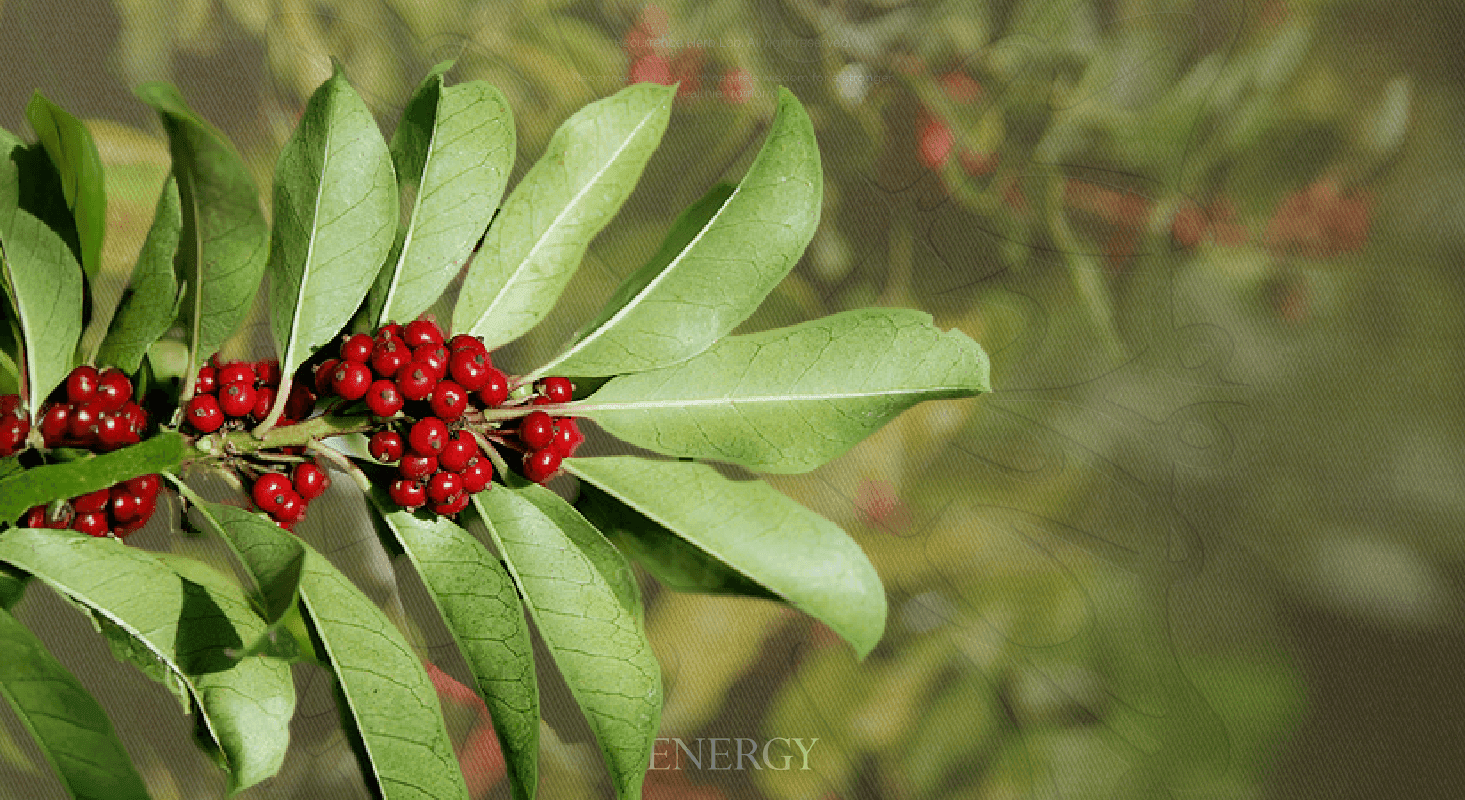
Yerba maté (Yerba Maté) comes from the Paraguayan holly (Ilex paraguariensis), an evergreen tree native to Argentina, Brazil, Paraguay and Uruguay in South America. It thrives in the region’s humid subtropical forests, and its leaves are rich in caffeine, polyphenols, saponins and vitamins, making it an important herbal drink.
Botanical introduction: the origins and characteristics of yerba maté
Yerba maté (Yerba Maté) comes from the Paraguayan holly (Ilex paraguariensis), an evergreen tree native to Argentina, Brazil, Paraguay and Uruguay in South America. It thrives in the region’s humid subtropical forests, and its leaves are rich in caffeine, polyphenols, saponins and vitamins, making it an important herbal drink.
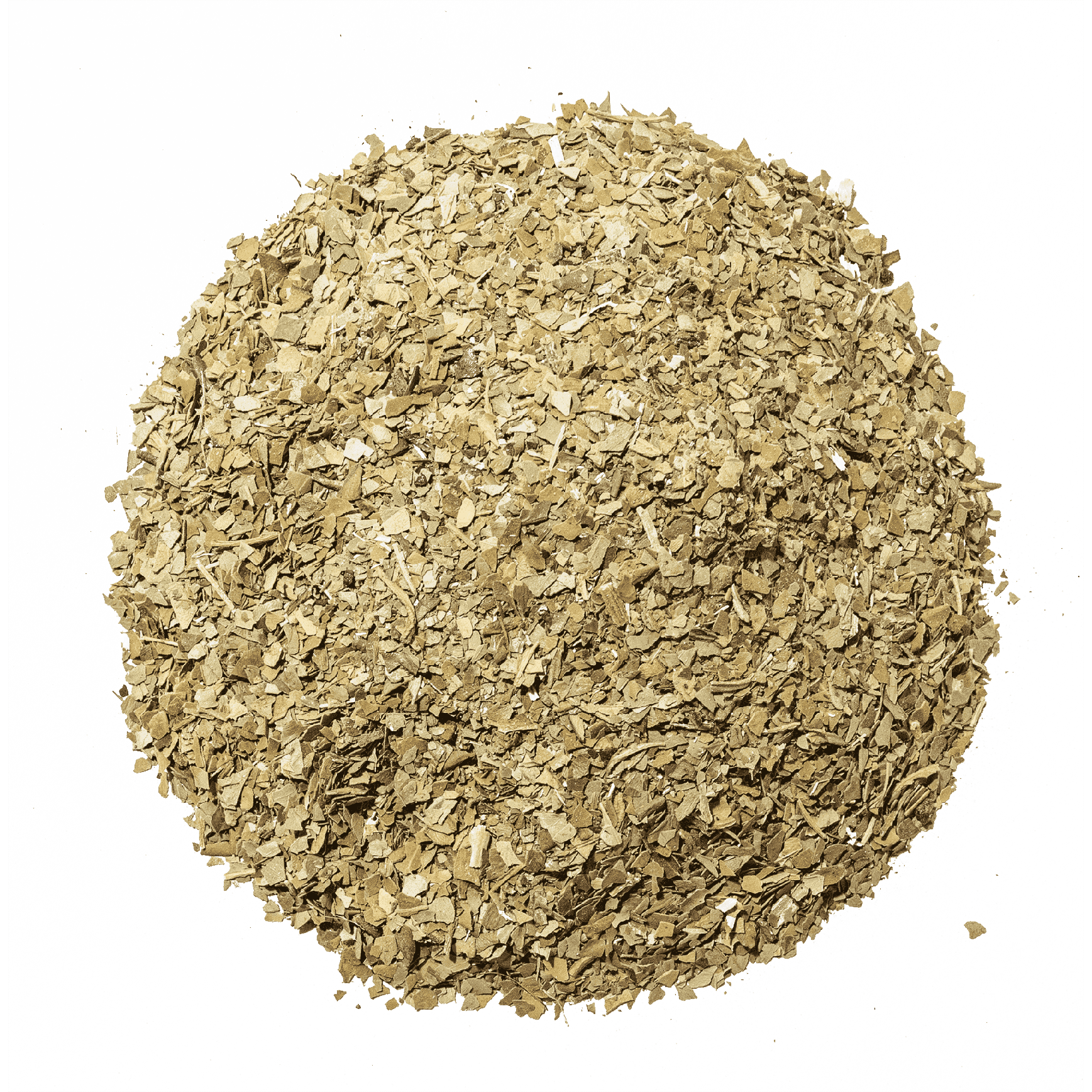
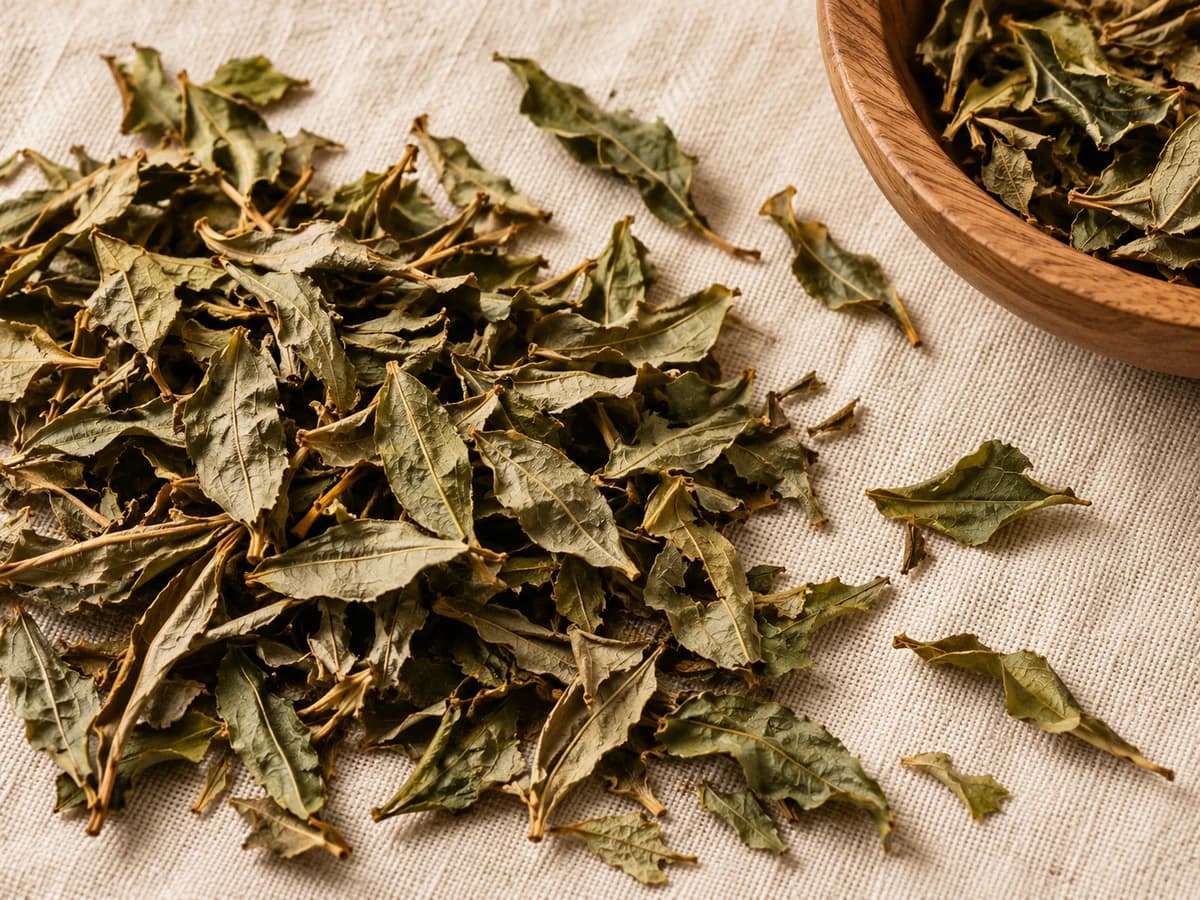
The leaves are harvested, dried and fermented to produce traditional yerba maté leaves (Yerba Maté), commonly used to brew drinks. Their herbal aroma and smoky flavour make this drink highly representative of South American culture.
History and traditional use
The history of yerba maté dates back to the Guarani and Tupi Indigenous peoples of South America. They regarded it as a sacred tree and have long used it as an everyday drink to maintain vitality and concentration. In South America, it is usually drunk from a mate gourd through a metal filtering straw (bombilla), creating a culture of shared tea drinking that symbolises sociability and solidarity.
Active compounds and scientific research
- Caffeine (Caffeine): contains a moderate amount of caffeine, which can help maintain vitality and concentration.
- Polyphenols (Polyphenols): contains chlorogenic acid (Chlorogenic acid) and flavonoids (Flavonoids), which can provide antioxidant support and help maintain health.
- Saponins (Saponins): have a naturally bitter taste and may support the body’s regulatory capacity.
- Vitamins and minerals: contains B vitamins, potassium, magnesium and zinc, helping maintain bodily functions.
Health benefits and research support
- Maintaining normal metabolic function
- Providing antioxidant support
- Supporting exercise condition
- Maintaining nervous system health
How to brew and use yerba maté
Traditional brewing: use a mate gourd and metal straw, add warm water at 70-80°C, and let it stand for 30 seconds.
Modern brewing: place 1-2 teaspoons of yerba maté in a teapot, add warm water at 80°C, and steep for 3-5 minutes.
Precautions and side effects
- The recommended daily amount of caffeine should not exceed 300-500 mg.
- Avoid drinking on an empty stomach to reduce stomach irritation.
- People who are pregnant or have high blood pressure should consult a doctor.
Conclusion: the distinctive appeal of yerba maté, Paraguayan holly — Yerba Maté, Ilex paraguariensis
Yerba maté (Yerba Maté) is more than a drink steeped in South American culture; it is also a herbal choice rich in various nutrients. Its potential benefits for metabolism, antioxidant activity, concentration and exercise performance have made it popular among health enthusiasts worldwide.
Whether brewed in a traditional mate gourd or using modern tea-making methods, yerba maté can bring gentle stimulation and nutritional supplementation to everyday life. If you are interested, explore further information and experience this precious herb from nature!