Hawaiian Baby Woodrose (Argyreia nervosa) seeds attract attention for their many natural chemical constituents and potential health benefits. However, some users may experience stomach discomfort and other reactions after consuming them, making appropriate methods of use and scientific support particularly important. This article introduces the seeds' background, suggested use and supporting research, and describes effective food pairings for easing discomfort.
Seed adulteration
- Common adulteration: Some market samples contain seeds from other plants with a similar appearance, such as Rivea hypocrateriformis or other members of the morning glory family. Although they look alike, their constituents and effects differ substantially.
- Reasons for adulteration: Primarily lower costs or inadequate supply. Adulterated products often have inconsistent constituents and may pose safety risks.
Identification by physical appearance
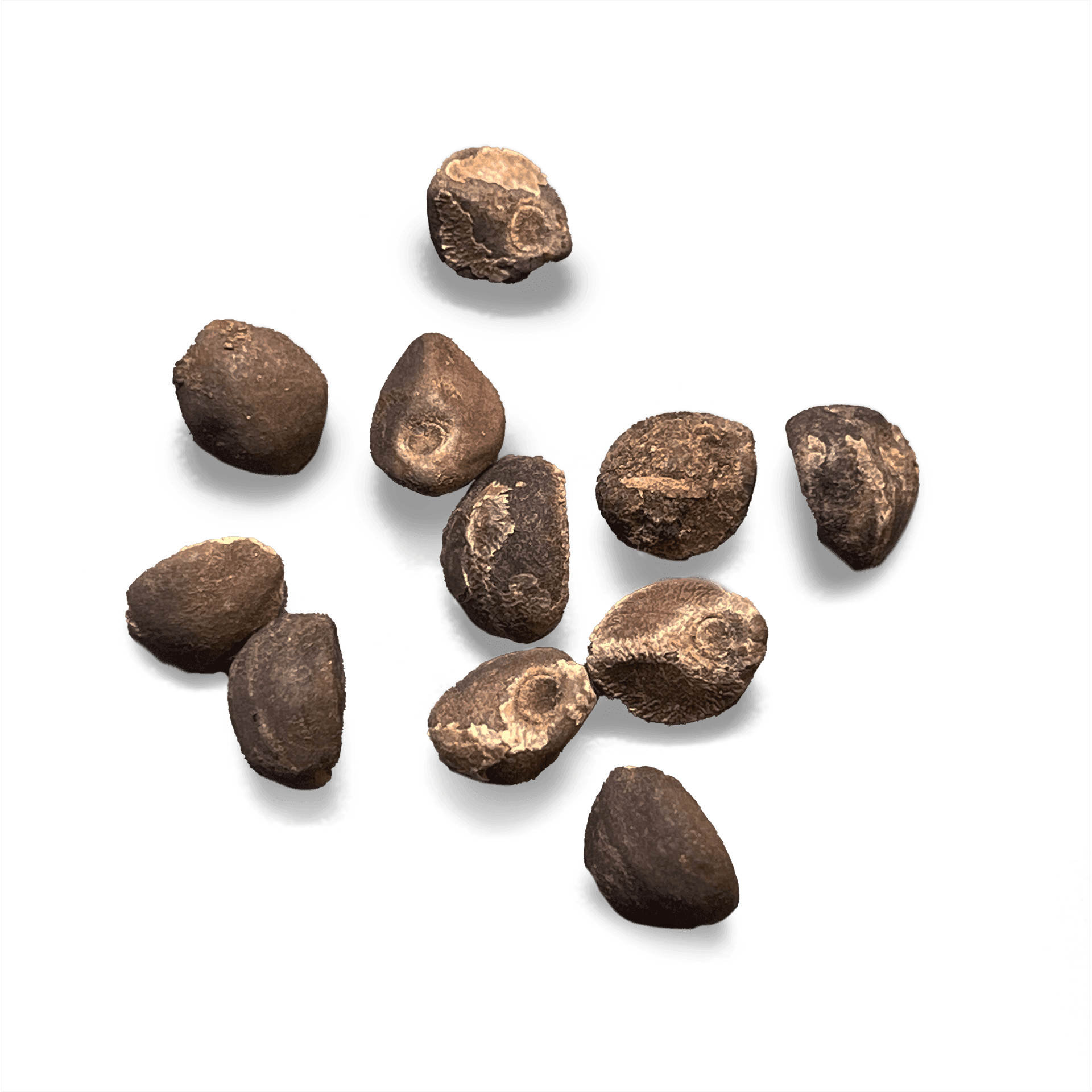
Characteristics of genuine seeds:
Characteristics of adulterating seeds:
- Appearance: Dark brown to black, with a smooth surface.
- Size: Approximately 6–8 millimetres in diameter.
- Texture: Hard but not easily broken.
- Appearance: Lighter or uneven colour, possibly reddish-brown or pale brown.
- Size: Noticeably smaller than genuine seeds, approximately 3–5 millimetres in diameter.
Chemical analysis
HPLC (high-performance liquid chromatography):
Spectroscopic analysis:
- Genuine seeds contain higher levels of particular compounds, such as certain steroidal glycosides and natural plant polyphenols.
- Adulterating seeds may lack these marker compounds.
- IR (infrared spectroscopy) or UV (ultraviolet spectroscopy) can detect the seeds' chemical fingerprints to distinguish genuine seeds from substitutes quickly.
DNA barcoding
- The DNA characteristics of genuine seeds can be identified quickly by comparing gene sequences.
- ITS (internal transcribed spacer) or the rbcL gene is commonly used for plant classification and identification.
Recommendations
- Source of purchase: Choose reputable suppliers whose products are tested and clearly labelled.
- Testing equipment: If facilities permit, simple spectroscopic or chemical analyses can be performed.
- Visual inspection: Carefully compare seed size, colour and texture before buying.
Health support
- Mental health: Research indicates that the chemical constituents of Hawaiian Baby Woodrose seeds may help regulate emotional balance and mental health, reducing the effects of stress.
- Physical regulation: May support the normal functioning of the nervous system and digestion.
- Antioxidant and anti-inflammatory properties: Polyphenols and other chemical constituents in the seeds help reduce free-radical damage and promote cellular health.
Traditional uses
- In traditional herbalism, these seeds are used to support physical relaxation and mental calm and to assist digestive system function.
Suggested dosage
- First use: 1–3 seeds, gradually increasing while observing individual reactions.
- General use: 4–8 seeds is a common range.
- High doses: Exercise caution with 10 or more seeds; use under professional guidance is recommended.
Methods of use
- Drink after grinding: Grind the seeds and mix them with juice or another liquid to drink.
- Use at intervals: Avoid frequent use; intervals of 1–2 weeks are suggested to allow the body to adjust.
Common symptoms
- Nausea: Reported by approximately 34.5% of users.
- Vomiting: Occurs in 24.1% of users, especially at high doses.
- Abdominal pain: Moderate abdominal pain is mentioned in 3.4% of cases.
- Vomiting blood: Only 3.4% of cases are associated with extremely high doses.
Dose-dependent reactions
- Low doses (1–3 seeds): Usually do not cause significant discomfort.
- Moderate doses (4–8 seeds): Some users may experience mild stomach discomfort.
- High doses (16 or more seeds): The risk of nausea and vomiting increases substantially, and medical intervention may be needed.
Recommended foods
- Acidic juices, such as lemon or orange juice: Promote digestion and ease the burden on the stomach.
- High-sugar juices, such as grape juice: Replenish energy quickly and reduce fatigue.
- Plant-based milk, such as soy or almond milk: Gently protects the stomach lining.
- Yogurt: Reduces irritation from stomach acid and promotes gastrointestinal health.
- High-fibre foods, such as oats or wholemeal biscuits: Help adsorb active compounds and reduce gastrointestinal irritation.
Suggested pairings
- Grape juice + oats: Suitable for a first try and helps soothe the stomach.
- Soy milk + wholemeal biscuits: A gentle combination that effectively reduces nausea.
- Apple juice + yogurt: Combines sweet and tart flavours for a better digestive experience.