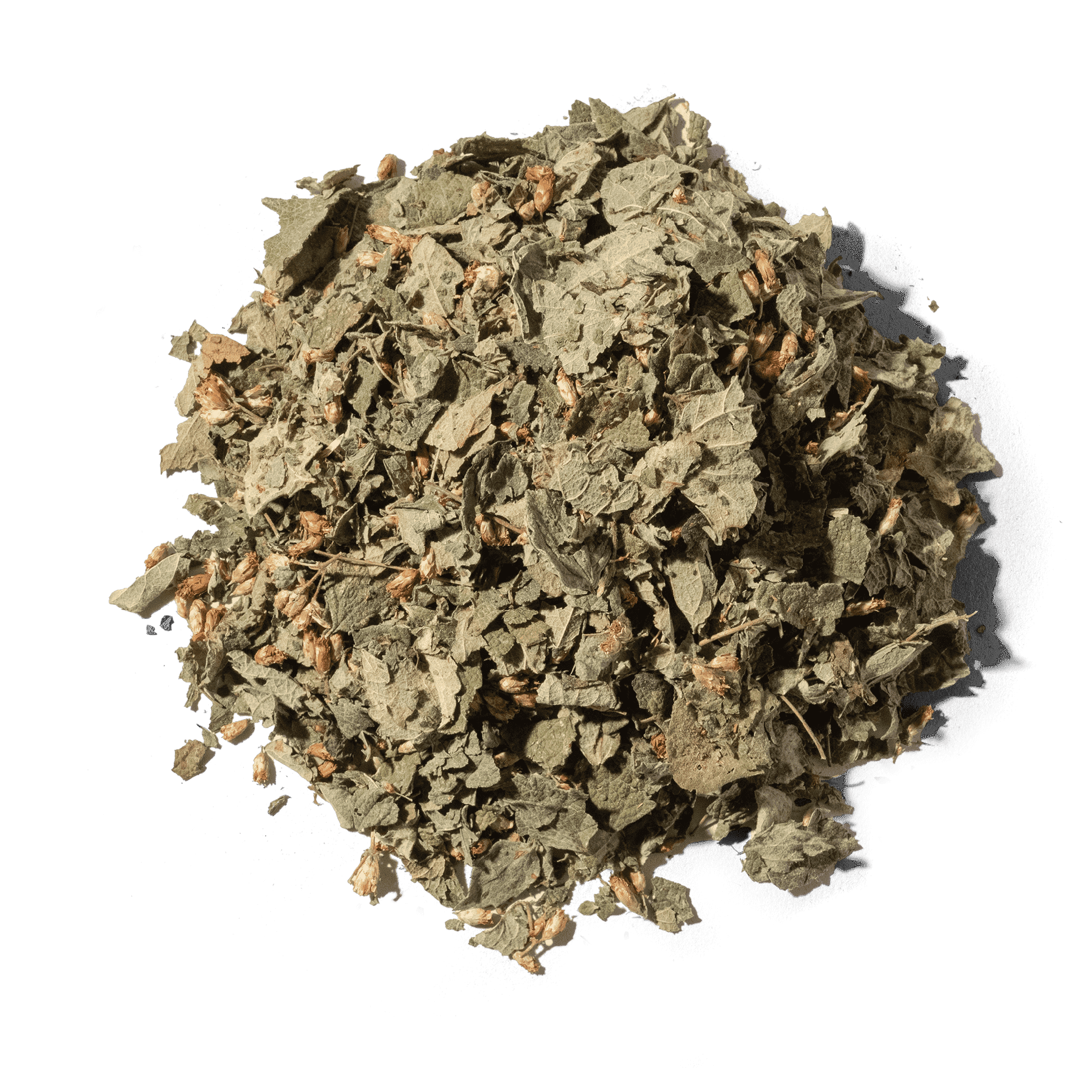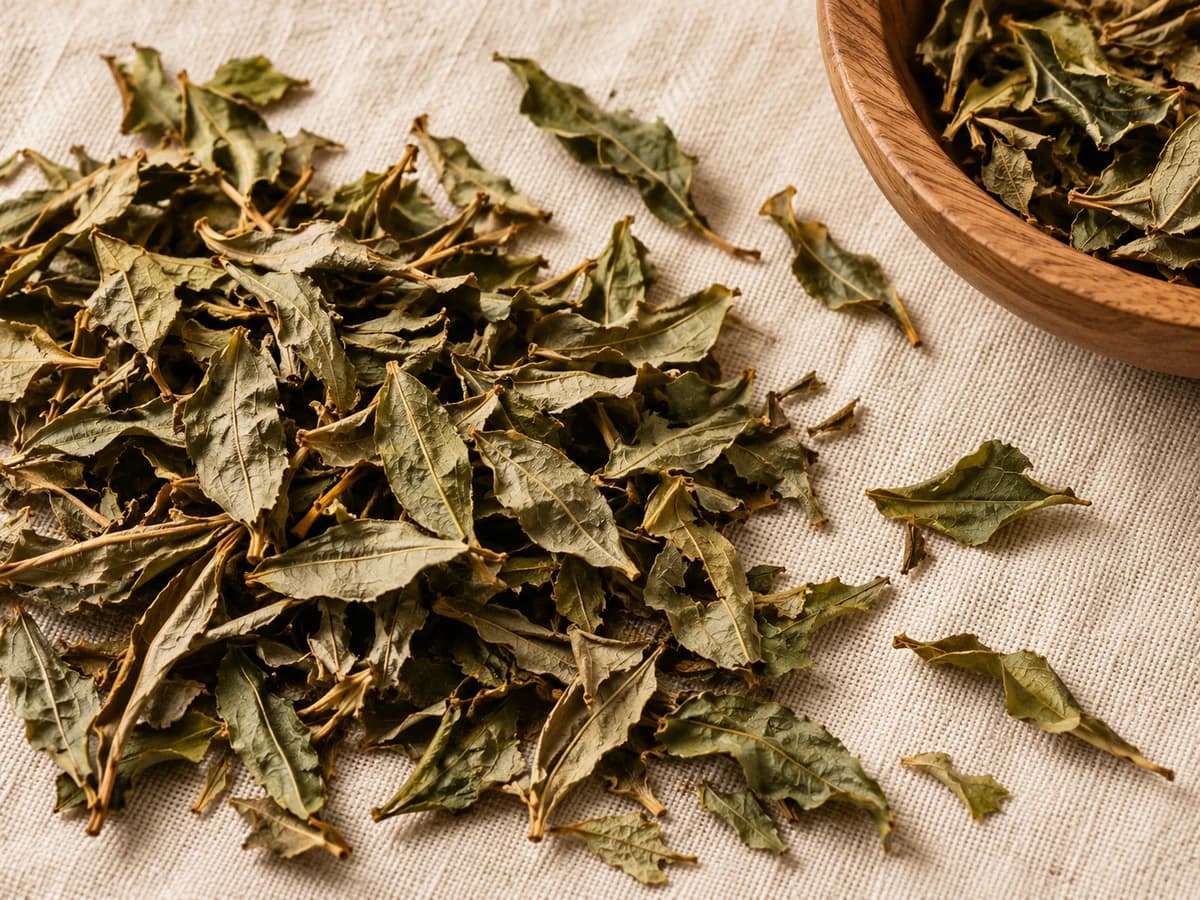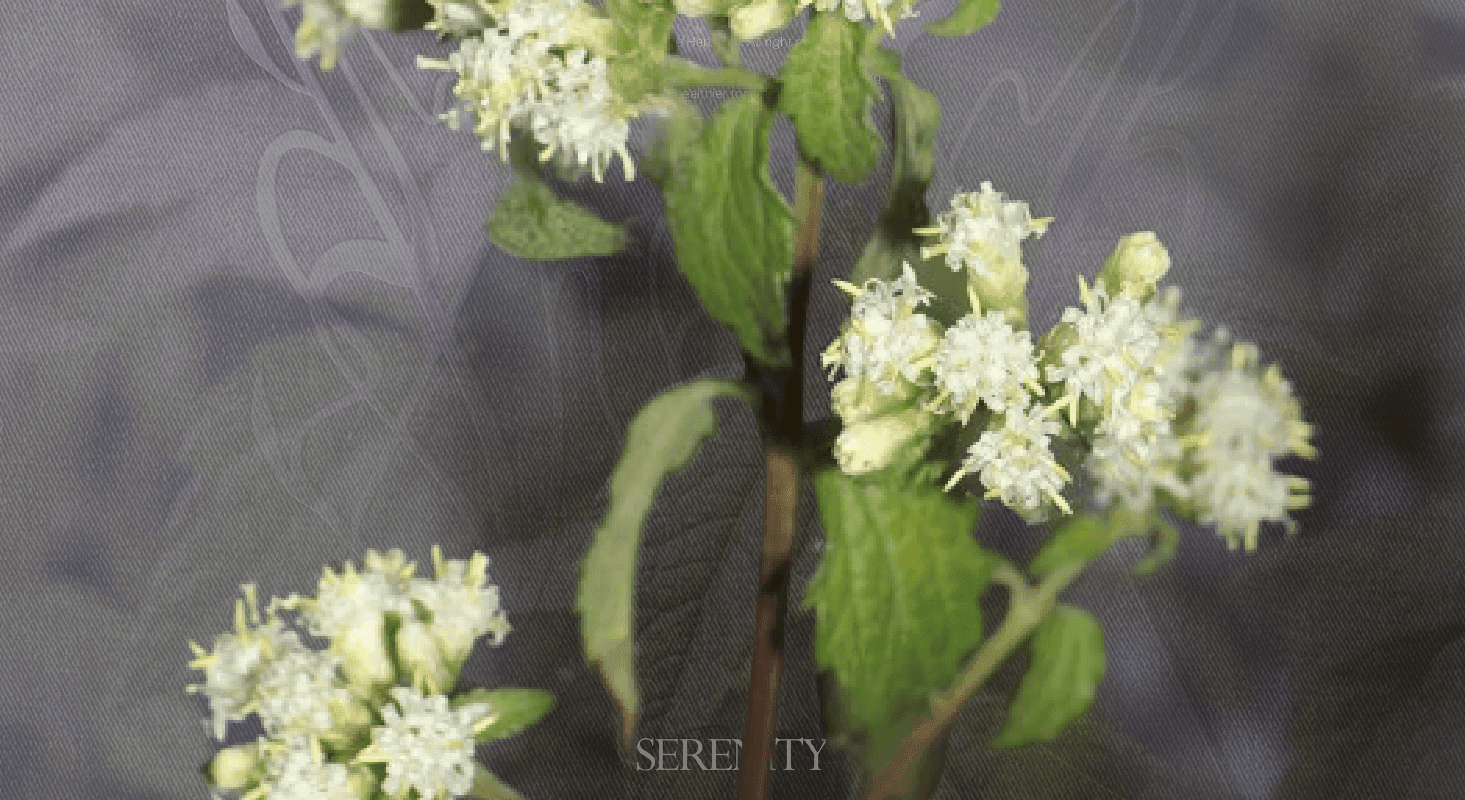
Mexican dream herb (scientific name: Calea zacatechichi), also called “Dream Herb,” is a plant in the daisy family that grows in Mexico and Central America.
What Is Mexican Dream Herb?
Mexican dream herb (scientific name: Calea zacatechichi), also called “Dream Herb,” is a plant in the daisy family that grows in Mexico and Central America.
Historically, shamans of Mexico’s Chontal people used this herb to enhance dream experiences as part of divination and spiritual rituals. Traditional uses include tea, hand-rolled smoking blends and incense, intended to help dreamers achieve clearer dreams and potentially interpret messages from the subconscious.
Modern science has studied dream herb’s plant constituents and mechanisms of action in depth, finding multiple plant compounds that may influence sleep patterns, relaxation and psychological regulation. Although dream herb has a wide range of applications, it should still be used cautiously and obtained from reliable sources.
Plant Constituents of Dream Herb
Research has identified the following main plant compounds in Mexican dream herb, which may influence its herbal characteristics:
Together, these constituents give dream herb its distinctive aromatic scent and make it a subject of interest among herb enthusiasts.
- Chlorogenic acid: Found in many plants and considered to have antioxidant properties and a role in maintaining plant stability.
- Rutin: A natural flavonoid found widely in herbs, with good stability characteristics.
- Sesquiterpene lactones — calein A and calein C (Germacranolides): Common in the daisy family and associated with plant adaptation and protective mechanisms.
- Acacetin: Research indicates that this type of flavonoid occurs in many natural plants, and its value in herbal applications for depression has attracted attention.
Traditional and Modern Applications of Dream Herb
Findings on anxiety and depression: A study by Mossoba and colleagues in 2016 showed
Effects on dreams and sleep: A study by Speth and colleagues in 2013 demonstrated through linguistic analysis
Support from neuropharmacological research: A study by Cruz-Aguilar (2020) indicates that dream herb may affect activity in specific brain regions associated with sleep-cycle regulation.
- Low doses of dream herb extract (0.5–50 mg/kg) showed significant anti-anxiety and antidepressant effects in mice and rats, with effects comparable to commonly used medications.
- A high dose (100 mg/kg) showed mild sedative effects and significantly increased slow-wave sleep (SWS). Besides showing efficacy similar to conventional medications, an even more striking finding was fewer side effects compared with conventional medications.
- After using dream herb, dreamers’ activity during rapid eye movement (REM) sleep increases, with an increase in high-frequency brain waves at 31–50 Hz; dreams become more immersive and clearer.
- The study also suggested that dream herb may contribute to the generation of hypnagogic hallucinations and the presentation of subconscious information.
How Is Mexican Dream Herb Used?
- Tea: Add 3–5 grams of dried leaves to hot water, steep for 10 minutes, then drink. Suitable for use before sleep.
- Hand-rolled smoking blends: Crush dried leaves and place them in rolling papers to provide a faster dream-inducing effect.
- Tincture: Soak dream herb in alcohol to make a tincture; take a few drops as needed, either directly or mixed with water.
Suggestions and Precautions
The effects of Mexican dream herb may vary from person to person. Starting with a low dose and observing your individual response is recommended.
A paper by Speth and colleagues in 2013 emphasized that dream herb’s effects were more pronounced when used in low-dose hand-rolled smoking blends, while high-dose tea or tinctures might be less consistent than low doses.
In addition, people with kidney disease or those taking other medications should use it under professional guidance.
Our Mexican dream herb products include dried leaves and blends with organic, natural, nicotine-free smoking herbs. All come from high-quality sources and are properly handled for a range of uses. Join us in exploring this remarkable plant from an ancient culture and embark on a journey through dreams!
Closing Thoughts
Mexican dream herb is a plant with a cultural history and herbal characteristics. Whether brewed as tea, made into hand-rolled herbal smoking blends or used as aromatic incense material, it offers different experiences. Choose reliable products and use moderate amounts according to your needs for the best experience.