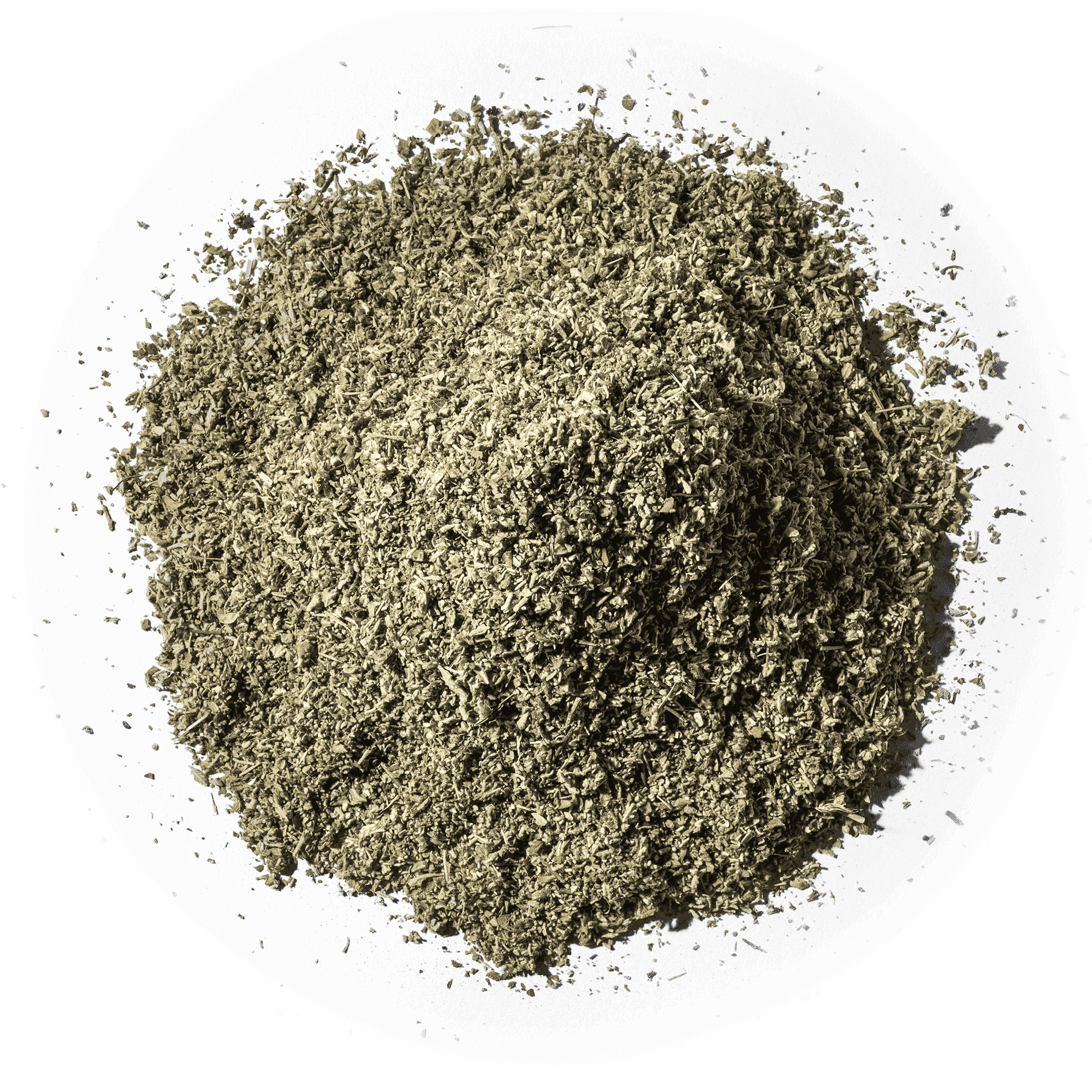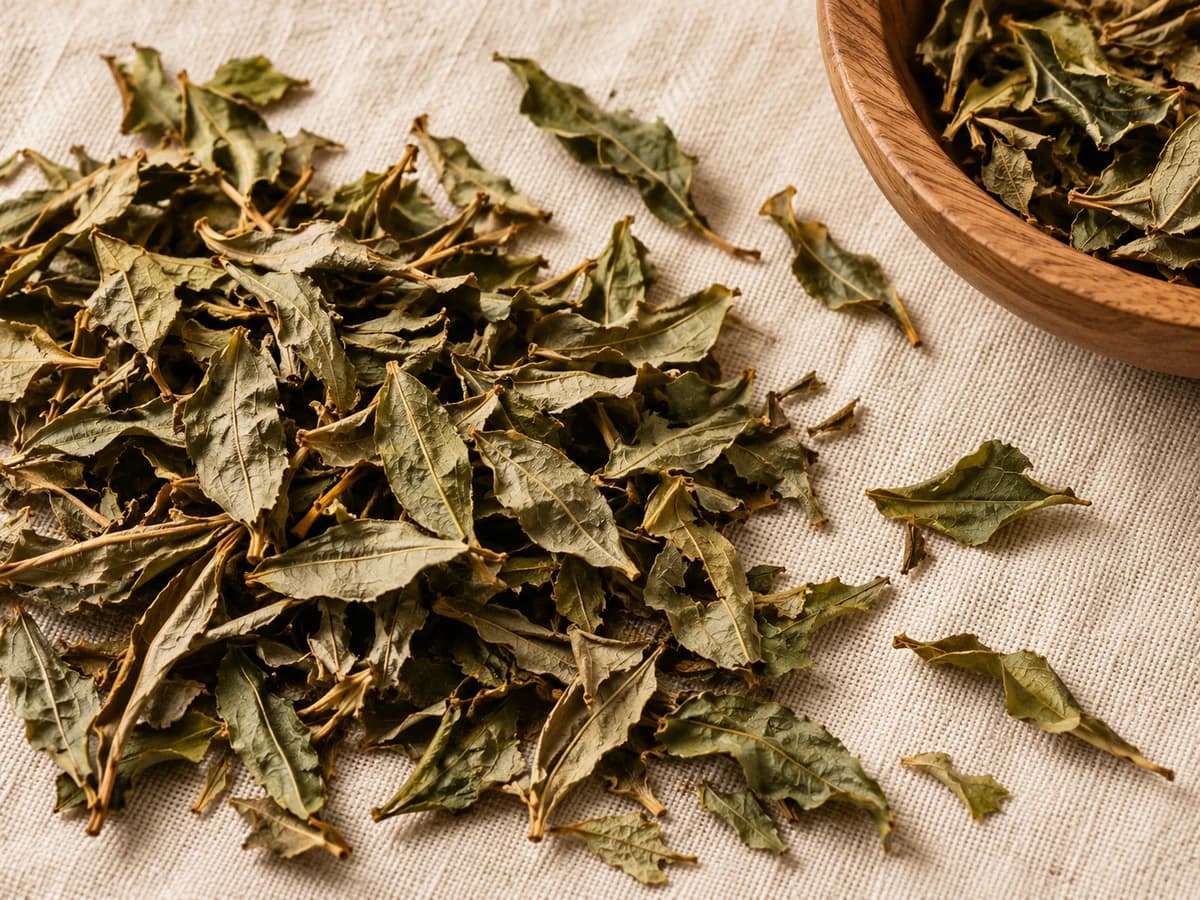
Damiana leaf (scientific name: Turnera Diffusa), commonly known as Damiana, comes from a small shrub mainly found in Mexico, Central America and parts of South America. Indigenous peoples have long used this plant for health care, and its potential medicinal value has attracted the attention of modern scientists.
What is damiana leaf?
Damiana leaf (scientific name: Turnera Diffusa), commonly known as Damiana, comes from a small shrub mainly found in Mexico, Central America and parts of South America. Indigenous peoples have long used this plant for health care, and its potential medicinal value has attracted the attention of modern scientists.
What are the main effects of damiana leaf?
Modern scientific research and traditional folk experience both indicate that damiana leaf (Turnera Diffusa or Damiana) may offer the following health benefits:
- Emotional stability and anxiety relief: Damiana leaf is rich in flavonoids (Flavonoids) and aromatic substances, such as atropine (Arbutin), caffeine (Caffeine) and other phenolic compounds. Research suggests these constituents may have mild anti-anxiety and adaptogenic (Adaptogenic) effects, helping relieve stress, anxiety and mood fluctuations. 【Szewczyk et al., 2014】
- Sexual health and vitality support: Damiana leaf has long been regarded as a natural aphrodisiac (Aphrodisiac). Some research has confirmed that its extracts can help restore sexual function impaired by excessive fatigue. 【Estrada-Reyes et al., 2009】 Animal studies show that damiana leaf can significantly shorten recovery time after ejaculation and increase the frequency of sexual behaviour in animals, possibly due to its flavonoid and caffeine constituents.
- Gastrointestinal health and digestive support: The bitter substances and essential oil constituents of damiana leaf may help promote digestion, soothe gastrointestinal discomfort and regulate the balance of the intestinal microbiota. 【Szewczyk et al., 2014】
- Antimicrobial and antioxidant effects: Multiple studies have confirmed significant antimicrobial activity in methanol and aqueous extracts of damiana leaf, inhibiting the growth of various Gram-positive and Gram-negative bacteria. 【In Vitro Antimicrobial Activity, 2018】 Its antioxidant properties may also help reduce oxidative stress, with potential benefits for cardiovascular health and cellular protection. 【Szewczyk et al., 2014】
- Anti-inflammatory and liver-protective effects: The flavonoids and phenolic compounds in damiana leaf have anti-inflammatory and liver-protective effects that can help alleviate chronic inflammatory responses and protect liver cells. 【Development of a Hepatoprotective Herbal Drug, 2018】
How is damiana leaf used?
Damiana leaf (Turnera Diffusa or Damiana) can be used in various ways, allowing you to choose a method suited to your needs:
- Hand-rolled herbal cigarettes: Damiana leaf is often used in herbal cigarettes and appreciated for its distinctive aroma and relaxing effects. · Preparation: Mix dried damiana leaf with other herbs, such as lavender or chamomile, to add flavour and effects. · Rolling: Spread the mixture evenly on natural rolling paper and roll it into a cigarette for use. · Moderate use: Inhalation need not be deep; the focus is on enjoying the relaxation associated with the herbal smoke.
- Herbal tea: Steep dried damiana leaf in hot water to make a soothing herbal tea. · Method: Use about 1–2 teaspoons of dried damiana leaf, add 200 millilitres of hot water and steep for 5–10 minutes. · Optional additions: Add honey or lemon for flavour, or combine with other herbs such as mint or rosemary. · Suggested consumption: 1–2 times daily; avoid excessive consumption, especially during pregnancy or with particular health conditions.
- Supplements: Damiana leaf capsules and liquid extracts are commercially available for convenient, quick consumption.
- Aromatic use: Damiana leaf essential oil can be used in aromatherapy to help relax the body and mind.
Precautions and potential risks
Damiana leaf (Turnera Diffusa or Damiana) can be used in various ways, allowing you to choose a method suited to your needs:
- Dose control: Excessive use may cause stomach discomfort or mild insomnia.
- Avoid use during pregnancy and breastfeeding: Some studies indicate that damiana leaf may affect hormonal balance, so pregnant women should avoid it. 【Szewczyk et al., 2014】
- Drug interactions: If you take blood-glucose-lowering or anti-anxiety medication, discuss damiana leaf with your doctor before using it.
Conclusion
Damiana leaf is an herb with a long history, with traditional medicine and modern scientific research supporting various potential health benefits. Although its aphrodisiac, anti-anxiety, antimicrobial and liver-protective effects have been demonstrated in several animal and cell studies, further clinical trials are needed to confirm its effects in humans. When used in moderation and safely, damiana leaf can form part of natural health support.