Lion's tail (scientific name: Leonotis leonurus), also known as “Wild Dagga” or “lion's ear”, is native to South Africa and belongs to the mint family (Lamiaceae).
What is lion's tail? A closer look at this versatile herb
Lion's tail (scientific name: Leonotis leonurus), also known as “Wild Dagga” or “lion's ear”, is native to South Africa and belongs to the mint family (Lamiaceae).
With its distinctive flowers and varied medicinal value, lion's tail has long been widely used in traditional medicine. In recent years, its use through smoking and vaporization has also attracted attention.
This article examines the value and potential applications of lion's tail through its botanical characteristics, traditional uses, culture of use and advances in modern scientific research.
Botanical characteristics of lion's tail
Lion's tail is a perennial shrub or herbaceous plant, usually reaching a height of 2 to 5 metres.
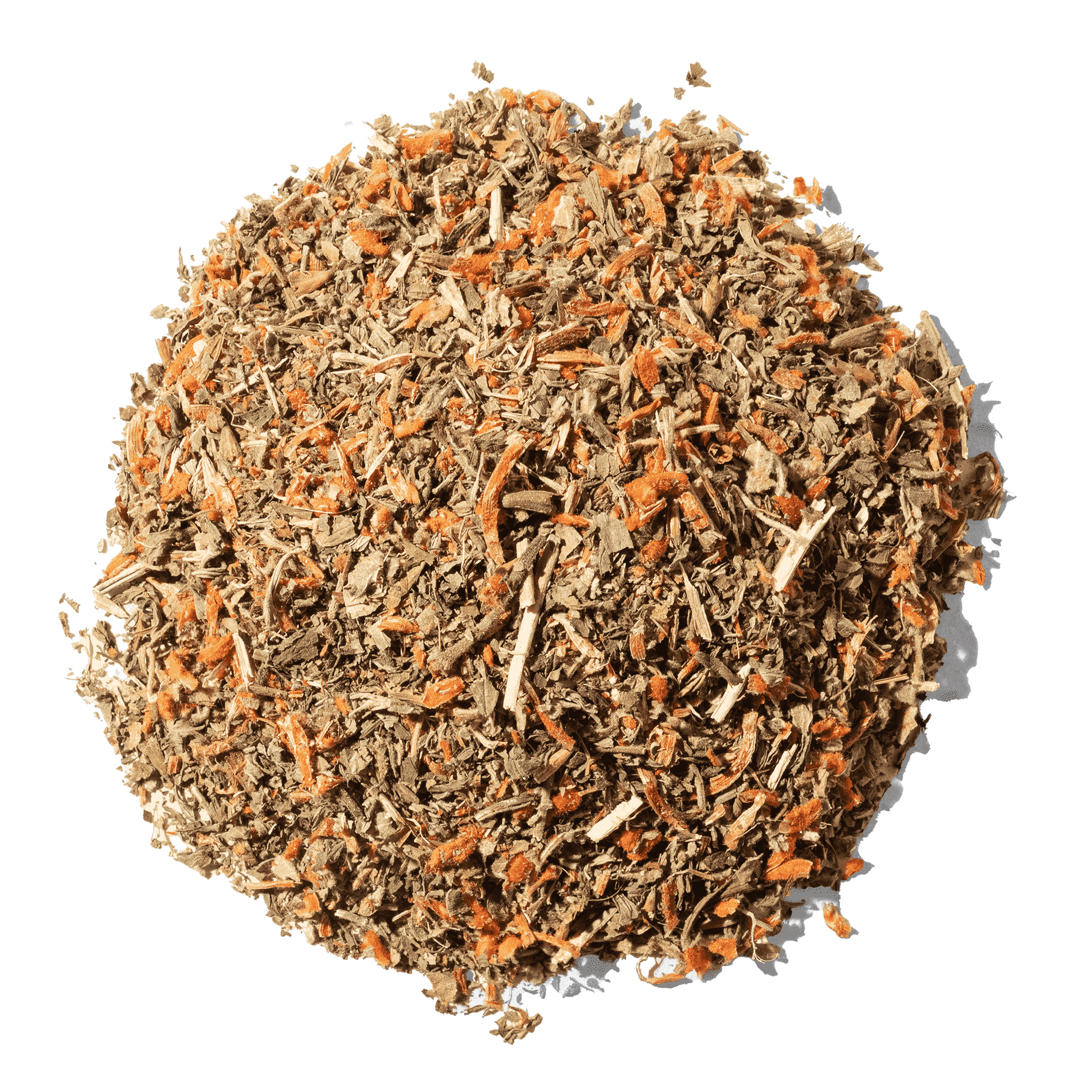
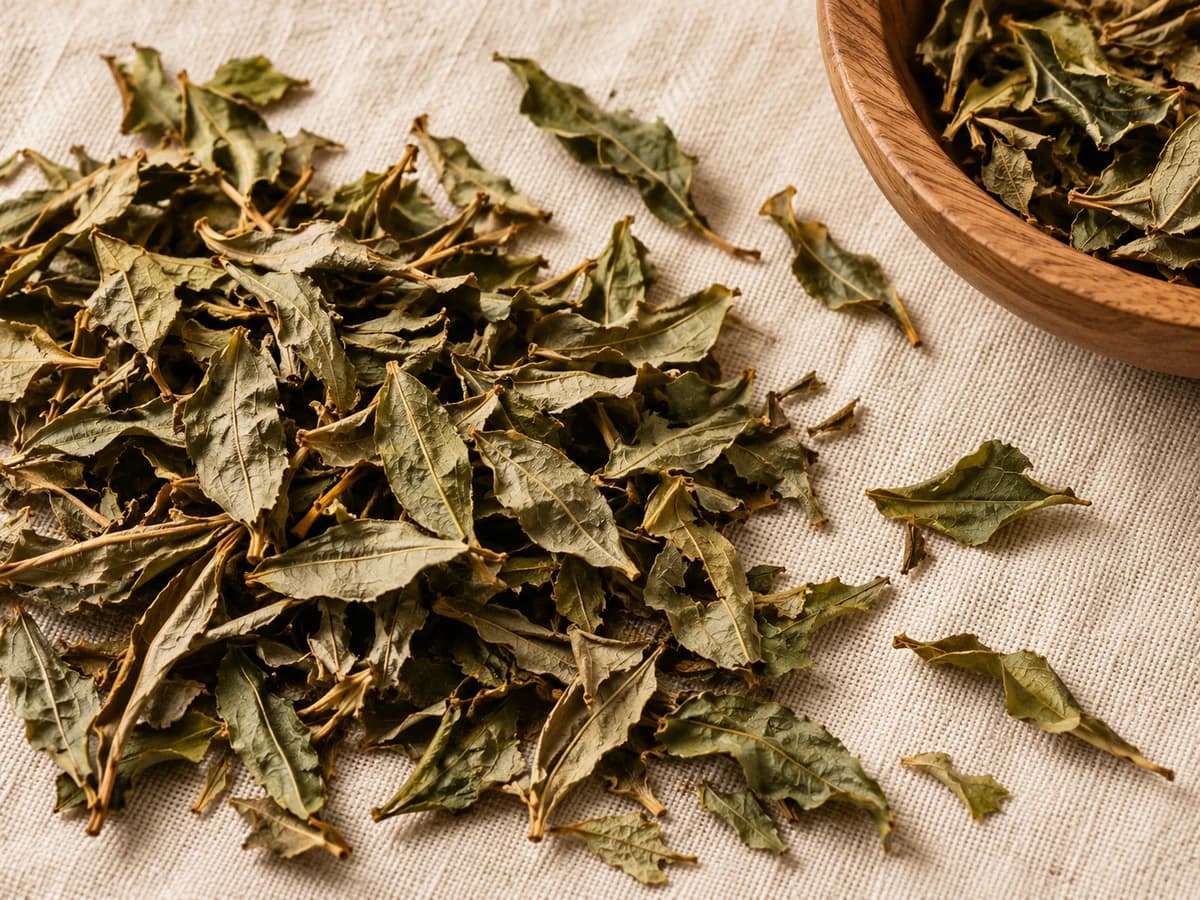
Its vivid orange flowers cluster at the ends of branches and resemble a lion's tail or ears, giving the plant its name. Its narrow, elongated leaves are covered with rough hairs and release a strong herbal scent.
Drought tolerant and fast growing, lion's tail has ornamental value and is also an important resource in traditional medicine, widely used in folk practices in South Africa and elsewhere.
Traditional uses of lion's tail
Lion's tail has a long history of use in South Africa and parts of Africa, with both internal and external applications documented:
Under the regulations of Taiwan's Ministry of Health and Welfare, this article is for reference only. It is neither a medical prescription nor an official recognition of therapeutic efficacy for a health food.
- Internal use: Traditionally used to treat symptoms such as cough, bronchitis, high blood pressure, diabetes and headache.
- External use: Applied externally to relieve skin problems such as eczema, itching, burns and snake bites.
- Smoking and vaporization: Dried leaves and flowers are used after smoking and are believed to help control epileptic seizures, reduce anxiety and produce mild euphoria. Attention should be paid to the source and quality of products on the market.
Culture of use and effects of lion's tail
In traditional medicine, lion's tail is associated with therapeutic effects and is deeply rooted in local culture. Its varied methods of use, particularly smoking and vaporization, carry distinctive significance:
- Smoking tradition: In South Africa, dried lion's tail leaves and flowers are used through smoking to relieve epilepsy, reduce anxiety and produce mild euphoria.
- Evidence from modern research: Some animal experiments show potential for lion's tail smoke extracts to reduce seizure frequency and improve anxiety-related behaviour. Further clinical trials are still needed to confirm their safety and effects.
- Culture and recreation: Beyond medicinal use, some communities also smoke lion's tail for recreation and mental relaxation. Products must be free from adulteration with illegal substances.
Chemical constituents and pharmacological activity of lion's tail
The pharmacological effects of lion's tail mainly arise from its rich chemical constituents. Modern research has found:
1. Diterpenoid compounds
2. Flavonoid compounds
3. Other constituents
Together, these constituents give lion's tail multiple pharmacological activities. However, most findings remain at the laboratory stage and have not received official recognition as health food efficacy claims.
- Marrubiin: Research indicates potential anti-inflammatory and antispasmodic effects;
- Leoleorin A/B/C: Some labdane diterpenoids have shown antiepileptic activity in animal experiments
- Compounds such as Luteolin and Apigenin have antioxidant and anti-inflammatory properties that help protect nerve cells.
- Some alkaloids and volatile compounds may also be involved in neural regulation, but their specific mechanisms require further study.
Conclusion: The culture and modern value of smoking lion's tail
As a versatile herb, lion's tail combines a deep background in traditional medicine with modern scientific research. Its distinctive use through smoking carries cultural significance and also shows some pharmacological potential. Although existing research has provided preliminary evidence of its potential against epilepsy and anxiety and in certain aspects of cardiovascular regulation, under the regulations of Taiwan's Ministry of Health and Welfare, there is currently insufficient clinical evidence to support medical efficacy claims for it as a health food. Related products should therefore be promoted and used with care, with careful product selection and compliance with relevant regulations to protect consumer safety.
Bibliographic references
- 2003 - Hypotensive effect of Leonotis leonurus aqueous leaf extract in rats
- 2009 - Phytochemical and pharmacological studies on Leonotis leonurus
- 2010 - Effect of aqueous extract of Leonotis leonurus (L.) R.Br . leaves in male Wistar rats
- 2011 - The cardioprotective effects of marrubiin, a diterpenoid found in Leonotis leonurus extracts
- 2013 - Labdane Diterpenoids from Leonotis leonurus
- 2015 - Wild Cannabis: A review of the traditional use and phytochemistry of Leonotis leonurus
- 2016 - Paclobutrazol retards vegetative growth in hydroponically-cultured Leonotis leonurus (L.) R.Br . for a multipurpose flowering potted plant
- 2018 - Acute Toxicity and Antihypertensive Effects of Artemisia afra and Leonotis leonurus in Spontaneously Hypertensive Rats
- 2023 - In-silico and in-vivo evaluation of the Cardiovascular effects of five Leonotis leonurus diterpenes
- 2024 - Chemical profiling, anticonvulsant and anxiolytic effects of the smoke constituents isolated from Leonotis leonurus (L.) R.Br .
- 2024 - Phytochemical Profiles, Micromorphology, and Elemental Composition of Gomphocarpus fruticosus and Leonotis leonurus: Plants Used for Managing Antidepressant-like Conditions in Folk Medicine