Blue Lotus

Nymphaea caerulea

Explore blue lotus's chemical constituents and uses, and its appeal across ancient Egyptian culture and modern herbal applications.

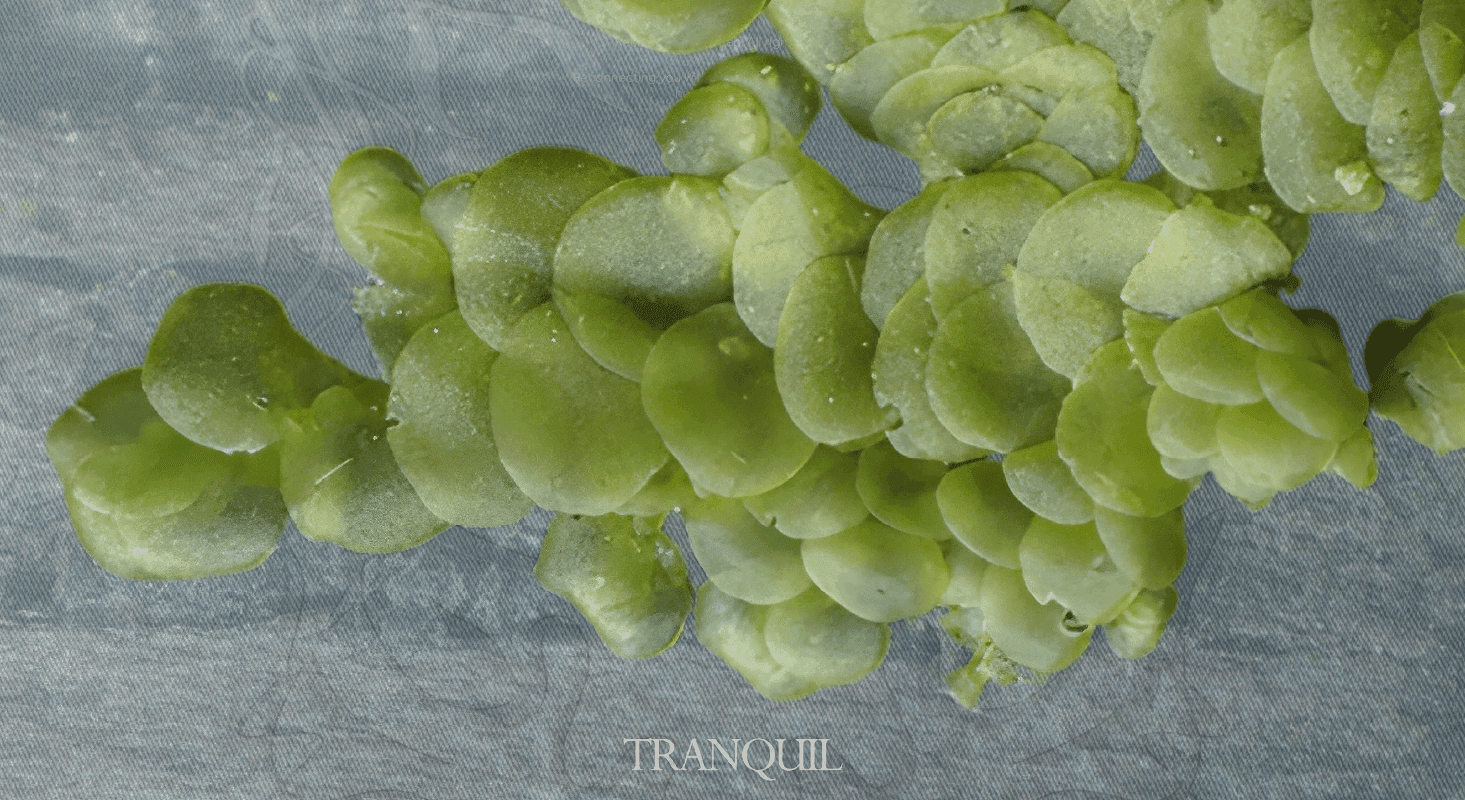
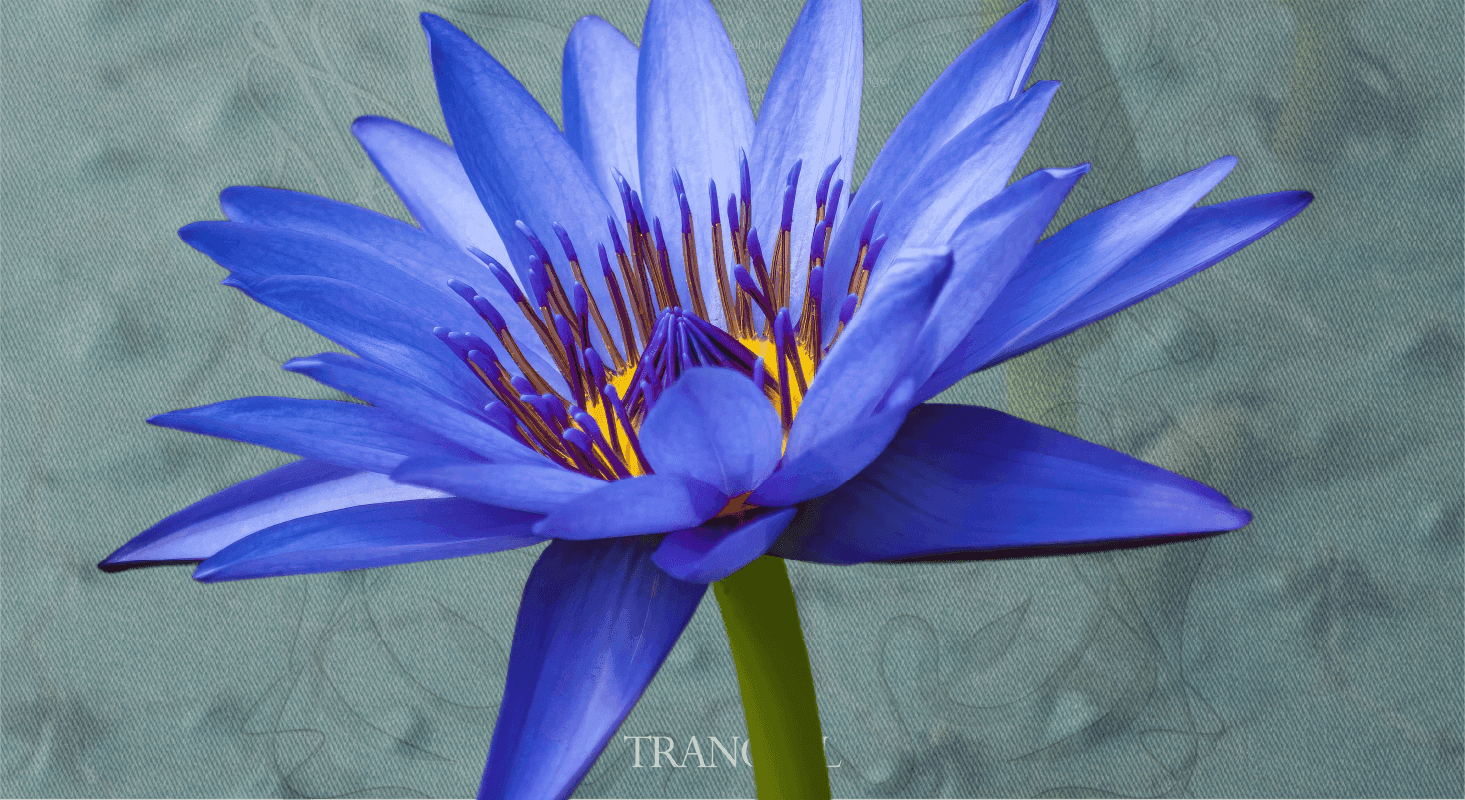
Illustration of Blue Lotus in a botanical setting

Blue lotus (Nymphaea caerulea) is an herb with a long history, used in tea, hand-rolled herbal products and aromatherapy for relaxation, antioxidant effects and skincare. Explore its chemical constituents, uses, and cultural and scientific value!

Research indicates that blue lotus flowers and leaves contain various phytochemicals, including:

  • Flavonoids: compounds such as quercetin (Quercetin) have been studied as natural antioxidants.
  • Alkaloids: constituents such as Nuciferine and Apomorphine may have mild regulatory effects on the central nervous system, helping promote relaxation and improve sleep quality.
  • Polyphenols: like polyphenols from other plants, these may help maintain cellular health.

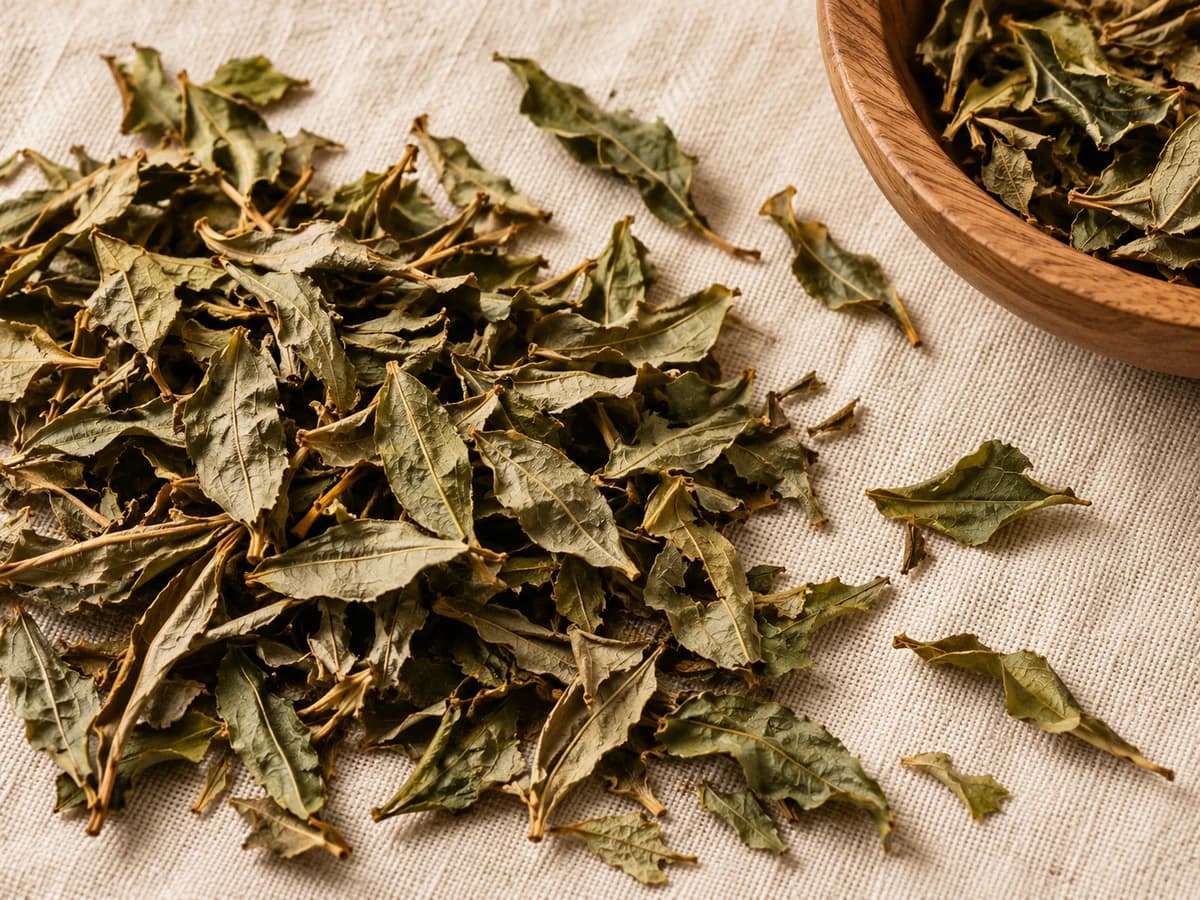
Herbal tea: blue lotus can be used as an ingredient in herbal tea, offering a distinctive herbal aroma.

  • Suggested preparation: steep 3–5 grams of dried petals or leaves in hot water for 10 minutes. Add honey or other herbal tea leaves to enhance the flavour and effects.

Hand-rolled herbal products: dried blue lotus leaves and petals can be used in hand-rolled herbal products for a delicate aromatic experience.

  • How to use: use on its own or blend with other herbs, such as lavender or mint.
  • Occasions: suitable for meditation or quiet moments to create a relaxing atmosphere.
  • Precaution: choose natural products without additives and use moderate quantities.

Wine infusion

  • Simple preparation: soak dried blue lotus petals in red or white wine and leave for 24 hours before drinking. This method uses alcohol as a solvent to extract blue lotus constituents such as Nuciferine and Apomorphine.
  • Potential effects: many people believe this combination can enhance relaxation, but quantities should be carefully controlled to avoid excessive sedation.
  • Precaution: combining it with excessive alcohol is not recommended, and drinking after driving or operating machinery should be avoided.

Aromatic incense: dried blue lotus petals can be used as incense material alongside other aromatic plants, such as sandalwood or rosemary.

  • How to use: place in an incense burner or smoking vessel to release a natural herbal aroma.
  • Occasions: suitable for relaxation, quiet reflection or an aromatic experience at home.

Beauty and skincare: blue lotus extracts are commonly found in skincare products and used alongside other botanical extracts in everyday personal care.

  • Common applications: moisturisers, face masks, serums and similar products.
  • Choosing products: select products with ingredient labelling and quality assurance.
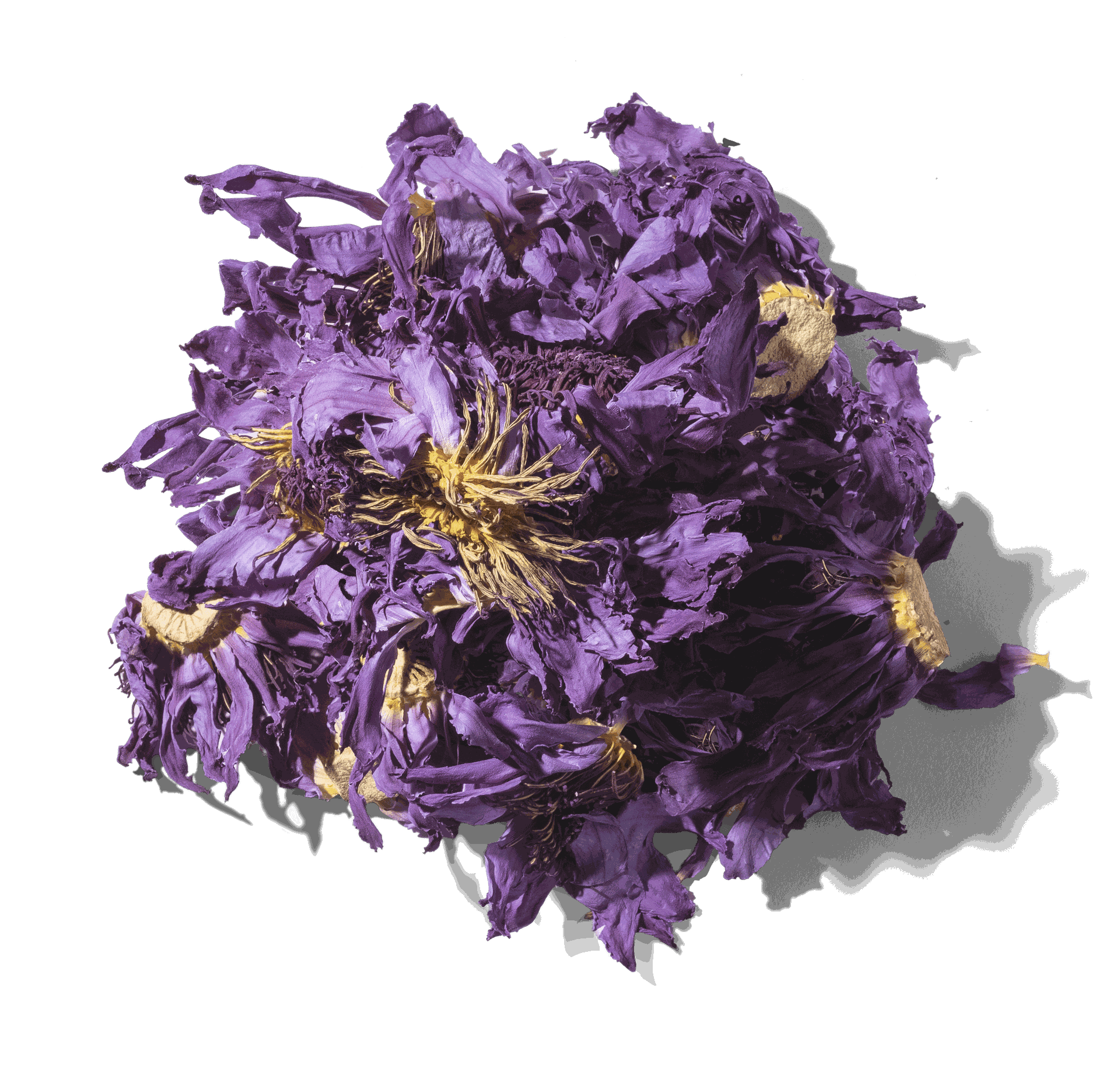
Blue lotus is a plant with a long history, rich cultural background and potential applications. From herbal tea to hand-rolled herbal products, it can offer a distinctive aromatic experience. Even so, use moderate quantities and choose an appropriate product source.

Blue Lotus

Blue Lotus

Nymphaea caerulea

10g per portion

—Contact us for specifications and availability
References
  1. Hydropotes of Young and Mature Leaves in Nymphaea caerulea.
  2. Antioxidant Constituents of Nymphaea caerulea Flowers.
  3. The Blue Lotus Flower Resin in Electronic Cigarettes.
  4. The Mushroom and the Water Lily: Ritual Use in Mesoamerica.
  5. Delphinidin Galloylgalactosides from Blue Flowers of Nymphaea caerulea.
  6. Flavonoids from Blue Flowers of Nymphaea caerulea.
  7. Molecular Docking of Apomorphine with Mu-Opioid Receptor.
  8. Chemical Composition, Market Survey, and Safety Assessment of Blue Lotus Extracts.
Disclaimer

All content on this website has been reorganised and written from publicly available academic research, historical sources and online information. It is intended only for reference and general knowledge sharing, and does not constitute medical advice, diagnosis or treatment.

Consult a professional: if you have any health concerns, seek professional advice from a qualified healthcare professional or pharmacist.

Caution for certain groups: this product is not suitable for pregnant or breastfeeding people, children or people with mental illnesses. If you have a particular health condition, consult a professional before deciding whether to use it.

Individual experiences vary: responses to herbs may differ between individuals. Use moderate quantities according to your own circumstances.

Regulatory compliance statement: this product and content are not intended for medical use and do not claim to diagnose, treat or prevent any disease. Users should ensure compliance with local regulations and assume the risks associated with use.

Please make informed decisions when buying and using products, and take responsibility for your health.

View all articles →

Herbal knowledge

Radula Marginata

Radula marginata

Māori liverwort, Wairuakohu (Radula marginata), is a hidden herbal treasure from the Māori regions of New Zealand. Explore its history, active compounds and herbal applications, and experience the pure power of nature.