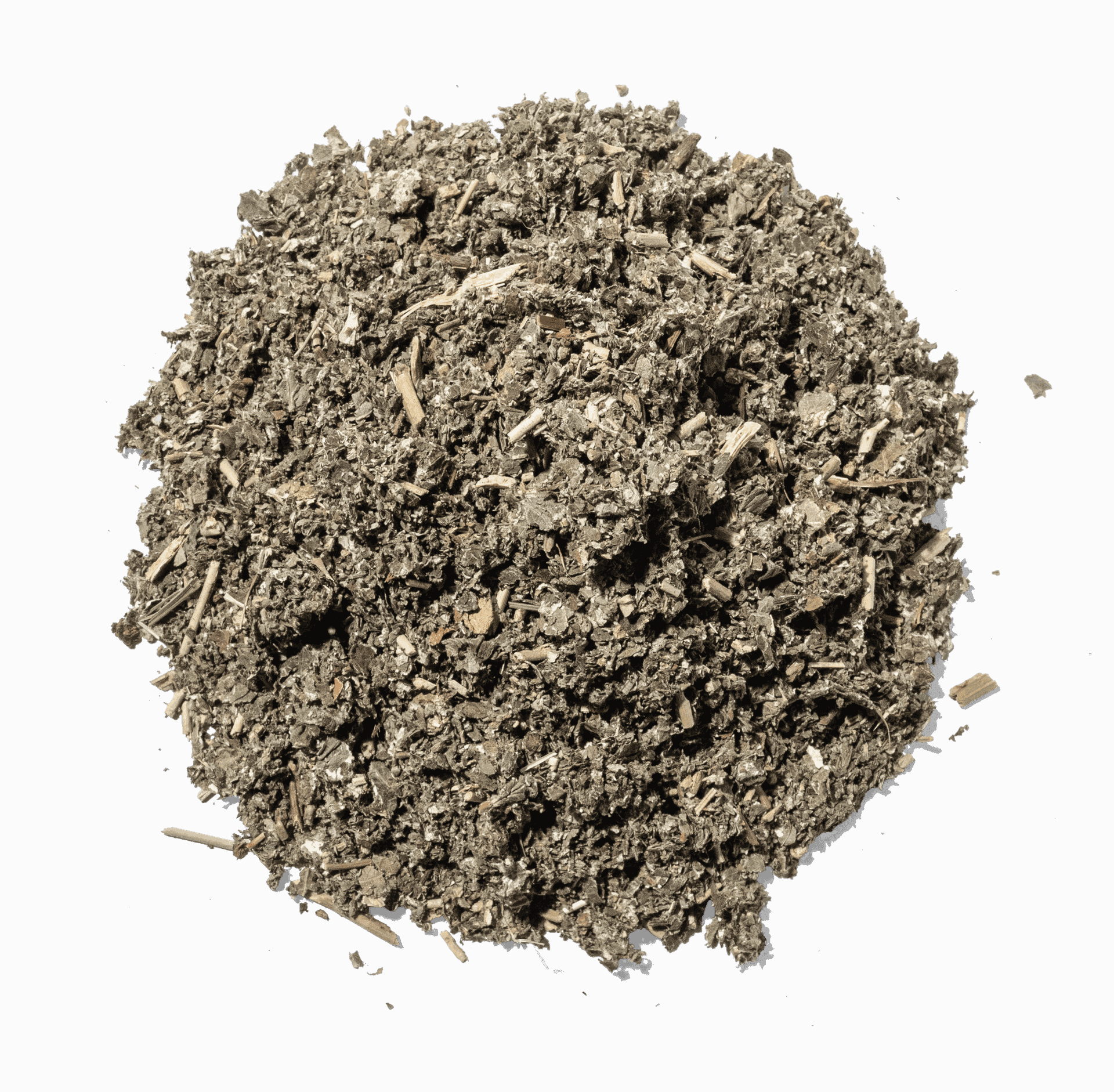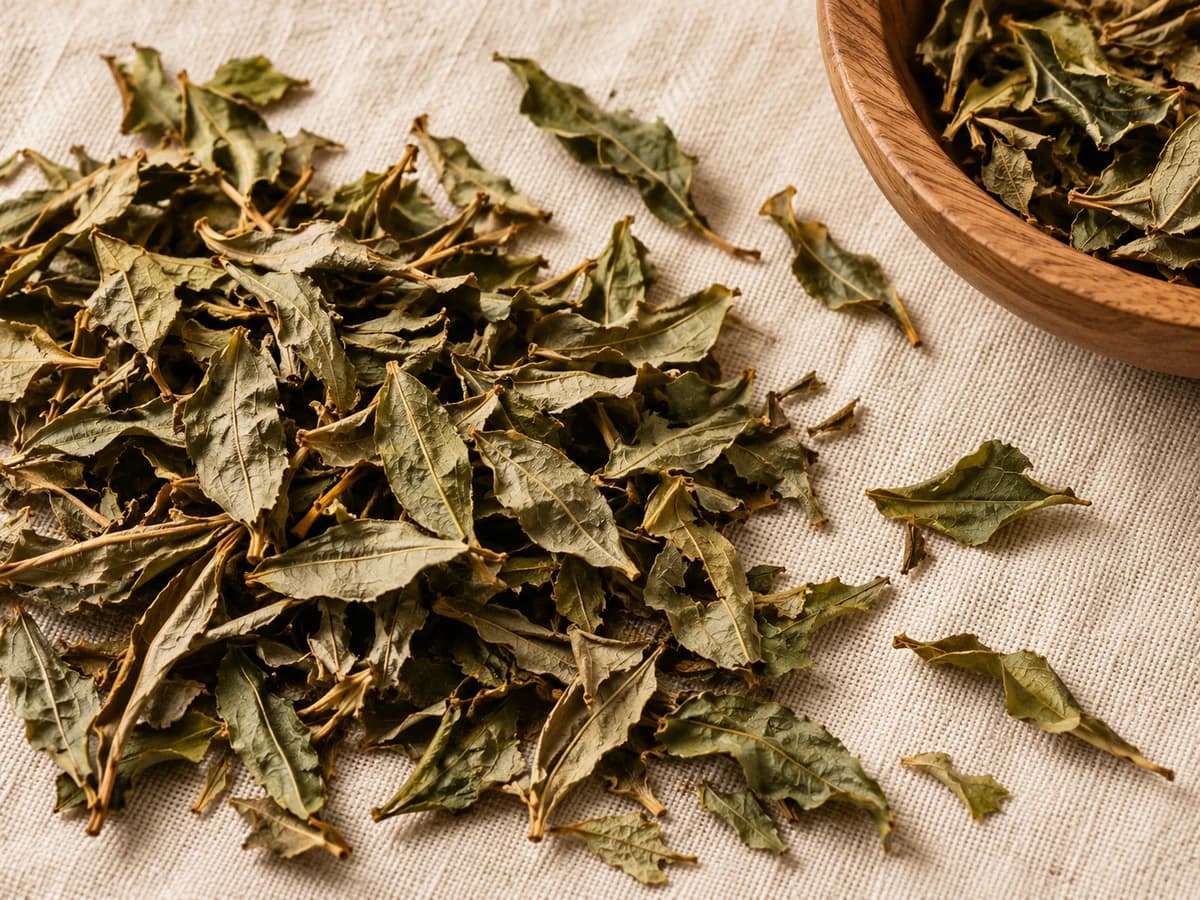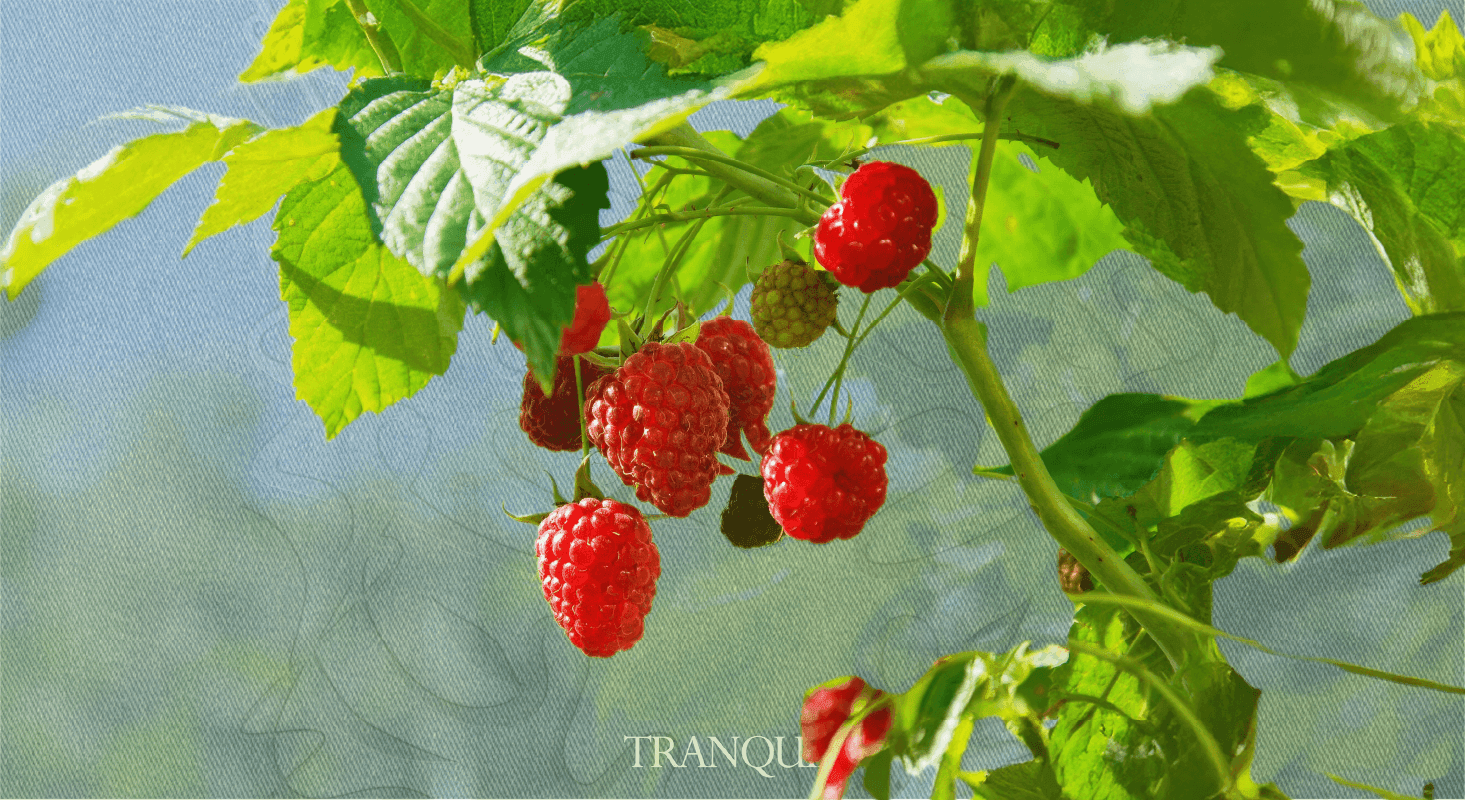
In the world of hand-rolled herb enthusiasts, raspberry leaves (Rubus idaeus) are becoming a rising star. Their smooth, sweet smoke when burned, together with their wide-ranging health benefits and versatility, brings new possibilities to hand-rolled herbs. In this blog, we explore their distinctive constituents, applications and supporting scientific research to help you understand this natural herb’s value. Unique constituents and benefits of raspberry leaves: why raspberry leaves feature in hand-rolled herbs and
Main Constituents
- Flavonoids: Quercetin and Kaempferol have antioxidant and anti-inflammatory effects, helping support immunity and vascular health.
- Tannins: their strong astringent effect can tighten tissues, soothe inflammation of the throat and mouth and relieve mild diarrhea.
- Polyphenols: Ellagic Acid and Chlorogenic Acid have notable antioxidant potential and are of research interest for metabolic regulation and anticancer effects.
Health benefits
- Antioxidant and anti-inflammatory effects: remove free radicals, reduce cell damage and help soothe inflammation in the body.
- Women’s health support: support regulation of uterine smooth muscle during pregnancy to help prepare for childbirth; may ease menstrual discomfort.
- Digestive regulation: relieve mild diarrhea and promote gastrointestinal health.
Hand-rolled herbs: raspberry leaves produce mild smoke and a natural aroma when burned, making them an ideal ingredient for hand-rolled herbal products.
- Suggested combinations: blend with blue lotus or mint leaves to enhance aroma and function.
- Selecting ingredients: choose natural raspberry leaves without additives to ensure quality and health.
- Suggested amount: use 1-2 g of dried raspberry leaves each time, adjusting to personal preference.
Tea and women’s health: raspberry leaf tea is an option for relaxation and health support.
- Preparation: steep 1 teaspoon of dried raspberry leaves in hot water for 5 minutes, then drink.
- Pregnancy support: drink 1-3 cups daily in the third trimester to help prepare for childbirth.
- Suggested amount: use 1 teaspoon (about 2 g) of dried leaves per cup of tea.