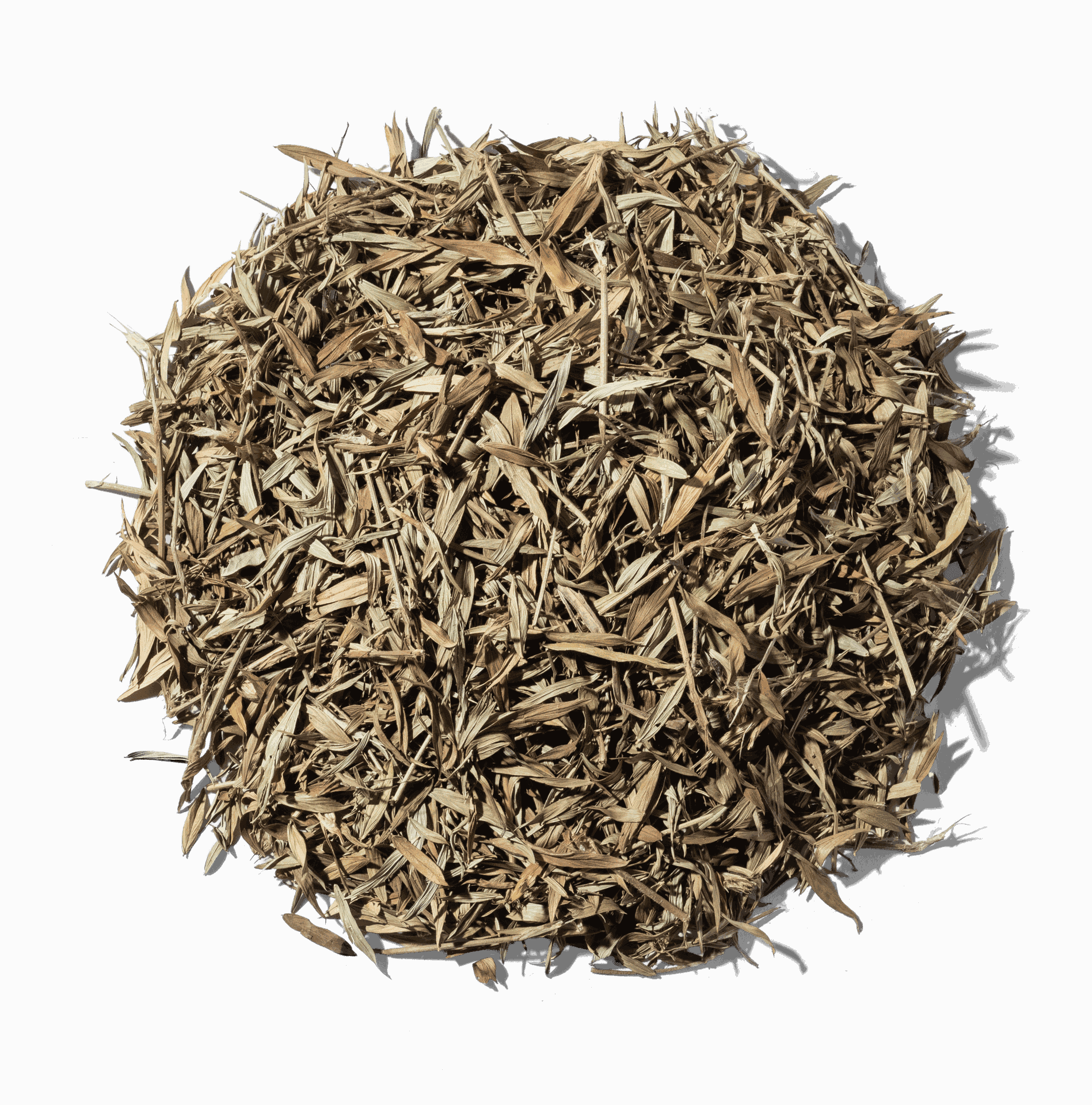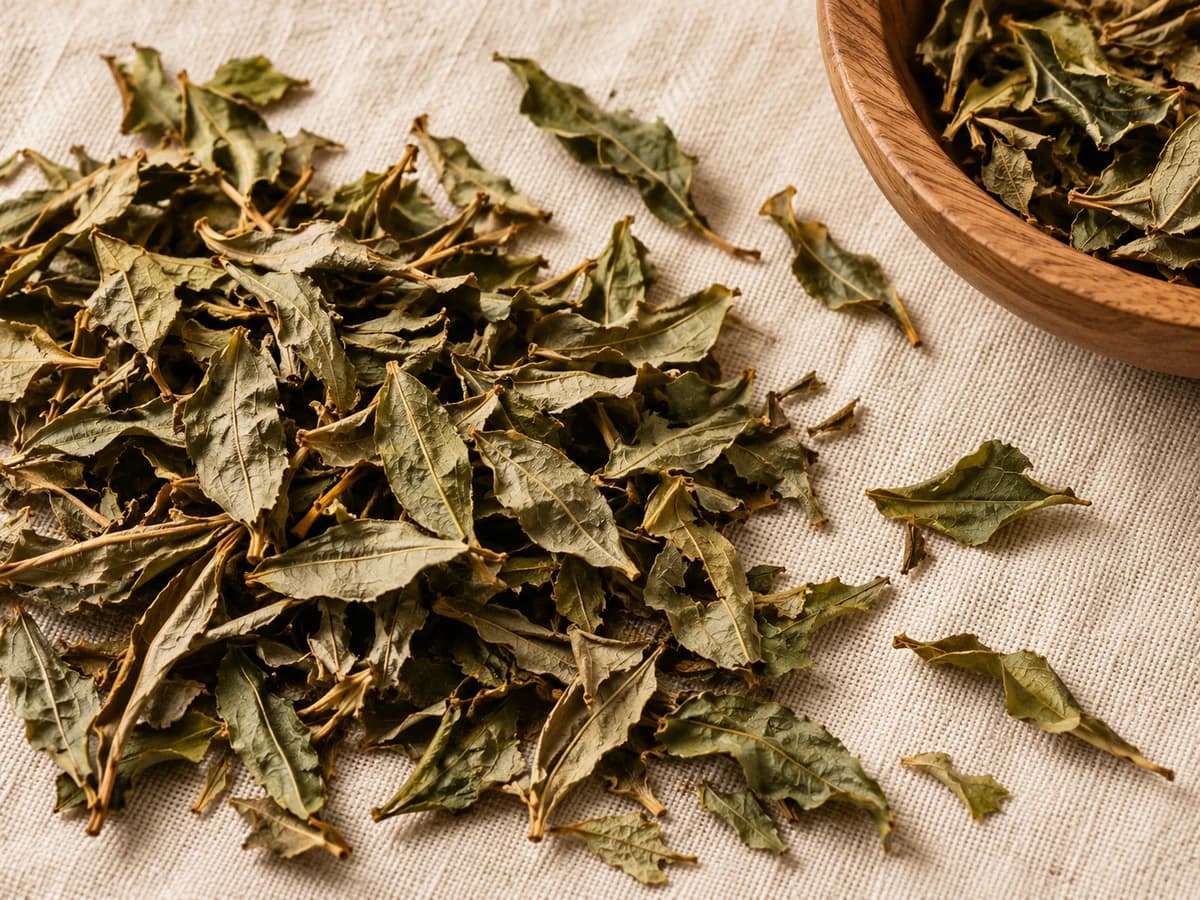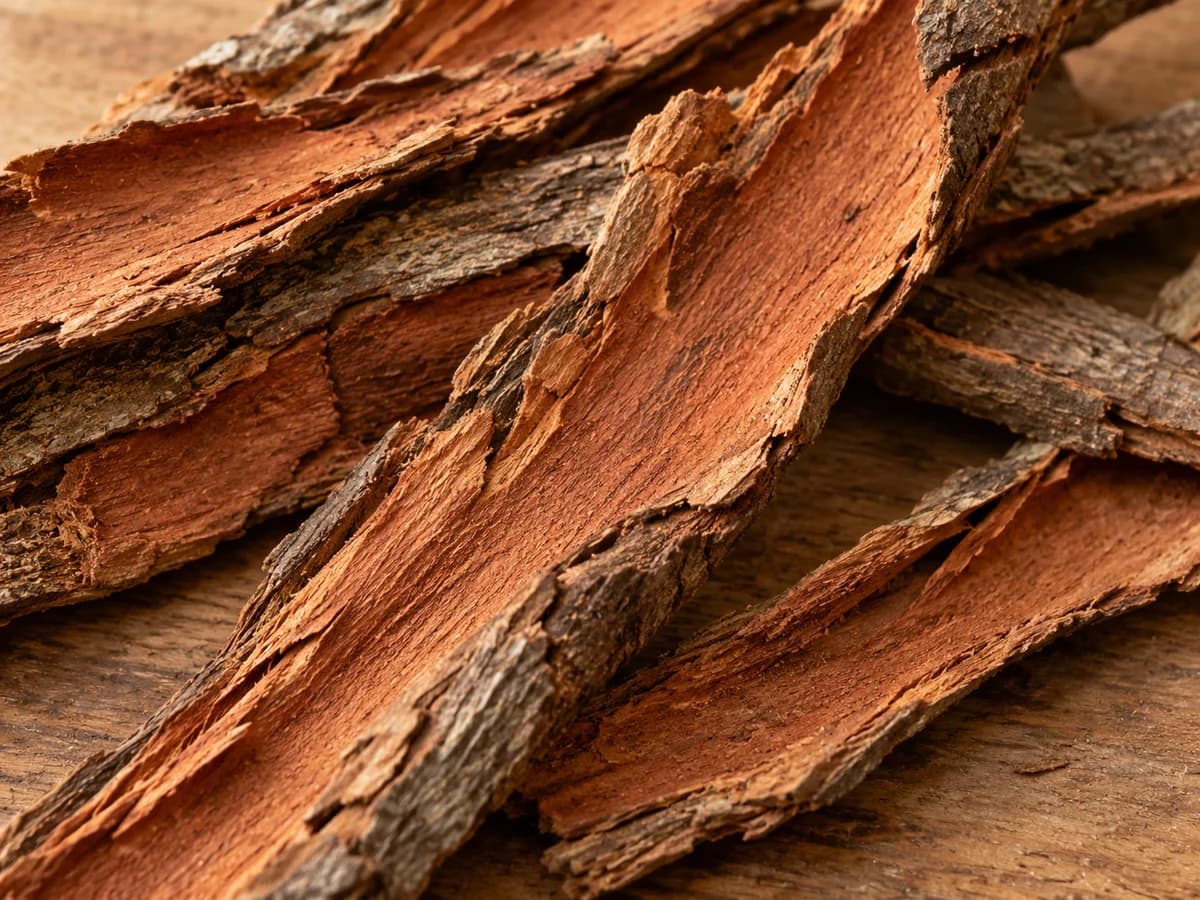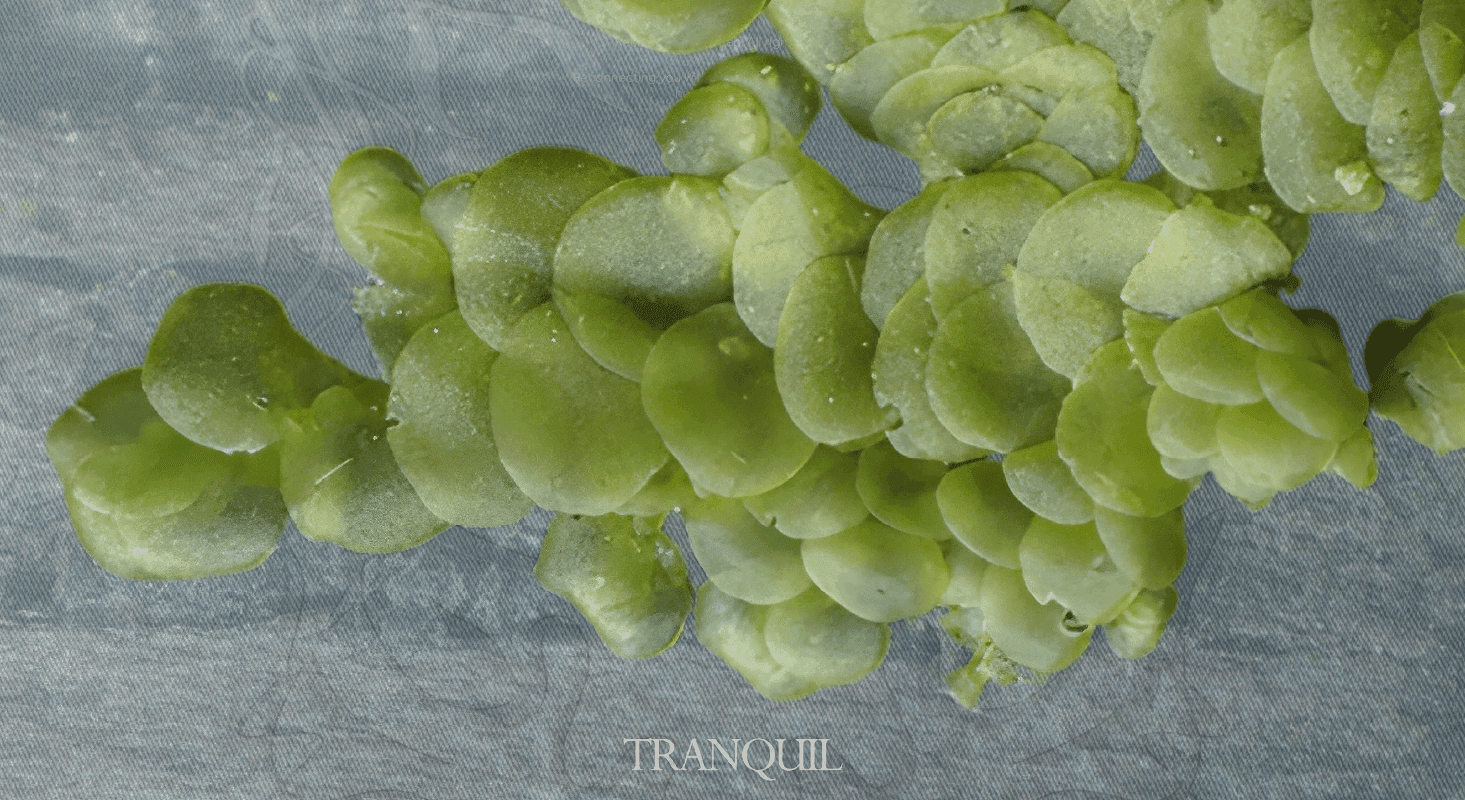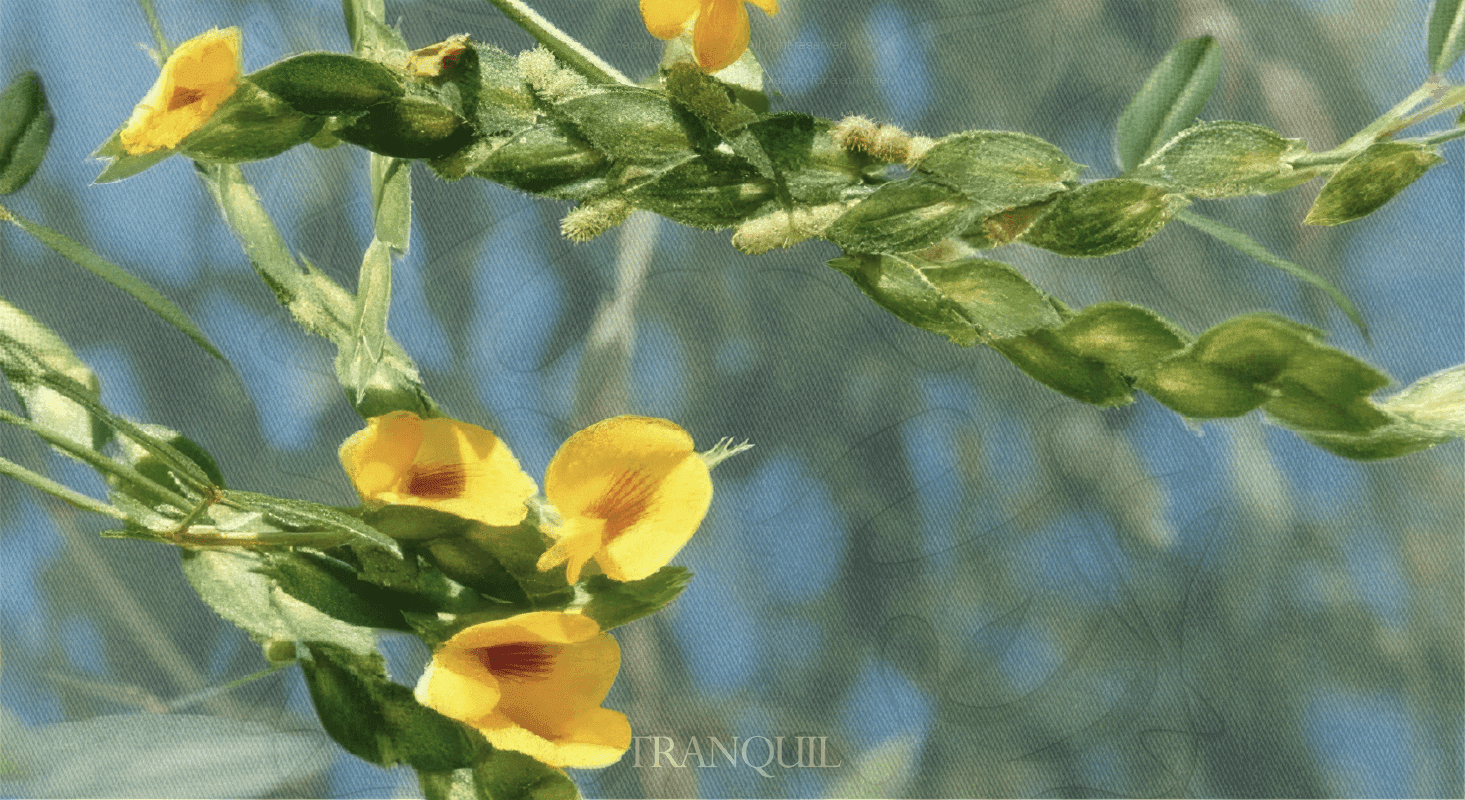
Maconha Brava (scientific name: Zornia latifolia), also called Zornia diphylla or “Maconha Brava” (“white cannabis” or “false cannabis”) in some regions, is a perennial legume native to tropical South America. It has attracted attention because certain cultures give it cannabis-like common names or use it in similar ways, and recent research has identified various flavonoid compounds.
Part one: a comprehensive introduction to Maconha Brava (Zornia latifolia)
Maconha Brava (scientific name: Zornia latifolia), also called Zornia diphylla or “Maconha Brava” (“white cannabis” or “false cannabis”) in some regions, is a perennial legume native to tropical South America. It has attracted attention because certain cultures give it cannabis-like common names or use it in similar ways, and recent research has identified various flavonoid compounds.
However, scientific literature has not detected tetrahydrocannabinol (THC) in this plant, nor is there evidence that it has the same constituents or functions as common cannabis (Cannabis sativa).
The following information is solely an introduction to the plant's ecology, cultural background and related research.
Part two: botanical features and growing conditions
- Growth habit: Approximately 50 centimetres tall, with many branches and creeping or semi-upright stems.
- Leaves: A typical two-leaflet (bifoliate) structure, usually broadly lance-shaped, with leaves up to 4 centimetres long.
- Inflorescences: Yellow flowers arranged in spikes, with a relatively brief flowering period lasting from a few hours to ten hours.
- Fruit and seeds: Slightly spiny pods containing seeds; local traditions may use them as spices or herbs.
- Growing conditions: Native to South America, including Brazil and Mexico, and later spreading to tropical or subtropical areas such as West Africa and Central America. It can grow wild in dry, acidic or low-fertility soils.
- Adaptability and naturalisation: Its heat and drought tolerance makes it particularly common in hot regions, where it grows well in high temperatures or acidic soils. It is found in tropical grasslands, along roadsides and at woodland or farmland edges, and has gradually naturalised in some areas.
Part three: folklore and historical background
The information above is historical and cultural only. It does not establish medical efficacy or provide a legal basis for food use.
- Origin of the traditional name “white cannabis”: In places such as Brazil and Mexico, some Indigenous or local communities combine this plant with other herbs and call it “Maconha Brava”, meaning “false (white) cannabis”. The name largely reflects traditional substitution practices rather than scientific recognition. Earlier users may have felt cannabis-like relaxation when smoking or using it, giving rise to the name. Current research, however, has not demonstrated that the plant contains cannabinoids.
- Traditional applications: Tea or spices—some regions add the dried flowers or leaves to drinks or cooking for flavour.
- Folk ceremonies or everyday use: Traditional texts or oral accounts mention the plant as an herb for soothing body and mind in ceremonial settings. These practices are mostly local traditions, with methods and purposes varying by region; they lack official authorisation or extensive scientific evidence.
Part four: chemical constituents and recent research
1. Flavonoids as a focus of research
Several recent studies identify flavonoids as the plant's main active constituents, including:
Although rumours sometimes claim that the plant contains THC or other cannabinoids, existing scientific research has not confirmed this. Its description as a “cannabis substitute” largely reflects traditional use and the effects of flavonoid derivatives on the nervous system, rather than the presence of cannabis-related substances.
2. Tests of brain neuron activity
A study published in 2020, “Cannabis-like activity of Zornia latifolia Sm. detected in vitro on rat cortical neurons”, reported the following observations:
3. Mechanisms and future prospects
Important statement
All research information in this article is for academic reference only and does not confirm any therapeutic effect. Maconha Brava has not been approved as a food or medicinal ingredient by Taiwan's or major international regulatory authorities, and has no officially recognised medical effects. Follow local regulations and do not casually use it as a “cannabis substitute”.
- Genistein: Also found in soybeans and other legumes; it attracts scientific interest for its antioxidant and cellular regulation potential.
- Apigenin: Common in celery, coriander and other plants; some studies suggest possible neuroprotective and enzyme-regulating properties.
- Syzalterin: A less common dimethyl flavonoid. Literature proposes “distinctive neural activity”, possibly involving binding to particular membrane receptors or ion channels and thus influencing neurotransmission.
- Neural modulation by lipid-soluble extracts: Tests on rat cortical neurons using a multi-electrode array (MEA) found that the plant's lipid-soluble extract can suppress neuronal firing and burst rates. Under experimental conditions, it appeared to have some neural modulation effects similar to high-THC cannabis (Hashish).
- Proposed role of Syzalterin: Researchers suggest that flavonoid derivatives such as Syzalterin act differently from conventional cannabinoids at CB1 and CB2 receptors, producing “cannabis-like” effects through other receptors or ion channels and offering new directions for neuroscience.
- Possible mechanisms: These flavonoids may affect neurotransmitter release, membrane receptors or ion channels in the central nervous system, changing nerve cell excitability.
- Applications and limitations: Existing results are academically interesting, but large-scale clinical data establishing safety and actual efficacy are lacking. Any possible food or supplement use requires legal procedures and toxicological assessment.
- Research directions: Detailed molecular studies, analysis of constituents in different plant parts, toxicity testing, and synthesis or modification of related compounds are possible future avenues.
Part five: precautions for use and identification
1. Easily confused with or replaced by other plants
Products sold in shops or online as “Zornia latifolia” sometimes contain other legumes, such as Stylosanthes guianensis, making identification by appearance difficult. Authentic material for research should be confirmed by microscopy or DNA identification.
2. Safety and legality
3. Risks of combining with other medicines
Flavonoids have complex metabolic pathways in the body. Combining them with sedatives, antidepressants or psychiatric medicines may pose interaction risks. Consult a qualified doctor or pharmacist before any form of use.
- No supporting clinical trials: Substantial human data are currently lacking, and long-term or high-volume use may carry unknown risks.
- Legal requirements: The plant may be strictly regulated or prohibited in some regions. Understand and follow local laws and rules before purchase or use.
Part six: using Maconha Brava in everyday life
- Making tea: Steep a suitable amount of dried flowers and leaves, approximately 1–2 teaspoons, in hot water for 5–10 minutes before drinking. The tea suits the end of a busy day, offers a pleasant sense of relaxation and can be flavoured with honey or lemon.
- Adding to hand-rolled smoking blends: Crush dried leaves, combine with other natural herbs and place in rolling papers. When lit and inhaled, the tropical herbs provide a natural aroma and a distinctive way to relax.
- Spices and seeds: Dried flowers can be powdered and added to soups or stews for natural flavour. Seeds treated with hot water can be used in salads or cold dishes, retaining their original flavour and nutritional value.
Part seven: buying Maconha Brava plant products
We offer selected Maconha Brava products, including teas, dried flowers and herbal blends. Sourced from sustainably cultivated farms, these products bring a natural herbal experience into your life. Explore our products and discover this remarkable plant!
Part eight: conclusion
Maconha Brava (Zornia latifolia) attracted market and academic attention through its unusual traditional names and “cannabis-like” results in certain studies. However, there is currently no evidence that it contains cannabinoids, and it has not been approved for any medical use or as a food ingredient.
Flavonoids discussed in the literature, such as Genistein, Apigenin and Syzalterin, show potential neural modulation activity in cell or animal experiments. Clinical applications, safety and regulation still require further research and verification.
Consumers or researchers interested in this plant should carefully assess source authenticity and legality. Until adequate toxicological and clinical studies exist, it should not casually be regarded as a health food or substitute medicine. For specific needs, consult a professional and follow local laws to safeguard your safety and legal interests.