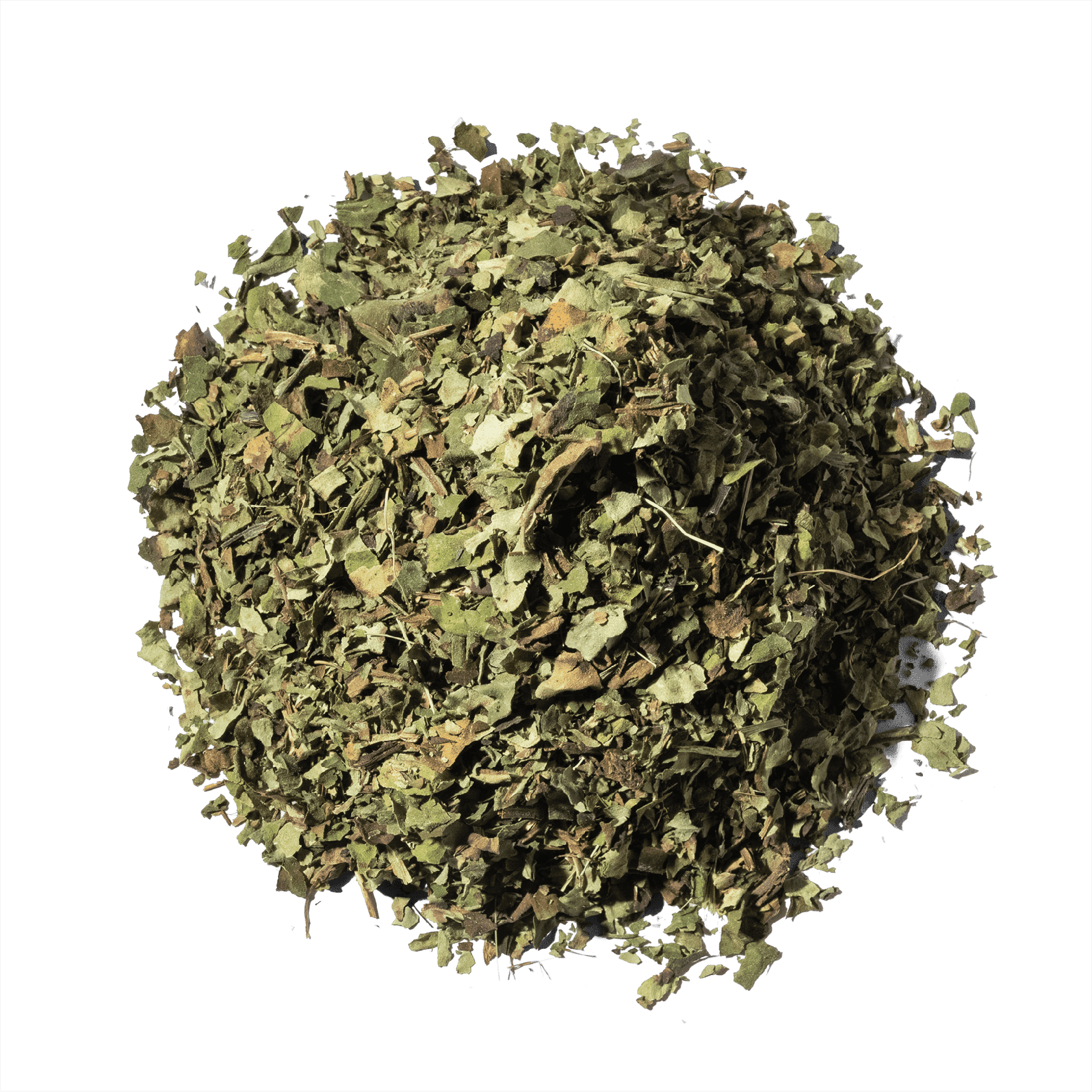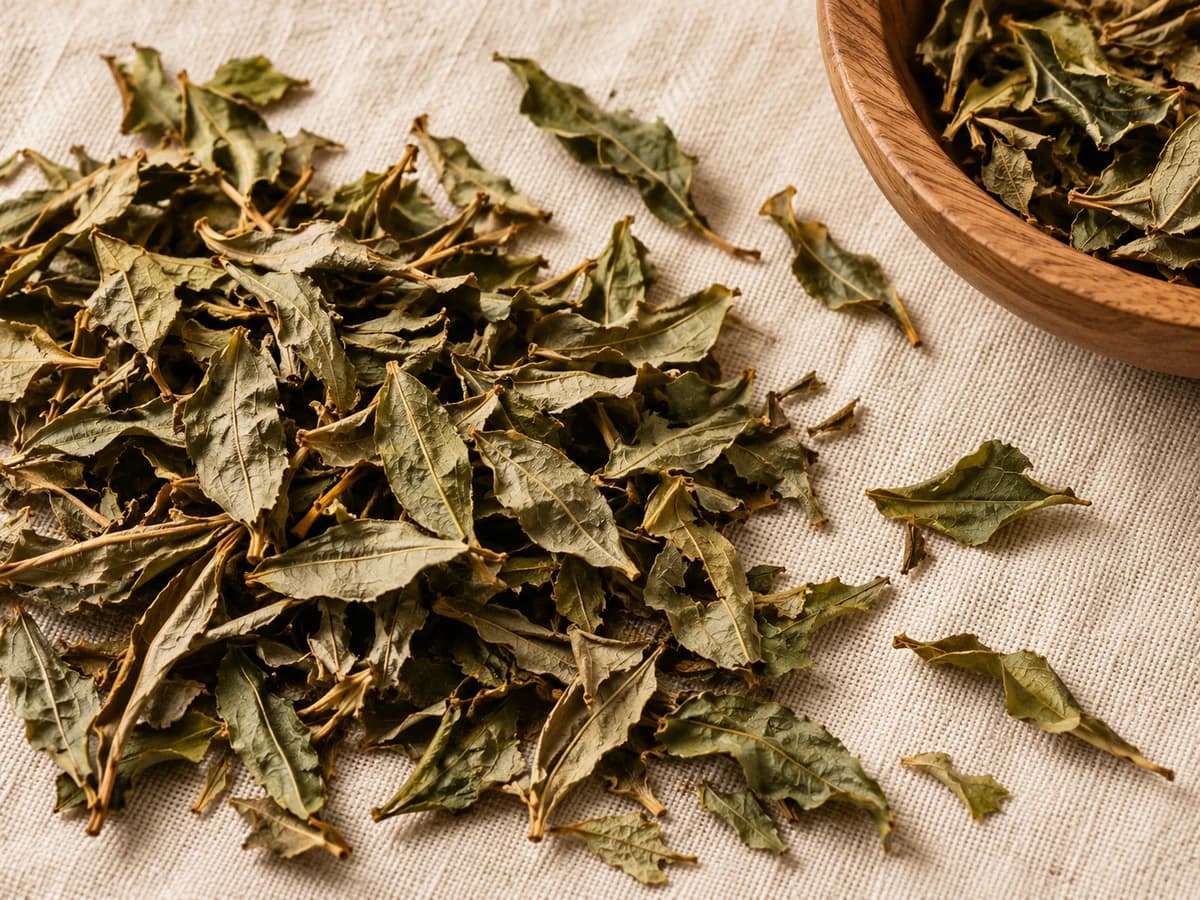
Lungwort (scientific name: Pulmonaria officinalis), also known as medicinal lungwort (Common Lungwort), is a perennial herb mainly found in temperate forests in Europe and Asia. Its distinctive leaf shape and wealth of bioactive compounds have attracted considerable attention, especially in traditional herbal medicine and modern botanical medicine.
What is lungwort?
Lungwort (scientific name: Pulmonaria officinalis), also known as medicinal lungwort (Common Lungwort), is a perennial herb mainly found in temperate forests in Europe and Asia. Its distinctive leaf shape and wealth of bioactive compounds have attracted considerable attention, especially in traditional herbal medicine and modern botanical medicine.
Key effects:
- Oxidative action: reduces free radical damage and supports cellular health
- Anti-inflammatory properties: effectively inhibits the cyclooxygenase-2 (COX-2) enzyme to alleviate inflammation
- Respiratory health support: traditionally used to soothe cough, tracheitis and lung discomfort
- Antimicrobial and antiviral activity: some studies show that its extracts inhibit certain bacteria and viruses
Lungwort's active constituents and scientific support
Lungwort is rich in polyphenols (Polyphenols) and flavonoids (Flavonoids), which have been shown to possess various biological activities, including antioxidant, anti-inflammatory and immune-regulating effects.
- Antioxidant and free radical scavenging effects: Research shows that ethanol extracts of lungwort can effectively neutralize oxidative stress caused by peroxynitrite (Peroxynitrite), potentially contributing to the prevention of chronic diseases such as cardiovascular and neurodegenerative diseases.
- Anti-inflammatory effects and COX-2 inhibition: A study in the journal Molecules indicates that lungwort extracts can significantly inhibit cyclooxygenase-2 (COX-2), an enzyme closely associated with inflammatory responses. Lungwort may therefore offer some relief for arthritis and chronic inflammatory diseases.
- Respiratory tract health support: Due to its lung-soothing and anti-inflammatory properties, lungwort has traditionally been used to treat chronic bronchitis, asthma and respiratory infections. These applications are gradually receiving support from modern research, indicating that it can help soothe cough and promote mucus secretion to reduce respiratory irritation.
How is lungwort used?
Lungwort can be used in several ways in everyday health care:
1. Herbal tea
Method: Add 2–3 grams of dried lungwort leaves to 250mL of hot water, steep for 10–15 minutes, then drink.
Effects: Helps relieve cough, bronchitis and inflammation of the trachea, supporting lung health.
Suggested combinations: Mix with thyme (Thymus vulgaris) or liquorice (Glycyrrhiza glabra) to enhance the lung-soothing effect.
2. Plant extracts
Ethanol or aqueous extracts of lungwort are commonly used in natural supplements, particularly antioxidant and immune-support formulations.
3. Natural skin care products
With its antioxidant and anti-inflammatory properties, lungwort is used in anti-ageing skin care products to soothe sensitive skin and reduce redness and irritation.
Lungwort safety and precautions
- Moderate use: The recommended daily intake is no more than 5 grams of dried leaves to avoid gastrointestinal discomfort.
- Avoid use during pregnancy and breastfeeding: As it may affect hormonal balance, pregnant or breastfeeding women are advised to consult a qualified doctor before use.
- Drug interactions: Lungwort may interact with anticoagulants or immune-regulating medication and should be used cautiously.
Conclusion
Lungwort (Pulmonaria officinalis) is an important ingredient in traditional herbal medicine and modern natural remedies for its antioxidant, anti-inflammatory and respiratory health-supporting effects. Research has confirmed its C OX-2 inhibitory activity, which may play a role in preventing chronic inflammation and protecting cellular health. If you are looking for a natural herb to improve lung health or support the immune system, lungwort is an option worth considering. However, buy from a trustworthy source and follow the recommended dosage to ensure safety and effectiveness.