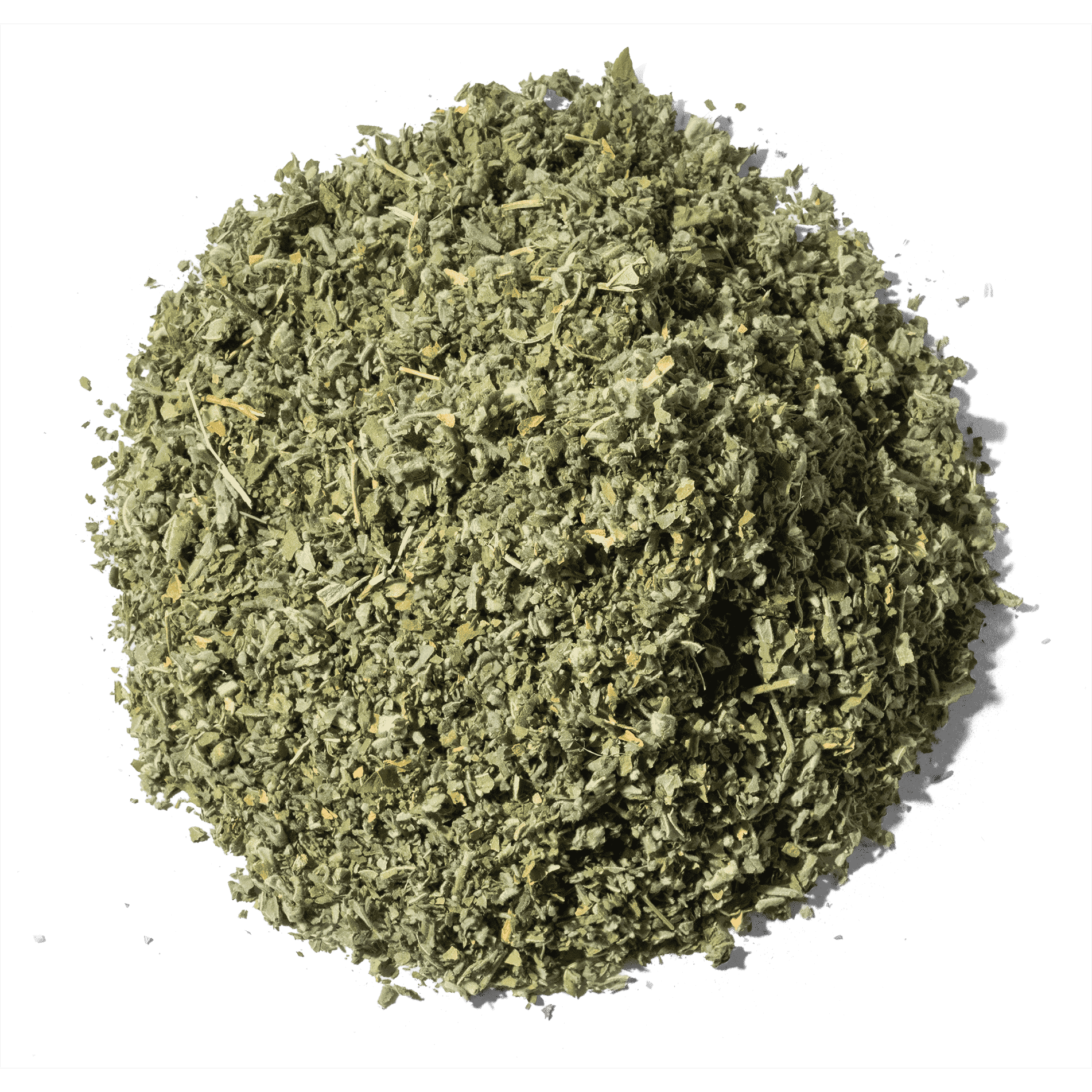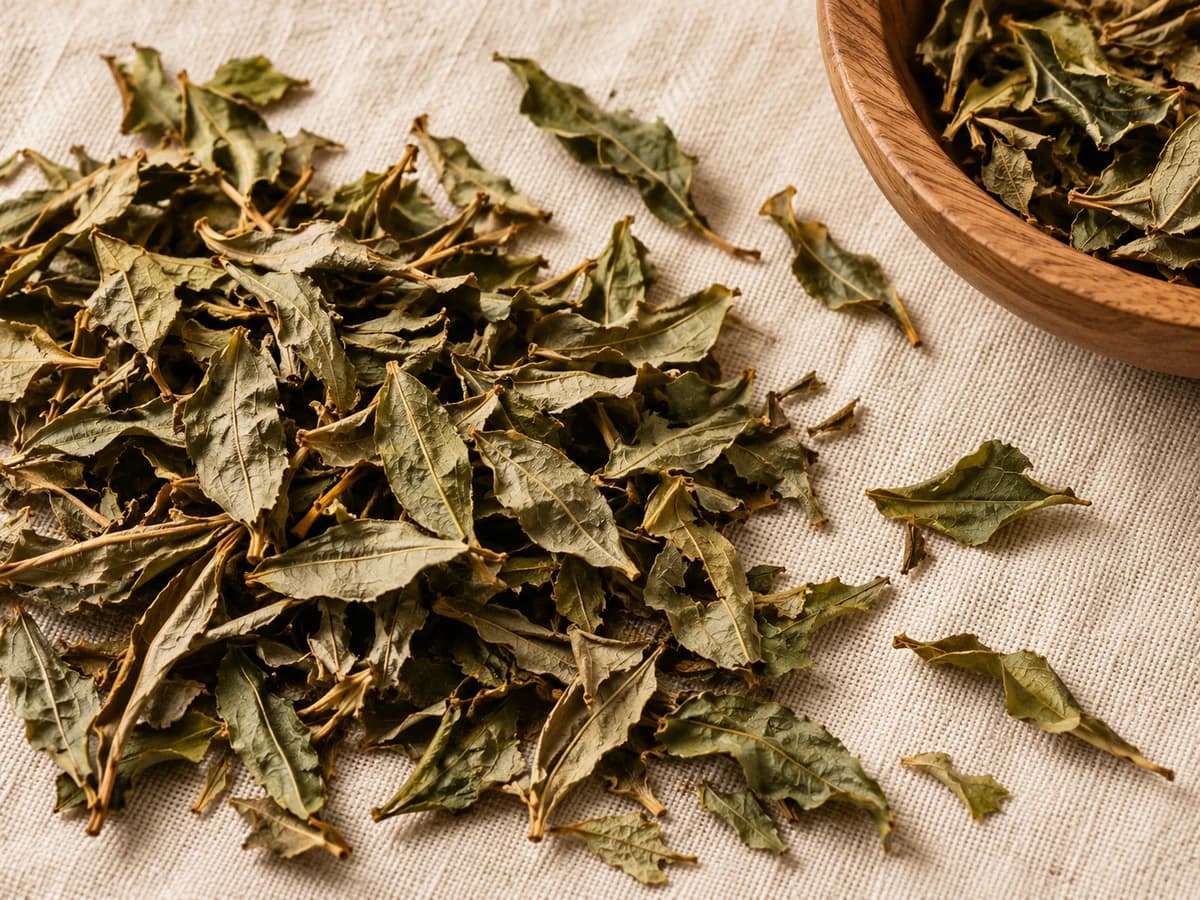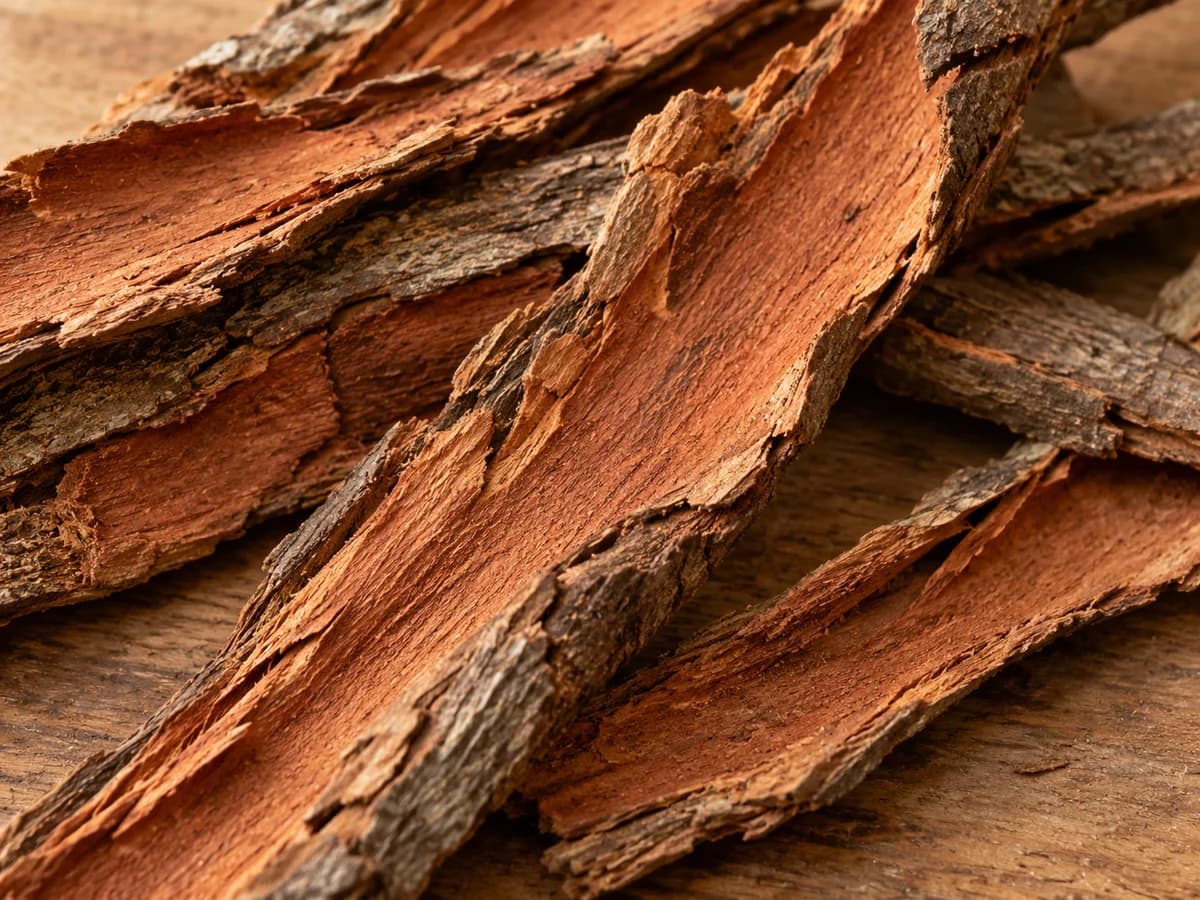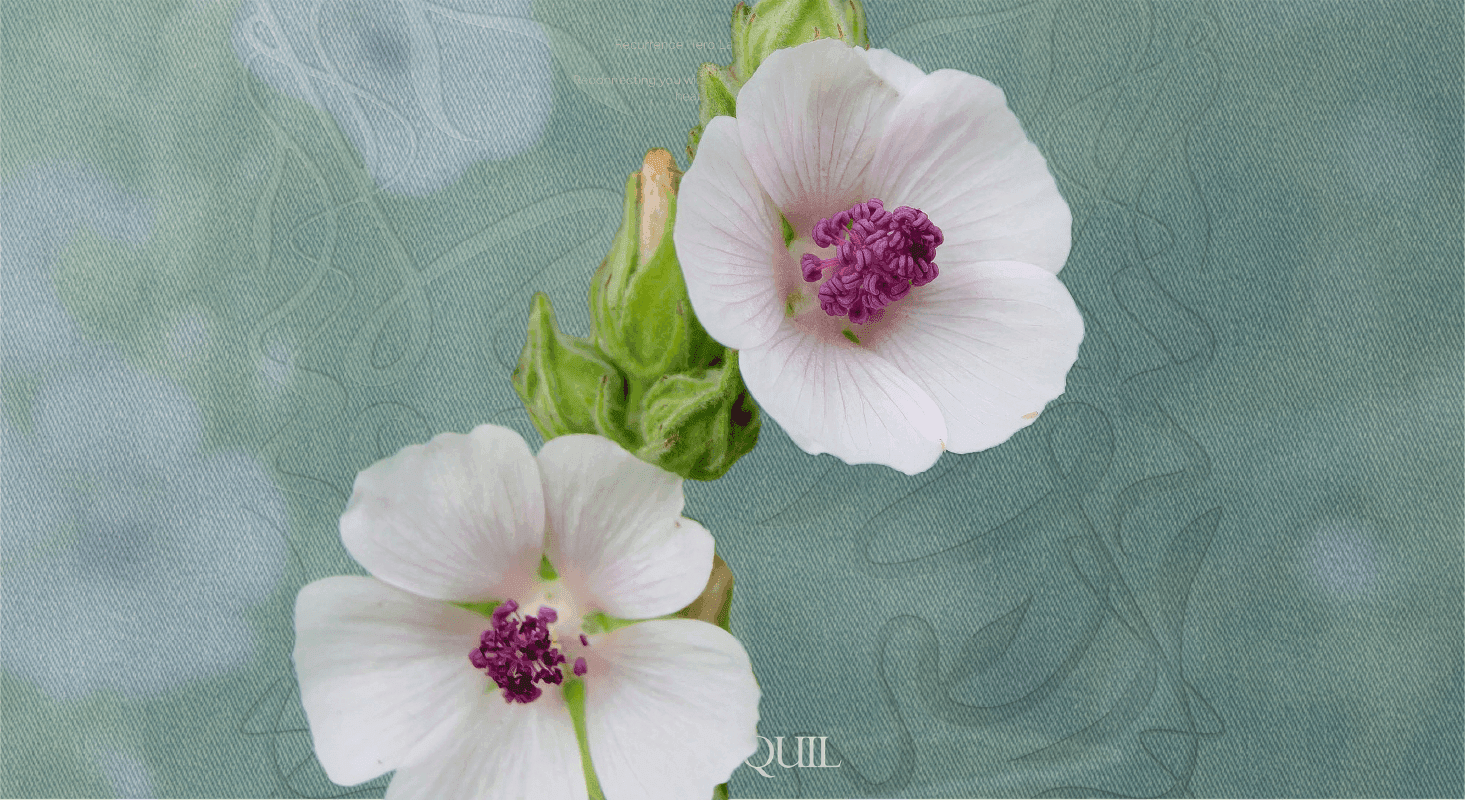
Among Europe's marshes and fields grows an herb known for its soft leaves, delicate flowers and long tradition of soothing use: marshmallow (scientific name: Althaea officinalis; English name: Marshmallow). Its dried roots carry the medical wisdom of ancient Greece and Rome and now attract the attention of modern scientists. In traditional cultures, marshmallow is believed to soothe body and mind, promote a sense of well-being and even offer a relaxed, natural experience. If you are looking for natural herbs to enrich your quality of life, or are curious about Europe's traditional plants, this article will take you deeper into marshmallow's secrets. From scientific research and constituent analysis to traditional applications and practical methods of use, it explores this natural treasure and offers practical suggestions for incorporating it into everyday life.
Introduction: discovering marshmallow's natural charm
Among Europe's marshes and fields grows an herb known for its soft leaves, delicate flowers and long tradition of soothing use: marshmallow (scientific name: Althaea officinalis; English name: Marshmallow). Its dried roots carry the medical wisdom of ancient Greece and Rome and now attract the attention of modern scientists. In traditional cultures, marshmallow is believed to soothe body and mind, promote a sense of well-being and even offer a relaxed, natural experience. If you are looking for natural herbs to enrich your quality of life, or are curious about Europe's traditional plants, this article will take you deeper into marshmallow's secrets. From scientific research and constituent analysis to traditional applications and practical methods of use, it explores this natural treasure and offers practical suggestions for incorporating it into everyday life.
What is marshmallow?
1. A basic botanical overview
Marshmallow is a perennial herb in the mallow family (Malvaceae), found mainly in moist areas of Europe, western Asia and North Africa. It can reach 1–2 metres in height, with finely hairy leaves and pale pink or white flowers that give off a fresh botanical scent. Its roots are rich in mucilage and are often used for tea or topical application after drying; their gentle nature makes them popular. The English name "Marshmallow" comes from the plant's preference for marshland (marsh). It shares a name with the modern confectionery but is entirely different.
2. A versatile role in tradition
Marshmallow has been used in Europe for centuries and is regarded as a natural resource for soothing body and mind. The ancient Greeks called it "althein" (to heal) and used it to soothe coughs, sore throats and digestive discomfort. In folk remedies, it was believed to bring a sense of relaxation; in the Middle Ages it even symbolised protection and nourishment and was occasionally used in rituals (Dalar et al., ResearchGate).
3. Its journey into the modern world
Today, advances in scientific research have brought marshmallow's potential beyond traditional herbal practice and into global view, making it a focus of interest for modern herb enthusiasts.
A scientific perspective: developments in marshmallow research
1. The soothing activity of marshmallow mucilage
According to Rezaei and colleagues' "Pharmacological Evaluation of Althaea officinalis Extracts", published on ResearchGate, marshmallow roots contain 20–35% mucilage (polysaccharides such as glucans). In vitro research has observed effects of this mucilage on certain inflammation-related factors, as well as coating properties that may support its traditional use for moistening mucous membranes.
2. Antioxidant and antibacterial properties
Oskay and colleagues' "Antioxidant and Antibacterial Properties of Althaea officinalis" describes flavonoids (such as quercetin) and phenolic compounds in its flowers and leaves. The flavonoids and phenolic compounds in its flowers and leaves showed antioxidant activity in in vitro experiments, and inhibition of Staphylococcus aureus was observed. This may indirectly support overall health.
3. Flavonoids and their potential for stress relief
In "Phytochemical Studies on Althaea officinalis" (ResearchGate), Ghasemi and colleagues note that marshmallow is rich in flavonoids, such as quercetin and kaempferol. Marshmallow is rich in flavonoids, such as quercetin and kaempferol. Scientific research, mainly in vitro and in animal models, is exploring the relationship between these compounds and the maintenance of normal bodily functions. For example, after a busy day, a cup of gentle marshmallow tea might offer a moment of calm and comfort, providing a natural option for everyday well-being. However, these observations still need to be confirmed by more human studies.
For example, after a busy working day, a cup of marshmallow tea might be a natural choice for soothing body and mind. Although its effects are mild, it offers a natural approach to everyday self-care. However, researchers emphasise that such effects are currently based largely on in vitro and animal models; further human trials are needed to verify their actual benefits.
4. Safety and drug interactions
Al-Snafi's "Potential Interactions of Althaea officinalis" found that mucilage may delay drug absorption and recommends allowing 1–2 hours between marshmallow and medicines, indicating that its safety needs careful evaluation.
These studies provide a scientific basis for marshmallow, but most remain at the in vitro or animal-experiment stage; it is not a substitute for medical care.
Constituent analysis: marshmallow's chemical secrets
Marshmallow's distinctive qualities are closely linked to its natural constituents:
Regulatory statement: under the requirements of Taiwan's Ministry of Health and Welfare, the benefits of these constituents must not be exaggerated. Traditional accounts are shared only as cultural information and are not a guarantee of medical effects.
- Mucilage | Mucilage: a core constituent that moistens and soothes mucous membranes, improving comfort.
- Flavonoids | Flavonoids: compounds such as quercetin have antioxidant properties and may help maintain health.
- Phenolic compounds | Phenols: in vitro studies have observed specific activity in certain constituents, which may help maintain health.
- Polysaccharides | Polysaccharides: form a coating and are traditionally used to soothe discomfort.
Traditional applications: everyday wisdom in European folk practice
In Europe, marshmallow is an integral part of traditional everyday life:
Although these traditional uses have not been comprehensively verified by modern medicine, they add to its cultural appeal.
- Soothing body and mind: in the Middle Ages, the roots were brewed as tea to moisten the throat and soothe throat discomfort.
- Digestive comfort: said to help maintain digestive tract function and provide a feeling of comfort.
- Skin healing; skin nourishment: traditionally applied topically to the skin for a soothing sensation.
- Ritual symbolism: used in the Middle Ages to symbolise protection and nourishment.
How to use marshmallow: a practical guide
Want to incorporate this European herb into your life? Try the following methods:
1. Preparing marshmallow tea:
2. Topical dressings:
3. Flower and leaf tea:
4. Tips for use:
- Method: soak 5–10 grams of dried root in 500 millilitres of cold water for several hours, then strain and drink.
- Taste: a mild botanical flavour; honey can be added for taste.
- Suggestion: start with a small dose on first use and observe your response.
- Method: boil the roots into a concentrated liquid and apply to minor burns or areas of skin irritation.
- Effect: soothes inflammation and promotes healing.
- Method: steep dried flowers or leaves in hot water as an everyday drink.
- Pregnant or breastfeeding women and people with chronic illnesses should consult a physician before use.
- Avoid excessive use to prevent discomfort.
Frequently asked questions about marshmallow
Q: Can marshmallow help soothe emotions?
A: Some studies suggest that constituents in marshmallow may help maintain calm in body and mind, but the effects are mild and vary between individuals. It is an option for everyday self-care rather than a direct stress-relieving agent. Related research is mostly preliminary and needs more scientific evidence.
Q: Can it be used every day?
A: Moderate amounts, such as 5–10 grams daily for tea, are generally safe. Intermittent use is recommended, with attention to your response.
Q: Where can I buy authentic marshmallow?
A: Choose a reputable supplier and ensure the product contains no additives. For example: Recurrence Herb Lab.
Why choose marshmallow?
- A completely natural source: grows in Europe's natural environment, without pesticide residues.
- Culture and science combined: carries traditional wisdom and offers research potential.
- Versatile applications: from soothing body and mind to skin care, it serves multiple purposes.
Conclusion: begin your marshmallow journey
Marshmallow (Althaea officinalis) is a nourishing treasure from nature. From its traditional use for soothing body and mind to scientific research into its mucilage and flavonoids, it shows many possibilities. Its gentle soothing effects and natural charm have made it a focus of interest for herb enthusiasts.
Want to experience its charm? Start with a cup of marshmallow tea, or use the raw material to care for your skin. You are welcome to share your experiences in the comments or subscribe to our blog to discover more herbal secrets!
Keywords: marshmallow, Althaea officinalis, mucilage, natural
Herbs, soothing body and mind, marshmallow tea, antioxidants