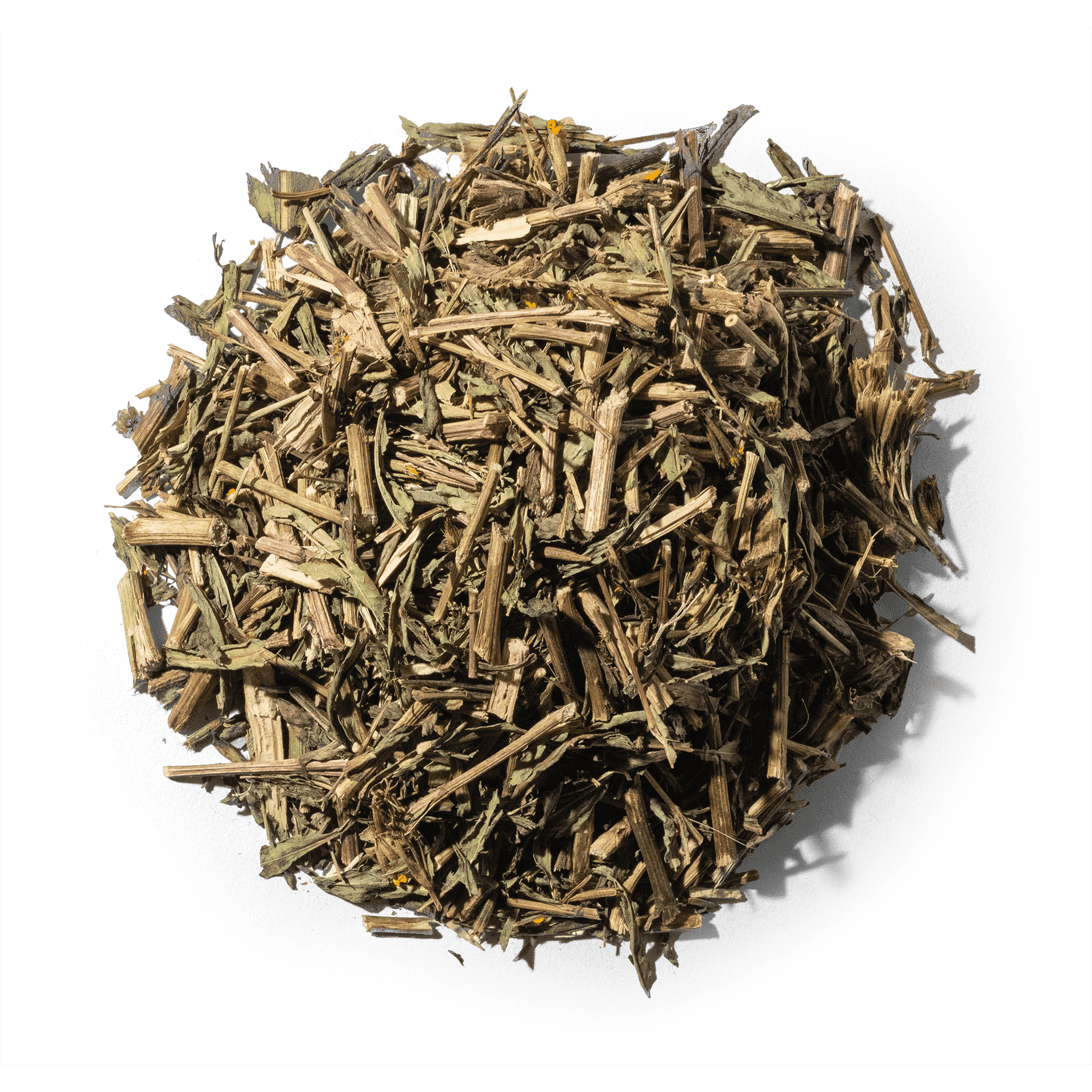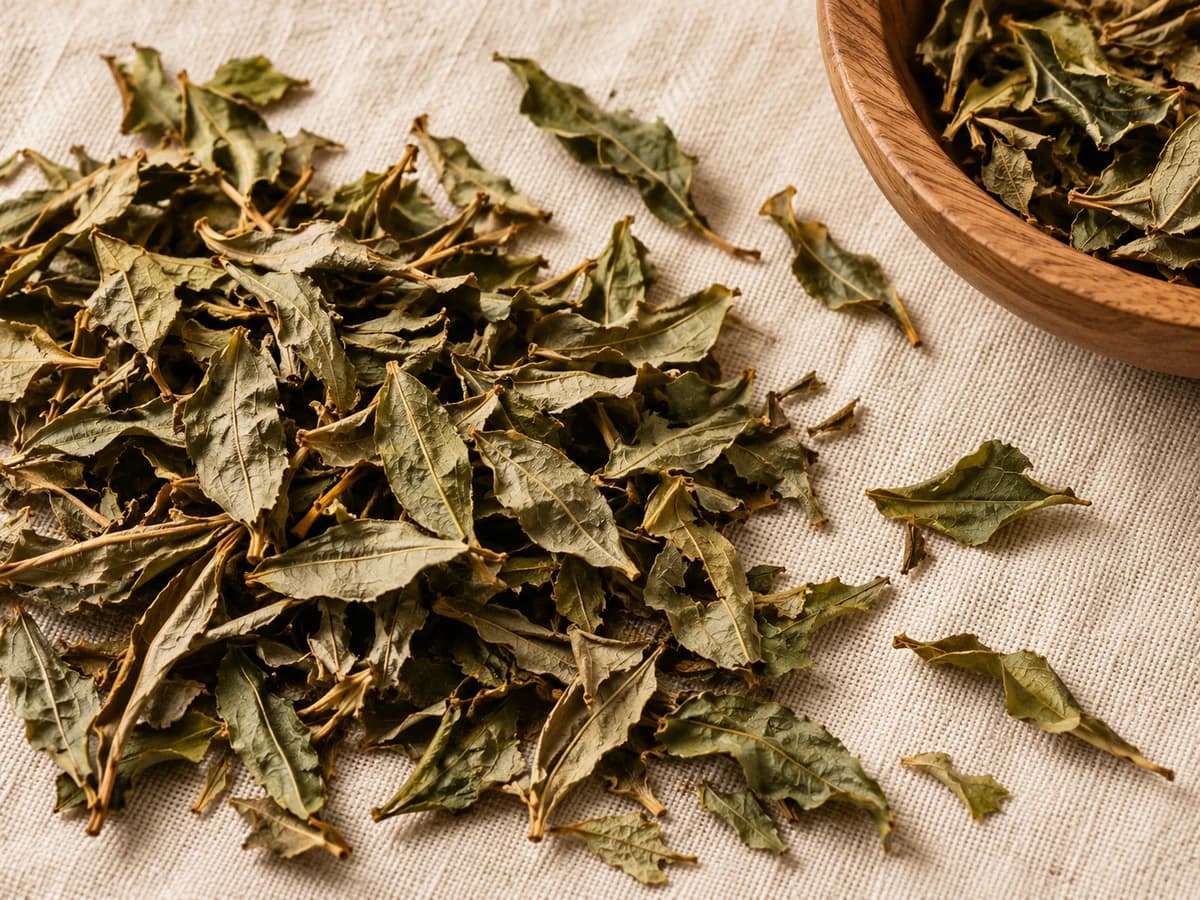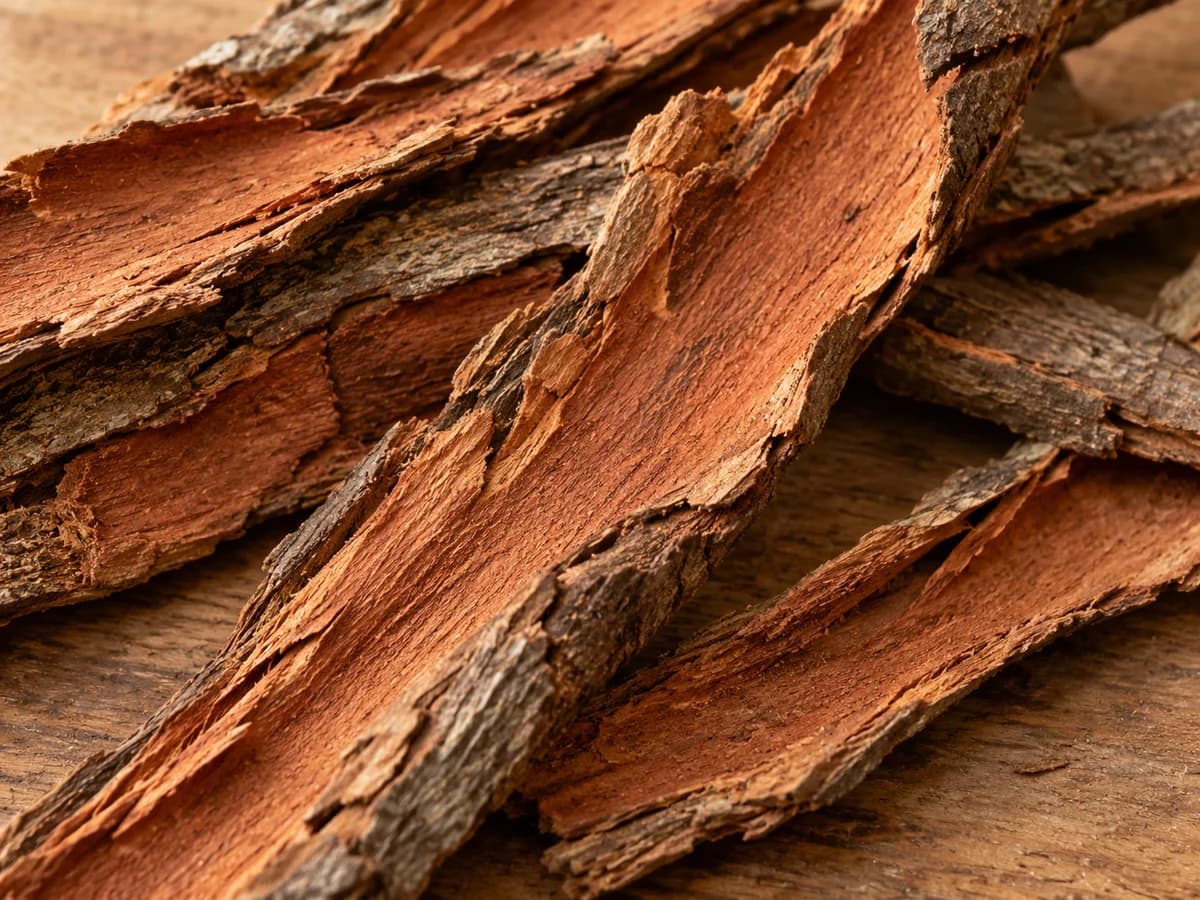
Mexican tarragon (scientific name: Tagetes Lucida) is a traditional herb native to Mexico and Central America. Historically, local communities have often brewed it as tea or used it for everyday wellbeing. Modern research continues to explore its chemical constituents and possible links with maintaining health. This article examines its botanical features, traditional culture, chemical constituents, physiological support and modern applications to introduce the potential value of this natural resource.
Part one: botanical features and growing conditions
- Growth habit and height: Mexican tarragon is an herbaceous plant that can be annual or perennial, reaching approximately 30–80 centimetres in height.
- Leaves and inflorescences: Its leaves are often pinnately divided and naturally aromatic. Its flowers are mainly yellow or orange-yellow; although flowering is brief, their distinctive appearance attracts attention.
- Native range: Mainly Mexico, Central America and parts of the Caribbean.
- Adaptability: It favours abundant sunshine and good drainage, tolerates drought and heat well, and commonly grows in grasslands, along roadsides and at the edges of farmland.
Part two: traditional culture and uses
- Everyday wellbeing: Local people traditionally brew the leaves or flowers of Mexican tarragon as an everyday tea. They believe it helps maintain digestive tract function and provides comfort after meals.
- Ceremonial uses: In some Indigenous ceremonies, the plant is also used to create a cleansing, contemplative setting. Its aroma is believed to evoke pleasant feelings and a peaceful atmosphere.
- Sharing knowledge: In recent years, scientists have investigated its constituents using various experimental methods. Most studies remain at a preliminary laboratory stage, but this work offers directions for understanding possible links with maintaining health.
Main active constituents
Coumarin compounds (Coumarins): Studies have isolated several coumarins using GC/MS and thin-layer chromatography. Scientific research indicates that the plant contains a range of coumarin compounds whose properties are being explored further:
Flavonoids and natural antioxidants: Mexican tarragon contains various flavonoid compounds. Mexican tarragon contains various flavonoid compounds; these natural constituents typically have antioxidant properties, and effects that help neutralise free radicals have been observed in in vitro experiments.
Amino acids and primary metabolites: GC/MS has also identified the plant as rich in essential amino acids such as L-proline, L-isoleucine and L-aspartic acid. These constituents are basic substances needed for normal metabolism, helping provide nutrition and maintain health.
- Herniarin: Also known as 7-methoxycoumarin, it may help regulate cellular signalling.
- Dimethylfraxetin: Methylation of its molecular structure helps increase lipid solubility and may facilitate passage through cell membranes.
- 7‑Isoprenyloxycoumarin: Its isoprenyl substitution may aid binding to cellular receptors and support cell function.
- Scoparone: Known to have antioxidant properties that help maintain cellular health.
Physiological support and research findings
Nervous system support: In some preliminary animal-model studies, scientists observed that Mexican tarragon extracts may affect certain physiological indicators in experimental animals, including changes in substances related to neurotransmission and the expression of particular cytokines. These are observations from laboratory animal experiments only. Their significance in humans and mechanisms of action remain unclear; they cannot be equated with effects in humans and are not for diagnosing or treating any disease.
Digestive comfort and balanced muscle tone: Some preclinical studies have observed that aqueous extracts may affect the condition of gastrointestinal smooth muscle. Traditionally, drinks made from such herbs are sometimes used to help maintain digestive tract function and provide comfort.
Antioxidant activity and cellular protection: Research has also found that certain constituents of Mexican tarragon show antioxidant properties in in vitro experiments. Scientists continue to investigate possible links between these properties and maintaining health.
Soothing support: Recent laboratory research is exploring the properties of its coumarin constituents. These studies are still at a very early stage; their mechanisms and effects in humans require more scientific evidence.
Most of the findings above are from laboratory research. They are provided for reference and do not represent effects in humans.
Part four: modern applications and future prospects
1. Products for health maintenance and everyday wellbeing
2. Continuing research directions
- Exploring natural herbal applications: Its distinctive constituents and history of traditional use make Mexican tarragon extracts worth studying further in the natural herbal field. Future research may explore their use in everyday wellness drinks or nourishing products to help maintain digestive tract function or as a natural source of nutrition.
- Product development: Further clinical research could clarify its value for use in humans and help advance product standardisation and lawful market availability.
- Investigating mechanisms: Detailed research into how each active constituent works at the cellular level could broaden its applications in natural health products.
- Quality control and standardisation: Rigorous extraction and quality monitoring processes that ensure product consistency and regulatory compliance are key to market development.
Closing Thoughts
With its wealth of natural constituents, Mexican tarragon (Tagetes lucida) shows potential for supporting health in both traditional uses and modern research.
Its traditional use to help maintain digestive tract function and provide comfort, together with properties of its constituents observed in laboratories, offers directions for further exploration of everyday health applications.
Although many studies remain preliminary, further research and quality standardisation make its future applications in natural health products promising.