Bay Bean

Canavalia maritima

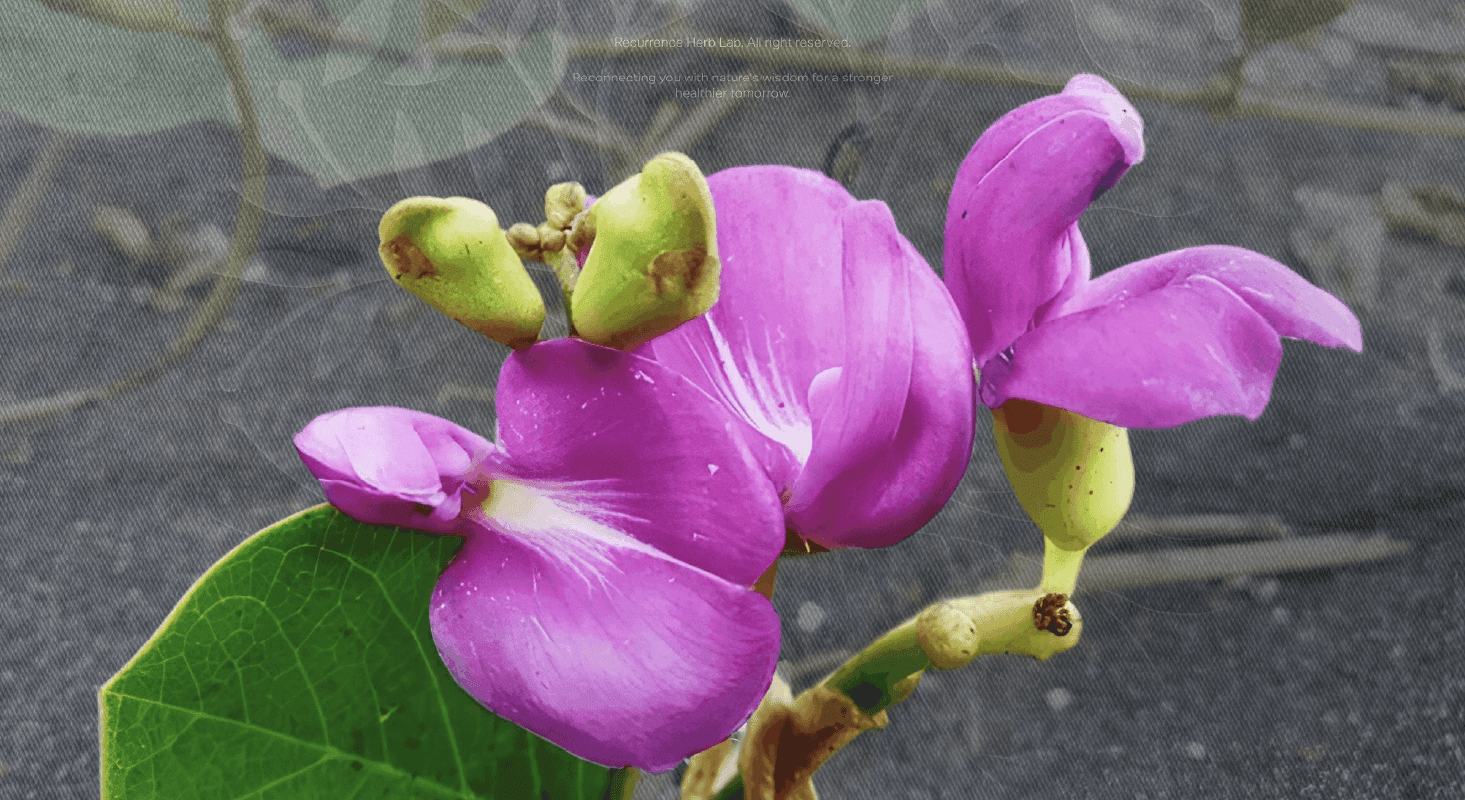
What is bay bean? Bay bean (scientific name: Canavalia maritima), also known as sea bean, is a legume that grows along tropical and subtropical coasts. Known for its salt tolerance and ability to grow under adverse conditions, it is widely distributed on beaches and in coastal woodlands in the Americas, Asia and Africa. Traditionally, local inhabitants have used its seeds and leaves for various purposes, including food ingredients, brewed herbal drinks and, in certain cultures, ritual herbal ingredients. The main compounds of bay bean and bio

Bay Bean

What is bay bean? Bay bean (scientific name: Canavalia maritima), also known as sea bean, is a legume that grows along tropical and subtropical coasts. Known for its salt tolerance and ability to grow under adverse conditions, it is widely distributed on beaches and in coastal woodlands in the Americas, Asia and Africa. Traditionally, local inhabitants have used its seeds and leaves for various purposes, including food ingredients, brewed herbal drinks and, in certain cultures, ritual herbal ingredients. The main compounds of bay bean and bio

Modern research indicates that bay bean is rich in various phytochemicals, including:

  • Flavonoids (Flavonoids): have antioxidant properties and may help maintain cellular health.
  • Alkaloids (Alkaloids): include the recently discovered Canarosine, which may affect mechanisms of neural regulation.
  • Phenolic compounds (Phenolic compounds): have shown potential antioxidant and anti-inflammatory activity in animal experiments.

Latest research findings

According to the study Canarosine: A new guanidine alkaloid from Canavalia rosea, Canarosine is a new guanidine alkaloid isolated from bay bean. It has inhibitory activity against the D1 dopamine receptor D1R (D1 dopamine receptor) and may affect neurotransmission mechanisms.

Bay bean has also been used by local communities in Mexico in herbal products and is considered a substitute for other herbs in certain cultures.

Herbal tobacco products: bay bean leaves and seeds have been used in hand-rolled herbal products in some traditional cultures.

  • Method of use: crush the dried leaves and mix them with other herbs, such as mint or lavender, to make hand-rolled tobacco.
  • Aroma and experience: has a subtle bean-like and herbal scent and can be combined with other natural ingredients.

Herbal fragrance and smouldering: in some traditional therapies, bay bean leaves are burned with other plants to create a particular aromatic environment.

  • Application: dried leaves can be used as incense material, together with aromatic plants such as sandalwood or rosemary.

Tea and nutritional supplementation: bay bean seeds and leaves have been used to make tea in traditional cultures.

  • Preparation: steep 1-2 teaspoons of dried leaves in hot water for 10-15 minutes.
  • Flavour: has a delicate bean-like aroma and pairs well with honey or lemon.

Although bay bean has various traditional applications, the following precautions still apply when using it:

  • Moderate use: use an appropriate amount according to individual needs and avoid excessive intake.
  • Caution for pregnant people and specific groups: people who are pregnant, breastfeeding or have particular health conditions should use it under professional guidance.
  • Avoid medicine interactions: if taking other medicines, consult a healthcare professional first to avoid possible interactions.
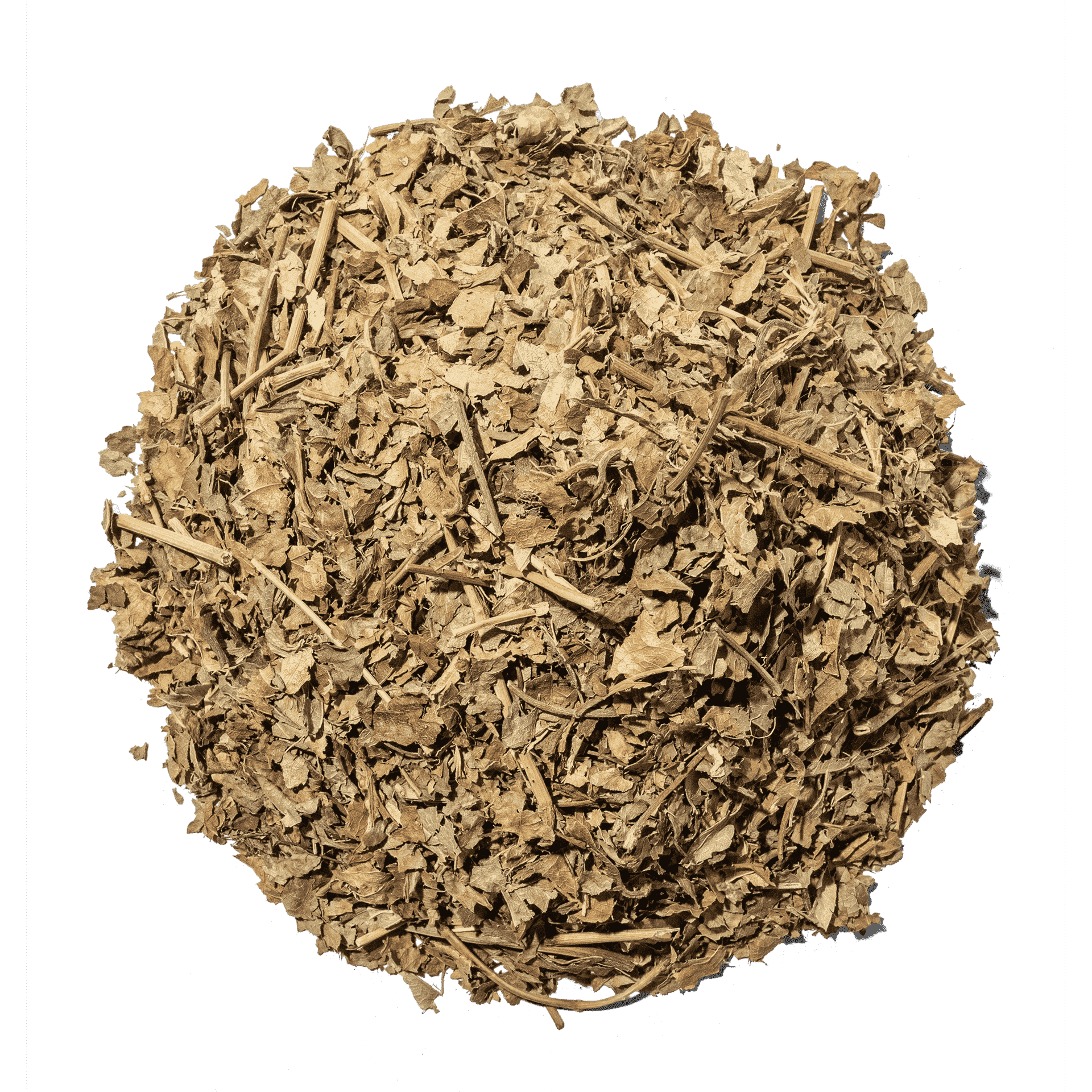
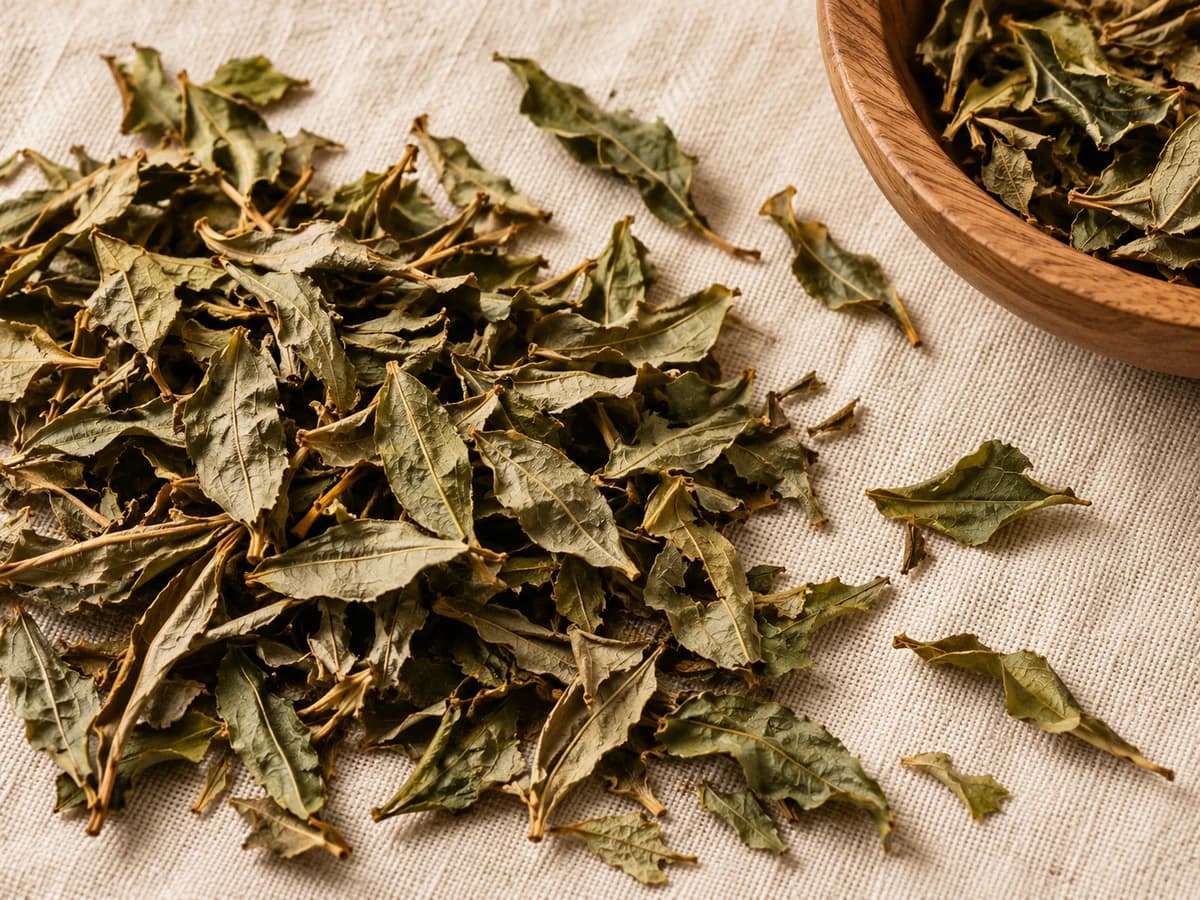
Bay bean contains abundant bioactive compounds and can be part of hand-rolled herbal smoking blends, aromatic smouldering or herbal tea, offering a distinctive natural fragrance experience. Combining it with other herbs also attracts interest from herbal enthusiasts.

Bay Bean

Bay Bean

Canavalia maritima

5g per portion

—Contact us for specifications and availability
References
  1. 2005 - Nutritional and protein quality evaluation of thermally treated seeds of Canavalia maritima in the rat - Seena Sahadevan, K. R. Sridhar, Saraf R. Ramesh
  2. 2005 - Biochemical and biological evaluation of an unconventional legume, Canavalia maritima of coastal sand dunes of India - Seena Sahadevan, K. R. Sridhar, Bhagya Balakrishna Sharma
  3. 2008 - Phytochemical and pharmacological properties of Canavalia maritima
  4. 2014 - Canarosine: A new guanidine alkaloid from Canavalia maritima
  5. 2016 - The role of Canavalia maritima in traditional medicine and its potential biological activities
  6. 2018 - Antioxidant and antimicrobial activities of Canavalia maritima seed extracts
  7. 2019 - Phytochemical analysis and bioactive compounds in Canavalia maritima
  8. 2020 - Potential use of Canavalia maritima in functional food and nutraceuticals
  9. 2021 - Neuroprotective properties of Canavalia maritima: A review
  10. 2021 - Evaluation of Canavalia maritima extracts for potential anticancer activity
  11. 2023 - Gastrointestinal effects of Canavalia maritima in animal models12. 2023 - Comparative study on the bioavailability of Canavalia maritima compounds
  12. 2024 - Recent advances in the study of Canavalia maritima and its therapeutic applications
Disclaimer

All content on this website has been reorganized and written using publicly available academic research, historical literature and online information. It is provided for reference and general knowledge sharing only and does not constitute medical advice, diagnosis or treatment.

Consult a professional: if you have any health concerns, seek professional advice from a qualified healthcare professional or pharmacist.

Use with caution in specific groups: This product is not suitable for pregnant or breastfeeding women, children or people with mental health conditions. If you have a particular health condition, consult a professional before deciding whether to use it.

Individual experiences vary: responses to herbs may differ between individuals. Use moderate quantities according to your own circumstances.

Regulatory compliance statement: this product and content are not intended for medical use and do not claim to diagnose, treat or prevent any disease. Users should ensure compliance with local regulations and assume the risks associated with use.

Please make informed purchasing and usage decisions and take responsibility for your health!

View all articles →

Herbal knowledge

Radula Marginata

Radula marginata

Māori liverwort, Wairuakohu (Radula marginata), is a hidden herbal treasure from the Māori regions of New Zealand. Explore its history, active compounds and herbal applications, and experience the pure power of nature.